
Revolutionizing Heart Care: Advances in TAVI, TEER, and Mitral Valve Therapies
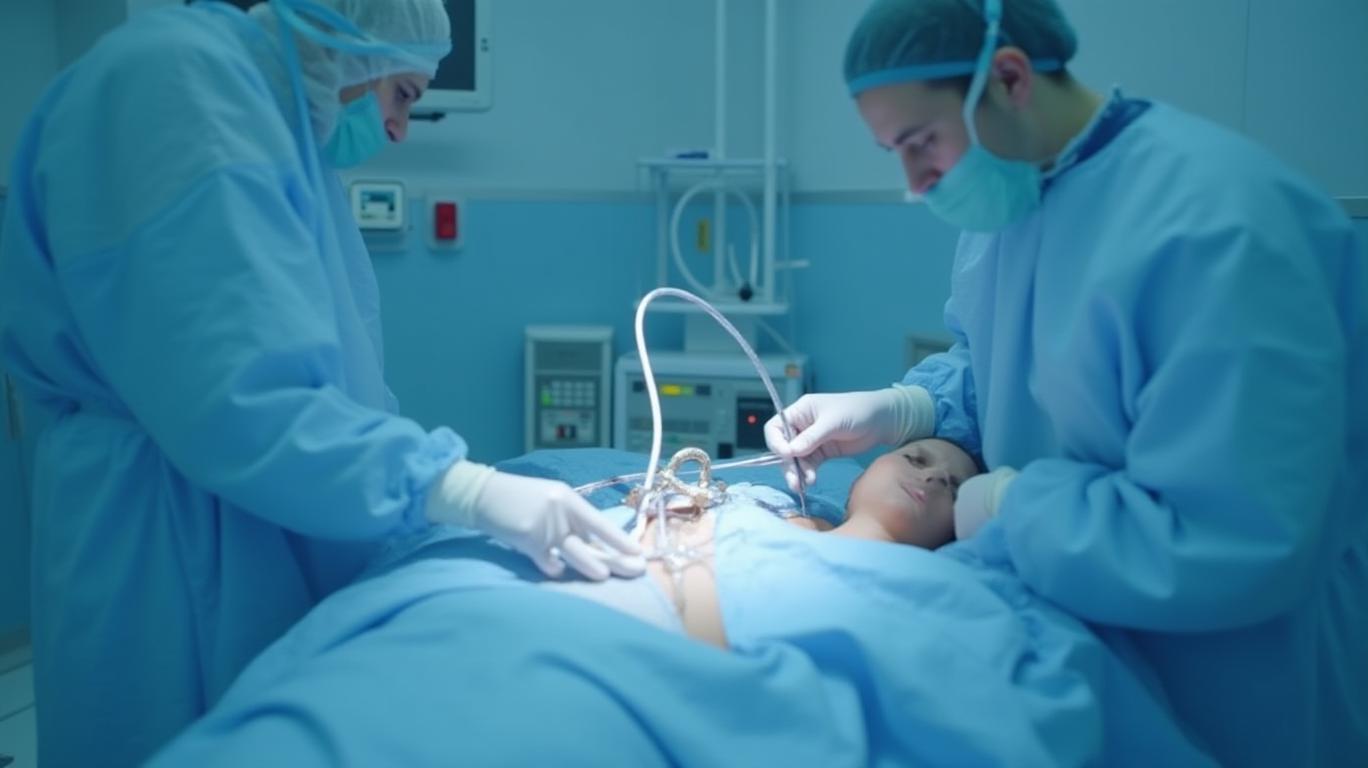
Cardiovascular medicine has seen significant advancements in recent years, transforming how heart diseases are diagnosed and treated. Innovations in cardiac interventional care have led to less invasive and more effective options for patients with structural heart disease and coronary artery disease. TAVI has revolutionized the treatment of aortic stenosis, a condition where the aortic valve becomes narrowed. This minimally invasive procedure involves inserting a new valve through a catheter, significantly improving blood flow and reducing symptoms. New-generation TAVI valves have enhanced sealing and positioning systems, and AI is being integrated into imaging and navigation systems to assist in planning and executing procedures with higher accuracy.
Cardiovascular medicine has experienced remarkable advancements in recent years, transforming the way heart diseases are diagnosed and treated. These innovations have led to less invasive and more effective options for patients with structural heart disease and coronary artery disease. One such groundbreaking development is Transcatheter Aortic Valve Implantation (TAVI), which has revolutionized the treatment of aortic stenosis [1].Aortic stenosis is a condition where the aortic valve becomes narrowed, leading to reduced blood flow and symptoms such as chest pain, shortness of breath, and fatigue. Traditional treatments for this condition involved open-heart surgery, which is invasive and carries significant risks. TAVI, however, is a minimally invasive procedure that involves inserting a new valve through a catheter, significantly improving blood flow and reducing symptoms [1].
New-generation TAVI valves have enhanced sealing and positioning systems, ensuring better outcomes for patients [2]. Moreover, Artificial Intelligence (AI) is being integrated into imaging and navigation systems to assist in planning and executing procedures with higher accuracy [3]. This integration enables healthcare professionals to make more informed decisions, leading to improved patient outcomes and reduced complications.
The American Heart Association (AHA) predicts that cardiovascular diseases, including coronary heart disease, heart failure, atrial fibrillation, and stroke, are the most common causes of death in the U.S. [1]. After decades of reducing cardiovascular and stroke-associated death and disease, the trend has reversed, and prevalence has begun rising again. By 2050, cardiovascular disease is expected to affect up to 45 million U.S. adults, and stroke prevalence is predicted to double [1]. Obesity, a major risk factor for cardiovascular disease, is predicted to climb from 43% of the population to more than 60% [1].
These findings serve as a call to arms, highlighting the need to better control risk factors and prevent the oncoming tsunami of cardiovascular disease. Innovations like TAVI and AI integration offer promising solutions, providing less invasive and more effective treatment options for patients and enabling healthcare professionals to make more informed decisions.
References:
[1] American Heart Association. (2024). AHA names biggest advances in cardiovascular research for 2024. https://www.heart.org/en/around-the-aha/aha-names-biggest-advances-in-cardiovascular-research-for-2024
[2] Edwards Lifesciences. (2024). Sapien 3 Transcatheter Heart Valve. https://www.edwards.com/en/health-professionals/products/cardiology/transcatheter-heart-valves/sapien-3-transcatheter-heart-valve.html
[3] Medtronic. (2024). Intuition M300 MRI Guided Cardiac Navigation System. https://www.medtronic.com/us-en/healthcare-professionals/products/cardiac-rhythm-and-heart-failure/electrophysiology/intuition-m300.html




Comentarios
Aún no hay comentarios