
Reviving Brands, Rekindling Loyalty: The Nostalgia-Driven Renaissance in CPG
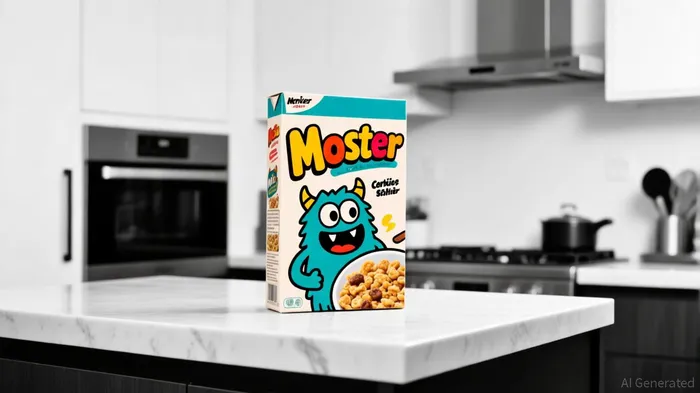
In an era of rapid innovation and fleeting consumer attention, the Consumer Packaged Goods (CPG) sector has unearthed a timeless strategy: nostalgia-driven marketing. By rekindling emotional connections to the past, brands are not only revitalizing their identities but also unlocking measurable financial gains. From General Mills' limited-edition Monster Cereals to Coca-Cola's cheeky revival of New Coke, nostalgia has become a cornerstone of brand resilience. This article examines how nostalgia and limited-edition product launches are reshaping CPG's competitive landscape—and why investors should take notice.
The Nostalgia Effect: Emotional Resonance as a Strategic Tool
Nostalgia marketing taps into the brain's reward system, activating regions linked to memory and emotional stability; a Harvard study Nostalgia Marketing found this strategy fosters a sense of belonging, a critical factor in an uncertain world. For CPG brands, this translates into heightened consumer loyalty. General Mills' collaboration with KAWS to revive 1970s Monster Cereals, for instance, drove a 22% increase in sales for the product line in 2024, according to Magnetic Creative. Similarly, Oreo's S'mores and Birthday Cake flavors, which evoke childhood memories, saw a 16% sales lift in 2023, per Amra & Elma.
The data is compelling: a Drum survey found 75% of consumers are more likely to purchase when ads evoke nostalgia, and 90s-themed campaigns have driven a 30% surge in social media engagement, according to the same Amra & Elma analysis. These figures underscore nostalgia's power to cut through market noise. As Kantar notes, nostalgic packaging alone can boost sales by 16%, a testament to the enduring allure of the past.
Limited-Edition Launches: Scarcity as a Catalyst for Growth
Complementing nostalgia is the strategic use of limited-edition products, which leverage scarcity to drive urgency and exclusivity. Pepsi and Peeps' marshmallow cola, for example, generated viral buzz and resold for hundreds of dollars on secondary markets, according to an SFGate post. Limited-edition campaigns also serve as innovation labs: M&M's Caramel Cold Brew, initially a seasonal offering, became a permanent product after strong consumer demand, per a Circana report.
From an investor perspective, these launches offer dual benefits. They test market viability at lower risk while amplifying brand visibility. The EY report highlights that 35% of consumers now prioritize novelty over brand loyalty, making limited-edition strategies essential for retaining relevance. Financially, the sector has seen a 14.8% compound annual growth rate in limited-edition product activity since 2020, according to Innova Market Insights, outpacing broader CPG trends.
Investor Implications: Balancing Sentiment and Strategy
The financial impact of nostalgia and limited-edition campaigns is not just anecdotal. Mondelez International's Cadbury Creme Egg, priced at a premium due to its nostalgic appeal, has consistently outperformed standard chocolate lines, according to a Method1 analysis. Meanwhile, LEGO's revival of Star Wars and Ghostbusters sets has transformed the brand into a global leader, with nostalgic product lines contributing to a 24% increase in repeat purchases, as noted by Loyalty and Customers.
Investors should also note the psychological underpinnings of these strategies. Kantar observes that 92% of consumers find nostalgic ads relatable, yet only 3% of brands execute them effectively—this gap represents a significant opportunity for CPG firms that can balance sentiment with innovation. For example, Coca-Cola's New Coke revival, framed as a humorous nod to its 1980s misstep, reinforced the brand's self-awareness and relatability.
The Road Ahead: Sustaining the Nostalgia Momentum
While nostalgia and limited-edition products offer clear advantages, their success hinges on execution. Brands must avoid over-saturation and ensure that campaigns align with core values. For instance, LEGO's success lies in its ability to blend nostalgia with modern design, appealing to both older collectors and younger consumers, as Loyalty and Customers reports.
Moreover, the rise of Gen Alpha and Gen Z—digital natives with a unique relationship to the past—demands creative reinterpretations of nostalgia. Brands like LEGO and Oreo are already experimenting with hybrid campaigns that merge retro aesthetics with AR and social media, as seen in Pizza Hut's Pac-Man-themed pizza boxes, described in a BrandsPurng article.
Conclusion: A Win-Win for Brands and Investors
Nostalgia-driven marketing and limited-edition launches are more than fleeting trends—they are strategic imperatives for CPG brands navigating a fragmented market. By leveraging emotional storytelling and scarcity, companies can drive both engagement and profitability. For investors, these strategies offer a clear path to value creation: brands that master the art of nostalgia will not only secure loyal customers but also outperform peers in an increasingly competitive landscape.
As the CPG sector evolves, one truth remains: the past is not just a memory—it's a marketing goldmine.







Comentarios
Aún no hay comentarios