
Revival of Keystone XL: Strategic Implications for Energy Stocks and Infrastructure Investment in North America
The potential revival of the Keystone XL pipeline has emerged as a pivotal focal point for energy investors and policymakers in North America. As of October 2025, discussions between Canadian Prime Minister Mark Carney and U.S. President Donald Trump have reignited interest in the project, which could serve as a bargaining chip in resolving trade disputes over 50% U.S. tariffs on Canadian steel and aluminum, according to Reuters. This development underscores the interplay of geopolitical strategy and regulatory shifts under Trump's energy policies, which prioritize "energy dominance" and expedited infrastructure approvals. For energy stocks and infrastructure investors, the pipeline's revival presents both opportunities and risks, shaped by political volatility, environmental opposition, and the broader energy transition.
Geopolitical Tailwinds: U.S.-Canada Relations and Energy Leverage
The Keystone XL pipeline has long been a symbol of the complex U.S.-Canada energy relationship. Its revival is now entangled in trade negotiations, with Carney reportedly framing it as a potential solution to ease tensions over tariffs, a Morningstar report says. Trump's public endorsement of the project-coupled with his February 2025 call for "easy approvals" and an "almost immediate start"-signals a strategic alignment with Alberta's economic interests, a CBC article reports. Alberta Premier Danielle Smith has emphasized the pipeline's role in securing Canadian oil exports and creating jobs, framing it as a "strategic necessity" for the province's energy sector, iPolitics reports.
However, the project's geopolitical utility is tempered by Trump's broader rhetoric, including his recent threats to make Canada the "51st state," according to Geopolitical Futures. Such statements introduce uncertainty about the long-term stability of cross-border energy partnerships, complicating investment decisions for companies like TC EnergyTRP-- and EnbridgeENB--, which have historically championed the pipeline, Reuters reported.
Regulatory Shifts: Streamlining Approvals or Political Gamble?
Trump's 2025 energy policies have prioritized deregulation, with executive orders rolling back Biden-era climate mandates and streamlining infrastructure permitting, a U.S. News analysis says. These changes aim to fast-track projects like Keystone XL by reducing bureaucratic hurdles, though the pipeline's lack of a current proponent and expired permits remain significant obstacles, as noted in a CBC article. The Trump administration's "zero-based regulation" approach-requiring existing energy regulations to be reviewed or expire within one year-further tilts the regulatory landscape in favor of fossil fuel development, as the White House fact sheet explains.
For infrastructure investors, this regulatory environment offers short-term optimism but raises concerns about long-term viability. As Global News reports, industry analysts say the pipeline's revival would require a "bulletproof shield" against future cancellations to attract capital. The recent dismissal of TC Energy's $15 billion NAFTA claim for the Biden-era permit revocation highlights the financial risks of politically sensitive projects, BNN Bloomberg reported.
Energy Stocks and Infrastructure Returns: A Mixed Outlook
The potential revival of Keystone XL has sparked renewed interest in energy stocks tied to cross-border infrastructure. Companies like TC Energy, Enbridge, and Suncor EnergySU-- could benefit from increased throughput and export capacity if the pipeline moves forward, a Visionary Data report says. In Q3 2025, energy stocks have shown resilience, with refiners and midstream operators outperforming broader markets due to strong LNG demand and global shipping rates, a Forbes analysis noted.
Yet investor sentiment remains cautious. While Trump's policies have reduced regulatory burdens, the long-term economic case for fossil fuels is increasingly challenged by the rise of renewables and carbon pricing mechanisms, Fidelity notes. Alberta's $1.5 billion equity investment in the pipeline underscores regional economic stakes, but national and international investors are wary of aligning with projects that may clash with decarbonization goals, as reported in a CBC article.
Strategic Implications and the Road Ahead
The Keystone XL revival exemplifies the tension between geopolitical pragmatism and the energy transition. For investors, the project's success hinges on three factors:
1. Political Stability: The durability of Trump's regulatory framework and its resistance to future administrations.
2. Environmental and Social Risks: Opposition from Indigenous groups and climate activists could delay or derail the project, NRDC explains.
3. Market Viability: The economic competitiveness of oil sands crude in a world increasingly favoring renewables, according to Deloitte analysis.
While the pipeline's revival could provide a short-term boost to energy stocks, its long-term returns will depend on broader trends in energy policy and global demand. For now, the project remains a high-stakes bet on Trump's vision of energy dominance-a vision that may clash with the realities of a decarbonizing economy. 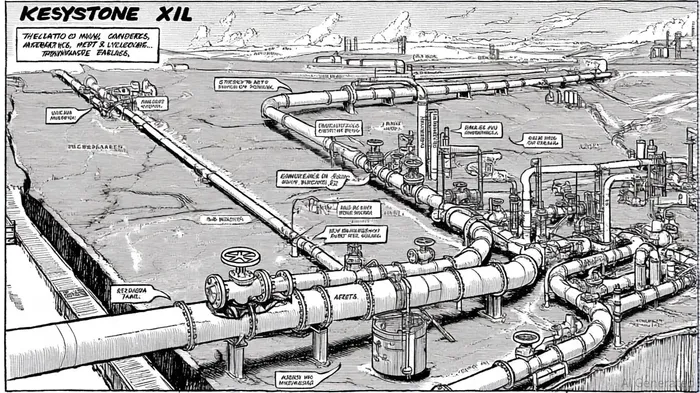





Comentarios
Aún no hay comentarios