
Revealing the True ROI of Residential Real Estate
The Breakdown of Hidden Costs
Maintenance alone accounts for nearly two-thirds of these hidden costs, with the average homeowner shelling out $10,946 per year. This figure reflects the growing challenges of aging housing stock and the rising cost of labor. Property taxes add another $3,030 annually, while homeowner's insurance, which has increased by 48% since February 2020, costs $2,003 per year. In cities like Miami and Sacramento, insurance premiums have spiked by over 50% since 2019, compounding financial strain.
HOA fees, often overlooked, further diminish returns. The average monthly fee of $291 ($3,500 annually) is set to rise in 2025, with 71% of HOA boards planning increases of 10–25% to cover rising insurance and management costs. These fees disproportionately affect lower-income households, as only 27% of those earning under $50,000 reside in HOA communities.
The Impact on Net Returns
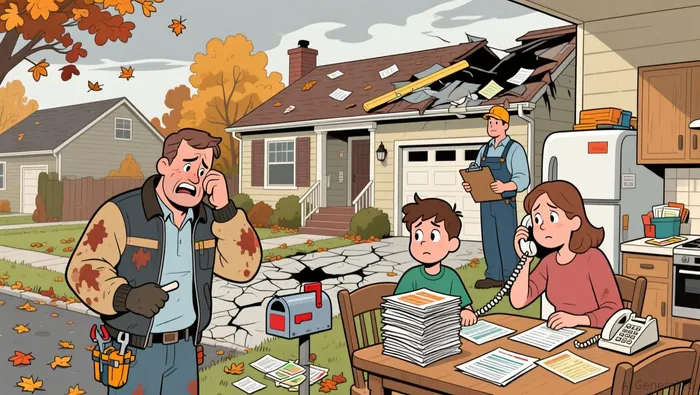
The cumulative effect of these costs is a significant drag on real estate861080-- ROI. Bankrate's 2025 Hidden Costs of Homeownership Study estimates the average annual hidden costs at $21,400, with Hawaii leading at $34,573 and West Virginia the lowest at $12,579. These costs, which include utilities861079--, internet, and cable, have outpaced income growth-household incomes rose just 3.8% over the past year. As home values climb, so do property taxes and insurance premiums, creating a feedback loop that strains budgets and reduces net returns. For instance, older homes often require costly renovations, further eroding profitability.
Mitigating the Hidden Burden
Prospective buyers must adopt a more strategic approach. Opting for smaller homes or condos can reduce maintenance costs, while new construction often requires fewer repairs in the short term. In markets where HOA fees are rising, buyers should weigh the trade-offs between community amenities and financial flexibility. For investors, prioritizing locations with stable insurance rates and lower tax burdens-such as West Virginia-can preserve returns.
Conclusion
The 2025 data paints a sobering picture: real estate's ROI is far less favorable when hidden costs are factored in. As these expenses continue to rise, buyers and investors must recalibrate their expectations. The path to a sound real estate investment lies not in chasing appreciation alone, but in meticulously accounting for the full spectrum of costs that define homeownership in the modern era.







Comentarios
Aún no hay comentarios