
Returns On Capital Signal Difficult Times Ahead For TriMas (NASDAQ:TRS)
Generado por agente de IAJulian West
domingo, 2 de marzo de 2025, 9:45 am ET1 min de lectura
TRS--
TriMas Corporation (NASDAQ:TRS), a global manufacturer and provider of products for customers primarily in the consumer products, aerospace, and industrial markets, has been facing challenges in its capital efficiency and profitability. The company's return on capital employed (ROCE) has been declining, raising concerns about its future growth and profitability. In this article, we will analyze TriMas' ROCE, its primary drivers, and the implications of its capital expenditure (CapEx) strategy for its future prospects.
TriMas' Return on Capital Employed (ROCE) and Its Primary Drivers
TriMas' ROCE for the last 12 months was 3.99%, which is lower than its historical averages and the industry average. This indicates that TriMasTRS-- is not effectively utilizing its capital to generate returns, or that the industry is experiencing higher capital efficiency overall. To improve its ROCE, TriMas should focus on increasing its operating margin and revenue growth, maintaining a balanced capital structure, and improving its asset turnover.
Capital Expenditure (CapEx) and Future Growth and Profitability
TriMas' CapEx as a percentage of revenue is lower than its peers, which may have implications for its future growth and profitability. A lower CapEx % of Revenue could indicate that TriMas is not investing as much in new technologies, facilities, or product development as its peers, leading to slower growth in the future. However, it could also indicate that TriMas is more efficient in its operations and has a better handle on its costs, leading to higher profitability. TriMas should aim to find the right balance between investing in growth and maintaining profitability.
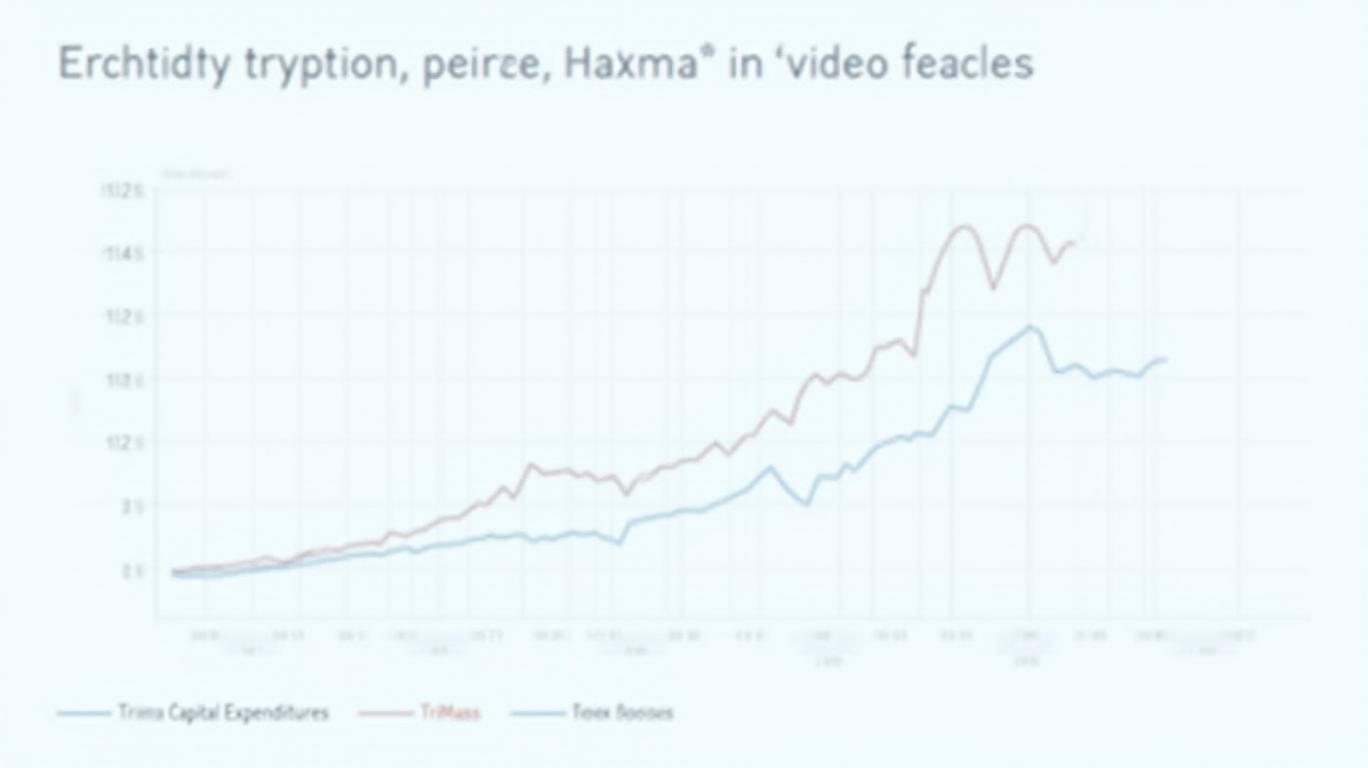
In conclusion, TriMas' declining ROCE and lower CapEx % of Revenue compared to its peers raise concerns about its future growth and profitability. The company should focus on improving its operating margin, revenue growth, asset turnover, and capital structure to enhance its capital efficiency. Additionally, TriMas should consider its capital expenditure strategy to balance growth and profitability while keeping an eye on industry trends and competitors' investments. By addressing these issues, TriMas can work towards creating value for shareholders and navigating the challenging times ahead.
TriMas Corporation (NASDAQ:TRS), a global manufacturer and provider of products for customers primarily in the consumer products, aerospace, and industrial markets, has been facing challenges in its capital efficiency and profitability. The company's return on capital employed (ROCE) has been declining, raising concerns about its future growth and profitability. In this article, we will analyze TriMas' ROCE, its primary drivers, and the implications of its capital expenditure (CapEx) strategy for its future prospects.
TriMas' Return on Capital Employed (ROCE) and Its Primary Drivers
TriMas' ROCE for the last 12 months was 3.99%, which is lower than its historical averages and the industry average. This indicates that TriMasTRS-- is not effectively utilizing its capital to generate returns, or that the industry is experiencing higher capital efficiency overall. To improve its ROCE, TriMas should focus on increasing its operating margin and revenue growth, maintaining a balanced capital structure, and improving its asset turnover.
Capital Expenditure (CapEx) and Future Growth and Profitability
TriMas' CapEx as a percentage of revenue is lower than its peers, which may have implications for its future growth and profitability. A lower CapEx % of Revenue could indicate that TriMas is not investing as much in new technologies, facilities, or product development as its peers, leading to slower growth in the future. However, it could also indicate that TriMas is more efficient in its operations and has a better handle on its costs, leading to higher profitability. TriMas should aim to find the right balance between investing in growth and maintaining profitability.
In conclusion, TriMas' declining ROCE and lower CapEx % of Revenue compared to its peers raise concerns about its future growth and profitability. The company should focus on improving its operating margin, revenue growth, asset turnover, and capital structure to enhance its capital efficiency. Additionally, TriMas should consider its capital expenditure strategy to balance growth and profitability while keeping an eye on industry trends and competitors' investments. By addressing these issues, TriMas can work towards creating value for shareholders and navigating the challenging times ahead.

Divulgación editorial y transparencia de la IA: Ainvest News utiliza tecnología avanzada de Modelos de Lenguaje Largo (LLM) para sintetizar y analizar datos de mercado en tiempo real. Para garantizar los más altos estándares de integridad, cada artículo se somete a un riguroso proceso de verificación con participación humana.
Mientras la IA asiste en el procesamiento de datos y la redacción inicial, un miembro editorial profesional de Ainvest revisa, verifica y aprueba de forma independiente todo el contenido para garantizar su precisión y cumplimiento con los estándares editoriales de Ainvest Fintech Inc. Esta supervisión humana está diseñada para mitigar las alucinaciones de la IA y garantizar el contexto financiero.
Advertencia sobre inversiones: Este contenido se proporciona únicamente con fines informativos y no constituye asesoramiento profesional de inversión, legal o financiero. Los mercados conllevan riesgos inherentes. Se recomienda a los usuarios que realicen una investigación independiente o consulten a un asesor financiero certificado antes de tomar cualquier decisión. Ainvest Fintech Inc. se exime de toda responsabilidad por las acciones tomadas con base en esta información. ¿Encontró un error? Reportar un problema




Comentarios
Aún no hay comentarios