
Return-to-Office Mandates Apply to Everyone, Except a Chosen Few
Generado por agente de IAJulian West
martes, 28 de enero de 2025, 2:22 am ET2 min de lectura
GPCR--
As the world continues to grapple with the aftermath of the COVID-19 pandemic, one of the most contentious issues in the workplace has been the return-to-office (RTO) mandate. While some companies have embraced flexible work arrangements, others have insisted on a full-time return to the office. However, it seems that not all employees are subject to the same rules, and a chosen few have been exempt from these mandates. Let's explore the implications of this divide and the potential impacts on office real estate and REITs.
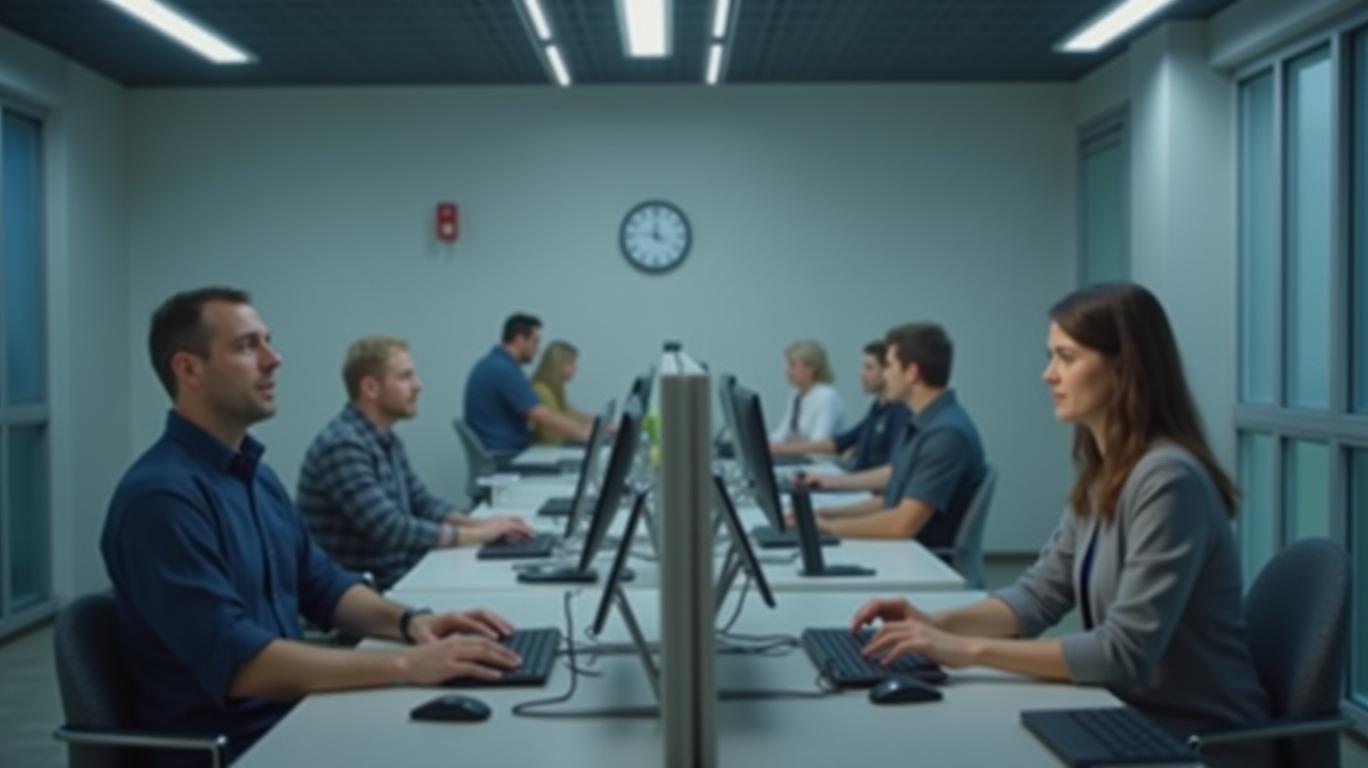
The Great Divide
The RTO debate has created a clear divide among employees, with some embracing the flexibility of remote work and others preferring the structure and collaboration of the office environment. However, it appears that certain employees have been granted special privileges, allowing them to continue working remotely even as their colleagues are forced to return to the office. This divide has raised questions about fairness, productivity, and the long-term viability of RTO mandates.
The Impact on Office Real Estate
The RTO debate has significant implications for the office real estate market, particularly for office REITs. As companies grapple with the decision to mandate a full-time return to the office, they may struggle to fill their office spaces, leading to increased vacancies and lower rental rates. This, in turn, could negatively impact the financial performance of office REITs, as seen in the decline of office REIT prices during the pandemic.

The Role of REITs
Office REITs play a crucial role in the office real estate market, owning and managing a significant portion of office properties. As companies reevaluate their office space needs in the face of RTO mandates, office REITs may face challenges in maintaining occupancy and rental rates. However, REITs that focus on high-quality, well-located properties may be better positioned to weather the storm, as seen in the strong performance of data center REITs during the pandemic.
The Future of RTO Mandates
As the debate over RTO mandates continues, it is clear that a one-size-fits-all approach is not sustainable. Companies must consider the unique needs and preferences of their employees, as well as the potential long-term impacts of RTO mandates on productivity, engagement, and retention. By embracing flexibility and focusing on outcomes rather than face time, companies can create a more inclusive and productive work environment that benefits both employees and the bottom line.
In conclusion, the RTO debate has created a clear divide among employees, with some exempt from the mandates while others are forced to return to the office. This divide has significant implications for the office real estate market and office REITs, which must navigate the challenges and opportunities presented by RTO mandates. By embracing flexibility and focusing on outcomes, companies can create a more inclusive and productive work environment that benefits both employees and the bottom line.
OPI--
As the world continues to grapple with the aftermath of the COVID-19 pandemic, one of the most contentious issues in the workplace has been the return-to-office (RTO) mandate. While some companies have embraced flexible work arrangements, others have insisted on a full-time return to the office. However, it seems that not all employees are subject to the same rules, and a chosen few have been exempt from these mandates. Let's explore the implications of this divide and the potential impacts on office real estate and REITs.
The Great Divide
The RTO debate has created a clear divide among employees, with some embracing the flexibility of remote work and others preferring the structure and collaboration of the office environment. However, it appears that certain employees have been granted special privileges, allowing them to continue working remotely even as their colleagues are forced to return to the office. This divide has raised questions about fairness, productivity, and the long-term viability of RTO mandates.
The Impact on Office Real Estate
The RTO debate has significant implications for the office real estate market, particularly for office REITs. As companies grapple with the decision to mandate a full-time return to the office, they may struggle to fill their office spaces, leading to increased vacancies and lower rental rates. This, in turn, could negatively impact the financial performance of office REITs, as seen in the decline of office REIT prices during the pandemic.
The Role of REITs
Office REITs play a crucial role in the office real estate market, owning and managing a significant portion of office properties. As companies reevaluate their office space needs in the face of RTO mandates, office REITs may face challenges in maintaining occupancy and rental rates. However, REITs that focus on high-quality, well-located properties may be better positioned to weather the storm, as seen in the strong performance of data center REITs during the pandemic.
The Future of RTO Mandates
As the debate over RTO mandates continues, it is clear that a one-size-fits-all approach is not sustainable. Companies must consider the unique needs and preferences of their employees, as well as the potential long-term impacts of RTO mandates on productivity, engagement, and retention. By embracing flexibility and focusing on outcomes rather than face time, companies can create a more inclusive and productive work environment that benefits both employees and the bottom line.
In conclusion, the RTO debate has created a clear divide among employees, with some exempt from the mandates while others are forced to return to the office. This divide has significant implications for the office real estate market and office REITs, which must navigate the challenges and opportunities presented by RTO mandates. By embracing flexibility and focusing on outcomes, companies can create a more inclusive and productive work environment that benefits both employees and the bottom line.

Divulgación editorial y transparencia de la IA: Ainvest News utiliza tecnología avanzada de Modelos de Lenguaje Largo (LLM) para sintetizar y analizar datos de mercado en tiempo real. Para garantizar los más altos estándares de integridad, cada artículo se somete a un riguroso proceso de verificación con participación humana.
Mientras la IA asiste en el procesamiento de datos y la redacción inicial, un miembro editorial profesional de Ainvest revisa, verifica y aprueba de forma independiente todo el contenido para garantizar su precisión y cumplimiento con los estándares editoriales de Ainvest Fintech Inc. Esta supervisión humana está diseñada para mitigar las alucinaciones de la IA y garantizar el contexto financiero.
Advertencia sobre inversiones: Este contenido se proporciona únicamente con fines informativos y no constituye asesoramiento profesional de inversión, legal o financiero. Los mercados conllevan riesgos inherentes. Se recomienda a los usuarios que realicen una investigación independiente o consulten a un asesor financiero certificado antes de tomar cualquier decisión. Ainvest Fintech Inc. se exime de toda responsabilidad por las acciones tomadas con base en esta información. ¿Encontró un error? Reportar un problema




Comentarios
Aún no hay comentarios