
Why Retirees Should Consider Working in 2026 to Offset Rising Healthcare Costs and Inflation
For retirees in 2026, the financial landscape is increasingly precarious. While Social Security benefits will see a modest 2.8% cost-of-living adjustment (COLA), rising healthcare costs and inflation are outpacing this increase, eroding purchasing power and threatening financial stability. Medicare Part B premiums, for instance, are projected to jump by 9.7% in 2026, rising from $185 to $202.90 per month-a rate more than three times the COLA increase. This premium hike alone will consume 33% of the COLA, effectively reducing the real benefit increase for retirees from 2.8% to 2.1%. Meanwhile, ACA Marketplace premiums are expected to surge by a median of 18%, and employer-sponsored health insurance premiums will rise by 9%, the highest growth rate in fifteen years. These trends underscore a critical need for retirees to rethink their financial strategies.
The Growing Gap Between Income and Expenses
The disconnect between income growth and rising costs is stark. A retiree receiving an average Social Security benefit of $2,007 per month will see their payment increase by $50 due to the COLA. However, the $21.50 increase in the Part B premium could consume nearly 40% of that gain. For high-income retirees, the burden is even greater, as income-related monthly adjustment amounts (IRMAA) will further inflate premiums. Beyond Medicare, retirees face escalating costs for prescription drugs, long-term care, and general inflation, which already outpaces the COLA.
Strategic Income Diversification: A Path Forward
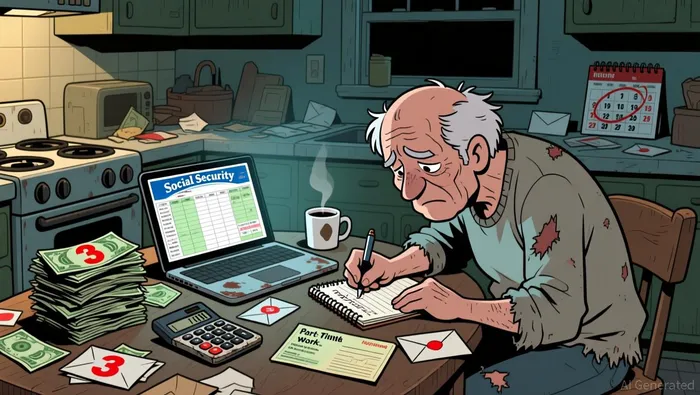 To bridge this gap, retirees must adopt proactive strategies to diversify income. Part-time work, pensions, and investment income are key avenues. According to a report by Paychex, retirees are increasingly turning to part-time jobs or gig economy opportunities to supplement their fixed incomes. These roles not only offset healthcare costs but also provide flexibility to manage unexpected expenses. For example, a retiree earning $15,000 annually from part-time work could cover a significant portion of their healthcare premiums and inflation-driven expenses.
Tax strategies also play a pivotal role. The One Big Beautiful Bill Act (OBBBA) introduces a temporary $6,000 "bonus deduction" for taxpayers aged 65 and older, available through 2028. This deduction can reduce taxable income, potentially lowering or eliminating federal taxes on Social Security benefits. Additionally, retirees can leverage Roth conversions to shift portions of traditional IRA accounts into tax-free Roth IRAs, minimizing future tax liabilities and IRMAA surcharges.
Navigating Tax Implications and Earnings Limits
Retirees considering part-time work must also account for Social Security's earnings test. For those not yet at full retirement age, $1 is withheld from benefits for every $2 earned above $24,480 in 2026. However, the threshold rises to $65,160 for those nearing full retirement age, offering greater flexibility. Tax-efficient strategies, such as timing income distributions or deferring earnings, can help retirees stay within lower IRMAA brackets and avoid unnecessary Medicare premium surcharges.
Financial Planning Frameworks for Resilience
Beyond income diversification, retirees should adopt structured financial planning frameworks. A "bucket strategy" divides savings into short-term, mid-term, and long-term categories, ensuring liquidity for immediate needs while preserving growth potential. Regularly reviewing insurance coverage-including Medicare supplements and long-term care policies-is also critical to managing unpredictable medical expenses.
Conclusion
The financial pressures of 2026 demand a shift in mindset for retirees. By embracing part-time work, optimizing tax strategies, and diversifying income streams, retirees can mitigate the impact of rising healthcare costs and inflation. As data from the National Social Security Administration and tax experts indicates, proactive planning is no longer optional-it is essential for maintaining financial security in retirement.







Comentarios
Aún no hay comentarios