
Retail Resilience: Navigating Crisis and Corporate Reputation in a Shifting Market
In an era marked by volatile consumer behaviors and supply chain disruptions, the retail sector has emerged as a battleground for corporate reputation management. The past year has underscored the criticality of adaptability, transparency, and customer-centric strategies in mitigating crises and preserving brand equity. While specific case studies remain elusive, the retail landscape in cities like Houston offers a microcosm of how physical and digital innovations are reshaping risk management frameworks.
The Fragile Nexus of Retail and Reputation
Corporate reputation in retail is no longer a byproduct of sales performance but a foundational asset. A single misstep—whether a supply chain delay, a data breach, or a misaligned marketing campaign—can erode decades of brand trust. According to a report by the World Retail Congress[1], 72% of consumers now prioritize brands that demonstrate agility and ethical responsiveness during crises. This shift has forced retailers to reframe risk management as a proactive, reputation-driven discipline rather than a reactive cost center.
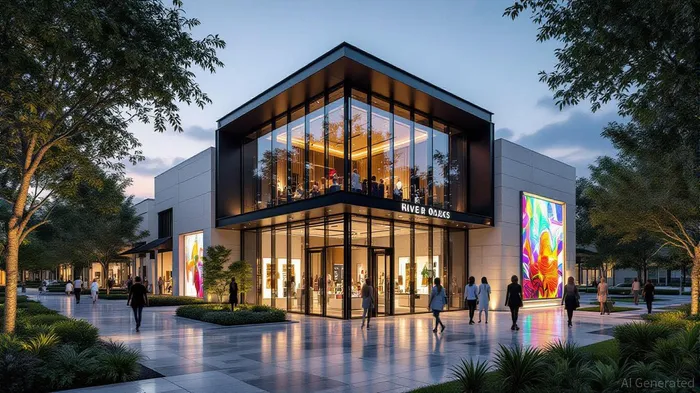
Houston's retail sector, for instance, has leveraged localized strategies to counteract national trends. By emphasizing unique shopping experiences in upscale districts like River Oaks and Memorial City Mall[2], retailers have created “destination” environments that blend commerce with lifestyle. This approach not only diversifies revenue streams but also insulates brands from reputational damage caused by generic retail models.
Crisis Response: From Supply Chains to Customer Experience
The pandemic and subsequent inflationary pressures exposed the fragility of global supply chains, pushing retailers to innovate. Data from PropertyShark indicates that Houston-based retailers have increasingly prioritized hybrid models, integrating online retail channels with physical stores to ensure continuity[3]. This dual-channel strategy mitigates risks associated with inventory shortages while reinforcing brand reliability.
However, digital transformation alone is insufficient. A brand's reputation hinges on its ability to align with evolving consumer values. For example, Houston retailers have incorporated sustainability and community engagement into their operations, such as zero-waste initiatives and partnerships with local artisans[4]. These efforts not only address environmental concerns but also foster emotional connections with customers—a critical buffer during crises.
The Role of Location in Reputation Management
Physical locations remain pivotal in shaping corporate reputation. Retailers in Houston have strategically positioned themselves in areas that align with their brand identity. For instance, Memorial City Mall's focus on family-friendly amenities and safety protocols[5] has become a benchmark for creating trust in post-pandemic environments. Such location-based strategies transform retail spaces into community hubs, reducing vulnerability to reputational threats from competitors or market downturns.
Integrating Entertainment and Lifestyle Offerings
The integration of entertainment and lifestyle elements within retail environments has emerged as a key differentiator. Houston's shopping centers now feature pop-up events, fitness classes, and co-working spaces, transforming passive shopping into active engagement. This experiential model not only drives foot traffic but also cultivates a narrative of innovation and customer care—attributes that bolster corporate reputation during crises.
Conclusion: Building Resilience Through Reputation
The retail sector's ability to navigate crises hinges on its capacity to treat corporate reputation as a strategic asset. Houston's localized strategies—ranging from experiential retail to hybrid digital-physical models—demonstrate that adaptability and customer engagement are not just operational imperatives but pillars of long-term brand resilience. For investors, the lesson is clear: Retailers that prioritize reputation management through innovation and community alignment are better positioned to thrive in an unpredictable market.







Comentarios
Aún no hay comentarios