
The Retail Exodus: Why Easter’s Quiet Stores Signal a Permanent Shift
The week of April 20–27, 2025, brought a quiet but profound truth to America’s retail landscape: physical stores are vanishing at an alarming rate. While temporary closures for Easter dominated headlines—think empty aisles at Kohl’s and Target—the deeper story lies in the permanent shutdowns reshaping the industry. This is no passing trend: it’s a seismic shift with clear implications for investors.
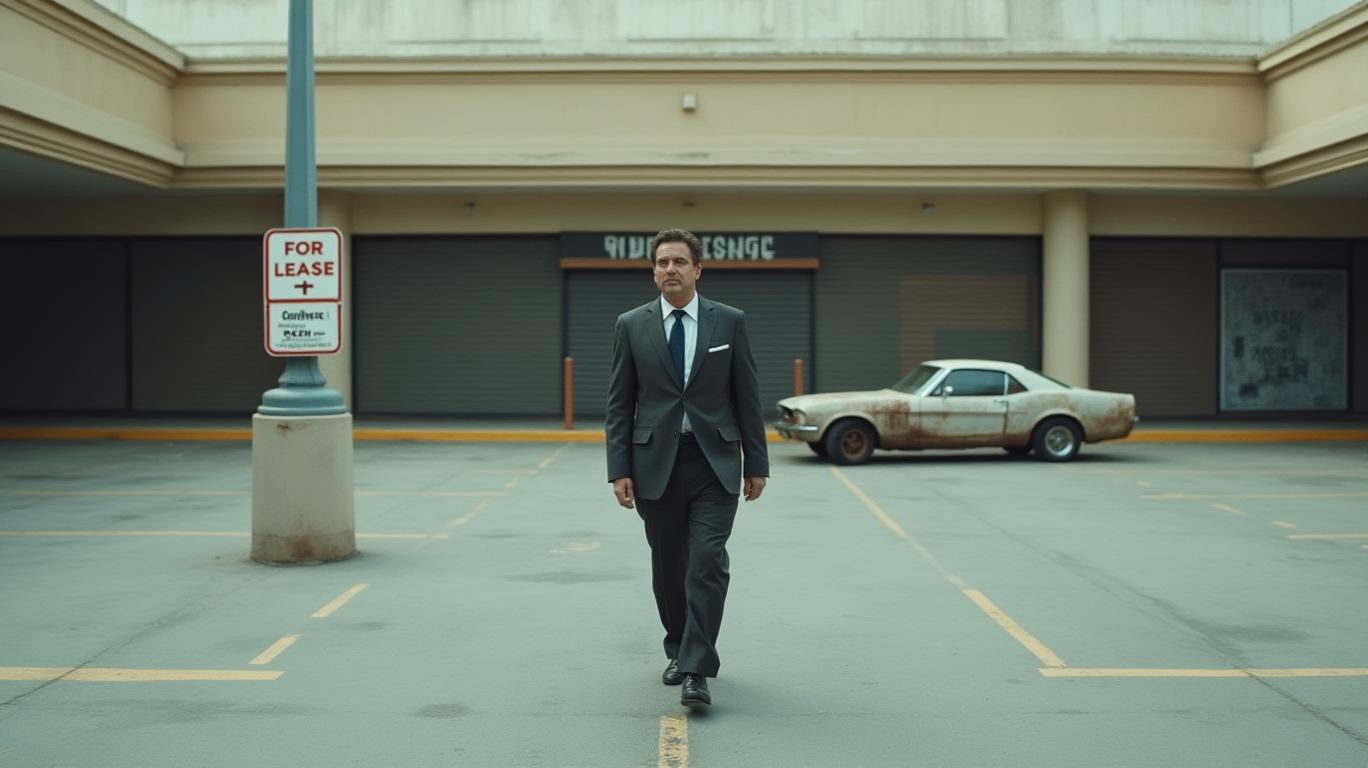
The Easter Weekend Lull: A Mirror of Retail’s Fragility
The holiday’s widespread closures—spanning 20 major retailers including ALDI, Best Buy, and Macy’s—highlighted just how precarious the brick-and-mortar model has become. While most stores reopened by Monday, the optics were jarring. Shoppers accustomed to 24/7 convenience faced a stark reminder of the industry’s struggles.
The contrast was stark: WalmartWMT-- and Dollar General, open for Easter, became lifelines for last-minute shoppers. This divergence underscores a critical divide: retailers prioritizing operational efficiency over convenience are failing.
Kohl’s, for instance, saw its stock plummet 22% year-to-date as it shuttered 27 stores by March 2025—a number that will grow to 66 by year’s end. CEO Tom Kingsbury framed this as “difficult but necessary,” but investors see it differently: a shrinking footprint signals a company unable to compete in its core market.
The Permanent Closure Tsunami: Numbers and Strategies
Beyond Easter, the data paints a dire picture. Walgreens’ plan to close 500 underperforming stores by August 2025—part of a 1,200-store purge over three years—epitomizes the scale of the crisis. “Increased regulatory and reimbursement pressures are weighing on our ability to cover costs,” admitted Brigid Sweeney, Walgreens’ CFO.
Meanwhile, JCPenney’s eight mid-2025 closures—including flagship locations in San Bruno, CA, and Topeka, KS—reflect a broader strategy: retailers are abandoning unprofitable leases to focus on prime locations. But even this isn’t enough.
Green Street Advisors warns that 25% of America’s largest malls will vanish by 2027, with vacancies and e-commerce dominance driving the collapse. The numbers are staggering: 45,000 stores could close by 2029, a figure that includes 700 Party City locations and 800 Joann Fabrics stores already shuttered by early 2025.
The Path Forward: What Investors Should Do
The writing is on the wall: traditional retailers are in freefall. But this crisis creates opportunities.
Avoid the Unavoidable:
- Stocks to Sell: Kohl’s (down 22% YTD), JCPenney (losing 34% of its store base by 2026), and Walgreens (pruning 1,200 stores).
- Why?: These companies are fighting a losing battle against e-commerce and shifting consumer habits.
Invest in the Future:
- E-Commerce Infrastructure: Companies like Shopify or logistics firms like FedEx are positioned to capitalize on rising online sales.
- Adaptive Real Estate: Retail spaces repurposed for housing, offices, or entertainment—think malls becoming mixed-use developments.
Conclusion: The End of Retail as We Knew It
The Easter 2025 closures were a wake-up call. With 25% of malls poised to vanish by 2027 and 45,000 stores gone by 2029, investors ignoring this shift do so at their peril. The winners will be those who bet on agility: e-commerce enablers, logistics networks, and real estate innovators.
For traditional retailers? The path forward is narrow—and shrinking. As CEO Kingsbury put it: “We must take difficult actions.” For investors, the message is clearer still: follow the data, not the nostalgia.
The numbers don’t lie: the era of the physical store is ending. The question now is, who will profit from its demise?





Comentarios
Aún no hay comentarios