
The Resurgence of Event Cinema: How Celebrity-Driven Films and Consumer Engagement Are Reviving the Industry
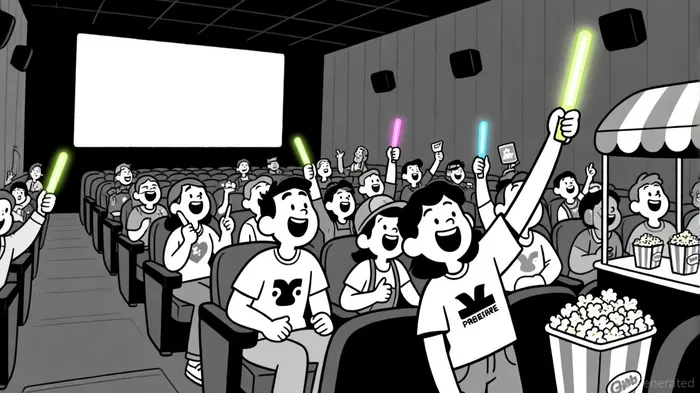
The global cinema industry, once battered by the pandemic and the rise of streaming, is experiencing a renaissance driven by a potent mix of celebrity-driven event films and hyper-targeted consumer engagement strategies. From the cultural phenomenon of "Barbenheimer" to the nostalgia-fueled success of Despicable Me 4, studios are leveraging star power, intellectual property (IP), and social media to draw audiences back to theaters. For investors, this revival presents both opportunities and cautionary tales.
The Power of Event Cinema: A New Era of Box Office Dominance
Event cinema has redefined the blockbuster model, with 2023–2025 marking a return to theatrical exclusivity as a premium experience. The 2023 summer clash of Barbie and Oppenheimer—dubbed "Barbenheimer"—exemplified this shift. The films collectively generated one of the top five box office weekends in history, with Barbie grossing over $1.4 billion and Oppenheimer nearing $1 billion despite its niche subject matter[1]. These successes were not accidental but strategically engineered through celebrity-driven narratives (Greta Gerwig and Margot Robbie for Barbie; Christopher Nolan for Oppenheimer) and viral social media campaigns that turned moviegoing into a shared cultural ritual[1].
The trend has continued into 2024 and 2025, with IP-driven sequels dominating the box office. The top 10 domestic films in 2024 were all based on existing intellectual property, including Deadpool & Wolverine ($650 million), Inside Out 2 ($630 million), and Despicable Me 4 ($610 million)[4]. These films capitalized on pre-existing fan bases and brand loyalty, proving that audiences are willing to pay a premium for stories they already know.
Consumer Engagement: The Social Media-Driven Theater Experience
Modern event cinema thrives on real-time engagement, with social media acting as both a marketing tool and a cultural amplifier. The "Barbenheimer" phenomenon, for instance, trended globally on platforms like TikTok and X (formerly Twitter), even drawing commentary from world leaders[1]. Studios now prioritize creating shareable moments—whether through themed merchandise, behind-the-scenes content, or interactive promotions—to turn first-time viewers into advocates.
AMC Theatres has further capitalized on this dynamic by integrating data-driven marketing and loyalty programs into its strategy[3]. By analyzing customer preferences and tailoring promotions (e.g., discounted tickets for Gen Z audiences), AMCAMC-- has successfully attracted younger demographics who prioritize experiences over passive consumption. This approach aligns with broader industry research indicating that Gen Z and millennials are more likely to attend theaters for films with strong social media presence[2].
Risks and Lessons: When Event Cinema Fails
Not all celebrity-driven films achieve their financial goals. Leonardo DiCaprio and Martin Scorsese's Killers of the Flower Moon, despite its A-list pedigree and $200 million budget, grossed only $150 million[1]. Similarly, high-profile sequels like The Marvels and The Dial of Destiny underperformed, highlighting the risks of relying solely on brand recognition without meaningful innovation[1]. These cases underscore a critical lesson: celebrity involvement and IP alone are insufficient; storytelling and audience relevance remain paramount.
Investment Implications: A Strategic Outlook
For investors, the revival of event cinema suggests a focus on studios with strong IP portfolios and agile marketing capabilities. Franchise-based projects, particularly those with established fan bases (e.g., Marvel, Pixar, Illumination), offer lower risk and higher returns. Additionally, theater chains that integrate digital engagement strategies—like AMC's loyalty programs—stand to benefit from sustained audience retention[3].
However, caution is warranted. The underperformance of non-franchise films like Killers of the Flower Moon indicates that audiences are increasingly selective. Investors should prioritize companies that balance star power with creative innovation and data-driven consumer insights[2].
Conclusion
The cinema industry's revival is not a fleeting trend but a recalibration driven by event-driven storytelling, celebrity influence, and social media engagement. As studios and theaters adapt to evolving consumer preferences, the key to long-term success lies in creating experiences that transcend the screen—and justify the price of a ticket.







Comentarios
Aún no hay comentarios