
Resilient Leadership and Long-Term Value Creation in Tough Times: Lessons from Chung Ju-Yung's Hyundai Empire
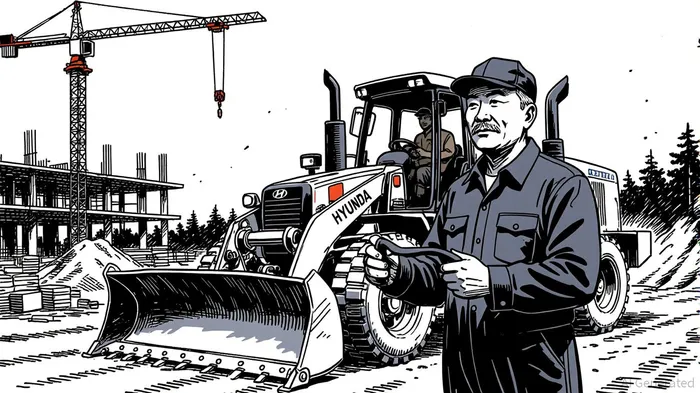
In the annals of corporate history, few leaders embody the fusion of resilience, ethical rigor, and relentless execution as did during his stewardship of Hyundai. From a post-war scrapyard to a global industrial titan, his story offers a masterclass in building durable value amid volatility. For investors navigating today's unpredictable markets, .
The Frugality of Vision
Chung's leadership was anchored in a paradox: frugality as a tool for innovation. In the 1970s, , not as a cost-cutting gimmick but as a cultural reset. This discipline freed capital for R&D, . While peers slashed innovation budgets, Hyundai doubled down on hydrogen and electric vehicle (EV) research. By 2000, .
People-First Culture as a Competitive Edge
Chung's “people-first” ethos was not just moral but strategic. He introduced profit-sharing, free meals, and open communication channels, fostering loyalty that translated into productivity. By the 1970s, , a direct result of employee engagement. This culture of mutual respect insulated the company during downturns. During the 2008 crisis, while competitors laid off workers, .
Ethical Governance in Action
Chung rejected short-termism. He avoided hostile takeovers, prioritized long-term reputation over quarterly profits, and insisted on fulfilling contracts even in dire financial straits. For example, , despite financial strain. This commitment to integrity became a strategic advantage, earning trust with stakeholders and aligning with today's (Environmental, Social, ) investment trends.
Strategic Diversification and Speed
Chung's “shorten the time” philosophy emphasized execution speed and scale. In 1965, . His diversification into shipbuilding and infrastructure created a buffer against sector-specific downturns. By the 2000s, , a model now mirrored by tech giants like AmazonAMZN-- and AppleAAPL--.
Lessons for Modern Investors
- Prioritize Long-Term Innovation: Companies that protect R&D during downturns, like Hyundai did in 1997, often outperform peers. , , mirrors this logic.
- Value Ethical Governance: ESG metrics are no longer optional. , a trait now reflected in companies like MicrosoftMSFT-- and SalesforceCRM--.
- Invest in People. .
- Diversify Revenue Streams. Investors should seek companies with diversified, future-proof models.
Conclusion: Building Empires, Not Just Portfolios
Chung Ju-Yung's legacy is a testament to the power of resilient leadership. His strategies—frugality, ethical governance, and a relentless focus on people—created a company that thrived through crises and outperformed competitors. For today's investors, the takeaway is clear: durable value is built not by chasing short-term gains but by backing leaders who prioritize long-term vision, innovation, and trust. In an era of AI-driven disruption and climate risks, the principles that made Hyundai a global force remain as vital as ever.
As markets fluctuate, , but which leaders to follow. .







Comentarios
Aún no hay comentarios