
The Resilient Consumer: How Price Sensitivity and Discretionary Spending Shape Inflationary Trends
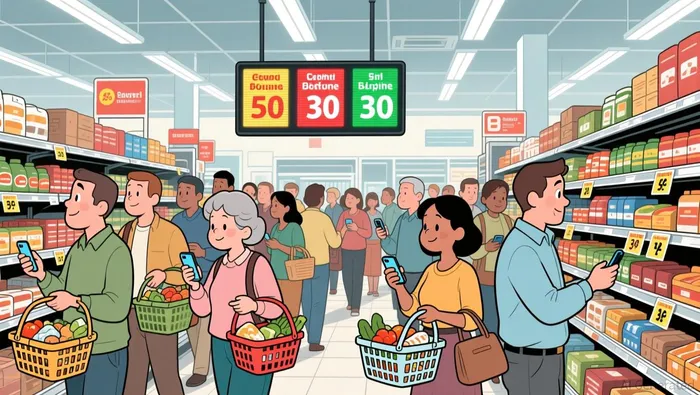
The U.S. consumer in 2025 remains a paradox: financially constrained yet resilient. Persistent inflation, coupled with policy-driven cost pressures, has reshaped spending habits, forcing households to prioritize essentials over discretionary purchases. Yet within this challenging landscape, certain segments of the consumer discretionary sector are thriving-offering high-conviction investment opportunities for those who can identify companies adept at navigating price sensitivity and macroeconomic uncertainty.
The Shifting Spending Landscape
According to a report, nearly 40% of Americans plan to reduce holiday spending in 2025, while over half are skipping travel, reflecting a broader trend of budget tightening. The Federal Reserve's November 2025 Beige Book underscores this shift, noting that low- and middle-income households are increasingly substituting cheaper alternatives and delaying discretionary purchases like dining out and entertainment. Meanwhile, Deloitte's State of the US Consumer report highlights rising expenditures on groceries and housing, further compressing budgets for nonessentials.
This recalibration of priorities is not merely cyclical but structural. Tariffs and trade policy volatility have exacerbated price pressures, with businesses across sectors passing costs to consumers. Yet, as the economy edges toward a "soft landing," driven by AI-driven productivity gains and stable consumer spending, opportunities emerge for companies that can balance affordability with innovation.
High-Conviction Investment Opportunities
1. Value-Driven Retailers: Walmart, Costco, and Ross Stores
Retailers with a clear value proposition are outperforming peers. Walmart has raised its 2025 sales forecast to 4.8%-5.1%, capitalizing on price-sensitive shoppers shifting away from rivals like TargetTGT-- and Home Depot. The company's strategy of absorbing inflationary costs while collaborating with suppliers to limit price hikes has proven effective. Similarly, Costco's membership model and bulk-discount format insulate it from short-term price volatility, as evidenced by its consistent same-store sales growth. Ross Stores, a leader in off-price retail, benefits from consumers trading down to lower-cost alternatives, a trend amplified by inflation.
2. Premium Brands with Durable Demand: Ralph Lauren and Urban Outfitters
Even in a cautious spending environment, premium brands with strong equity are defying headwinds. Ralph Lauren raised its full-year revenue outlook in 2025 despite macroeconomic uncertainties, leveraging its "accessible luxury" positioning and diversified supply chain to maintain margins. Urban Outfitters similarly benefits from brand loyalty, as consumers continue to splurge on fashion and lifestyle products amid trade-offs in other categories. These companies demonstrate that pricing power, when paired with brand strength, can mitigate inflationary pressures.
3. Digital-First and Efficiency-Driven Innovators
The Deloitte 2025 Consumer Products Industry Outlook emphasizes that top-performing companies are prioritizing digital transformation and operational efficiency. For instance, AI-driven inventory management and targeted e-commerce strategies are enabling firms to reduce costs and enhance customer retention. This aligns with broader market commentary suggesting that consumer discretionary stocks with recurring revenue models or domestic supply chains-such as healthcare and software firms-are better insulated from trade policy risks.
Navigating Risks and Structural Challenges
While these opportunities are compelling, investors must remain mindful of headwinds. The apparel and footwear sector, for example, faces prolonged challenges due to tariffs and geopolitical tensions, with retailers absorbing cost increases to sustain demand. Similarly, PwC's analysis of global M&A trends notes that high interest rates and inflationary uncertainty are delaying strategic consolidation in consumer markets. However, companies that combine operational discipline with innovation-such as Walmart's supply chain optimizations or Ralph Lauren's diversified sourcing-position themselves to outperform.
Conclusion
The 2025 consumer discretionary sector is a study in contrasts: constrained by inflation yet driven by resilience and adaptability. For investors, the key lies in identifying companies that align with shifting consumer priorities-whether through affordability, brand strength, or technological agility. As the Fed navigates a mixed inflation outlook, those who target firms with durable business models and pricing flexibility will be best positioned to capitalize on the sector's long-term potential.





Comentarios
Aún no hay comentarios