
Resilient Business Models in Turbulent Markets: Lessons from Chung Ju-Yung and Hyundai's Unconventional Growth
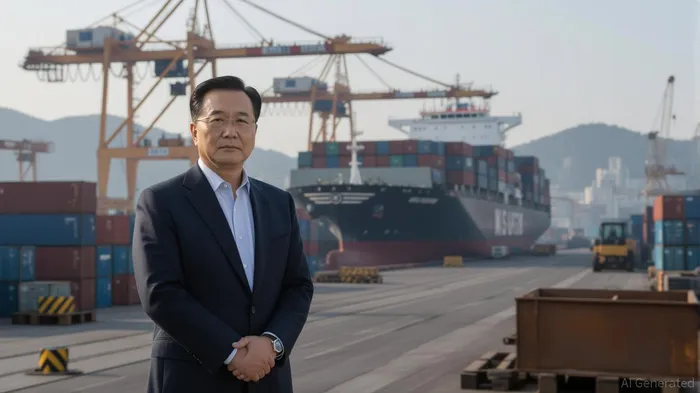
In the annals of business history, few leaders have demonstrated the audacity and discipline to transform a nation's infrastructure while navigating economic chaos. Chung Ju-Yung, the founder of Hyundai, built his conglomerate on principles that defied conventional wisdom: frugality as a strategic tool, relentless execution, and a culture of trust. His story is not just a blueprint for corporate resilience but a masterclass in how unconventional leadership can unlock long-term value in uncertain environments. For investors, the lessons from Hyundai's journey offer a roadmap to identify and capitalize on companies that thrive where others falter.
The Frugality of Vision
Chung's philosophy of “diligence, frugality, affection” was not born from austerity but from a deep understanding of resource constraints. In 1965, when most firms hesitated to invest during economic instability, Hyundai spent $8 million to acquire 2,000 heavy machines—a move that seemed reckless at the time. Yet this bold bet paid off, enabling the company to dominate infrastructure projects like the Gyeongbu Expressway and the Soyang Dam. Frugality, in this context, was not about cutting costs but about maximizing the utility of every resource.
For investors, this translates to a focus on companies with high R&D-to-revenue ratios and disciplined capital allocation. to identify firms that reinvest aggressively in innovation while maintaining operational efficiency.
Execution as a Competitive Edge
Hyundai's survival during the 1997 Asian Financial Crisis and its profitability during the 2008 global recession were not accidents. Chung's emphasis on execution discipline—such as building a shipyard and its first ship simultaneously to cut timelines—created a culture of eliminating waste. This ethos extended to employee morale: free meals, profit-sharing schemes, and hands-on leadership fostered loyalty during downturns.
Investors should prioritize firms with strong employee retention rates and low debt-to-EBITDA ratios. A company that values its workforce and maintains financial flexibility is better positioned to navigate crises. Consider to gauge the strength of their corporate cultures.
Relentless Improvement and Long-Term Vision
Hyundai's shift from construction to automotive manufacturing in the 1970s was a gamble, but its 1990s “America's Best Warranty” initiative forced the company to overhaul its processes, boosting reliability and trust. Today, Hyundai's $7.4 billion investment in hydrogen fuel cells and urban air mobility by 2025 underscores its commitment to future-proofing its business.
Look for companies making strategic bets on emerging technologies. to assess how forward-thinking investments translate to market value.
Actionable Strategies for Investors
- Founder-Led Companies: Firms like BDO Unibank and Alfamart, where leadership is deeply aligned with employees, often exhibit long-term stability.
- Independent Return Strategies: Diversify with event-driven or structured credit funds to hedge against market volatility.
- Ethical Governance Metrics: High employee retention and transparent leadership practices are indicators of resilience.
Conclusion
Chung Ju-Yung's legacy is a testament to the power of unconventional thinking. In today's fragmented markets, investors must look beyond quarterly earnings and seek companies that prioritize long-term value through frugality, execution, and innovation. By applying these principles, portfolios can not only weather storms but also position themselves to capitalize on the next wave of industrial and technological breakthroughs.
The next time you evaluate a stock, ask: Does this company build ships while constructing its shipyard? Does it treat frugality as a virtue and execution as a religion? The answers may reveal the next Hyundai.







Comentarios
Aún no hay comentarios