
The Resilient Business Leader: Lessons from Chung Ju-Yung for Investors in Uncertain Times
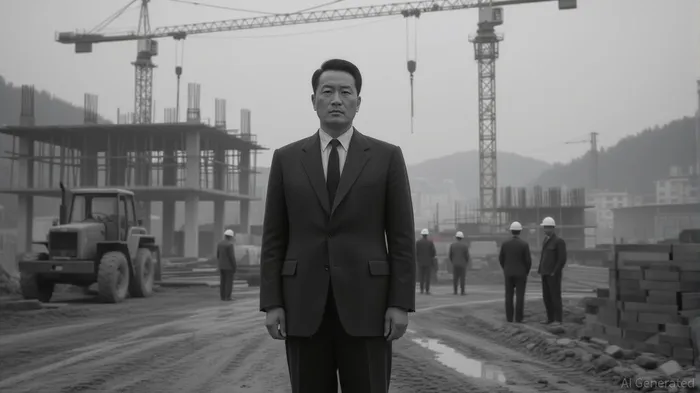
In an era marked by geopolitical turbulence, inflationary pressures, and technological disruption, investors are increasingly seeking businesses that can not only endure volatility but thrive in it. The story of Chung Ju-Yung, the founder of the Hyundai Group, offers a masterclass in how founder-led companies with first-principles thinking, relentless execution, and a culture of resilience can create enduring value. For investors, the lessons from his legacy are not just historical footnotes—they are blueprints for identifying anti-fragile businesses in uncertain markets.
First-Principles Thinking: Building from the Ground Up
Chung Ju-Yung's approach to business was rooted in first-principles thinking. He famously rejected incrementalism, instead asking, “What is the fundamental problem we need to solve?” This mindset led him to invest in 2,000 advanced heavy machines in the 1960s—a decision that defied conventional wisdom but positioned Hyundai to dominate global construction and automotive markets. For investors, this underscores the importance of backing leaders who challenge assumptions and prioritize foundational innovation over short-term gains.
Consider the contrast with companies that rely on market trends without questioning their underlying logic. A founder-led business that builds infrastructure, technology, or products from first principles—like Hyundai's early adoption of hydrogen fuel cells—often gains a moat that competitors cannot replicate. reveals a stark divergence in long-term value creation.
Relentless Execution: The Power of “Do-Or-Die” Culture
Chung's mantra—“Quitting is not in my dictionary”—was not just a motivational slogan but a cultural pillar. He instilled a “do-or-die” attitude in his workforce, ensuring that Hyundai's operations were lean, disciplined, and unyielding in the face of adversity. This culture allowed the company to survive the 1997 Asian Financial Crisis by cutting costs while maintaining worker welfare through profit-sharing and free meals.
Investors should look for companies where execution is non-negotiable. Metrics such as consistent revenue growth, operational efficiency (e.g., low SG&A expenses), and employee retention rates can signal a culture of relentless execution. highlights how disciplined cost management can preserve value during downturns.
A Culture of Resilience: Frugality as a Strategic Advantage
Chung's frugality was legendary. He mandated that workers use both sides of a sheet of paper and personally avoided ostentatious spending. This wasn't mere penny-pinching—it was a strategic choice to maximize resources and foster a mindset of scarcity, which became Hyundai's competitive edge.
Modern investors can identify similar traits by analyzing companies with high asset turnover ratios, low debt-to-equity ratios, and a history of navigating crises without compromising long-term goals. illustrates how a lean balance sheet can provide flexibility in volatile markets.
People-Centric Leadership: The Human Capital Edge
Chung's belief that “the success of a business is determined by the willpower and creativity of its people” was revolutionary for his time. He treated employees as partners, sharing profits and fostering loyalty. This approach created a workforce that was not only productive but fiercely committed to the company's mission.
Investors should prioritize companies with strong employee engagement metrics and profit-sharing structures. demonstrate a correlation between human capital and shareholder returns.
Actionable Insights for Investors
- Seek Founder-Led Companies with Long-Term Vision: Founders like Chung Ju-Yung often embed their values into a company's DNA. Look for businesses with a clear, multi-decade strategy and a history of reinvesting profits into innovation.
- Analyze Resilience Metrics: Study how companies have navigated past crises. Key indicators include cash flow stability, debt management, and operational flexibility.
- Prioritize Ethical and People-Centric Leadership: Businesses that align profit with purpose—like Hyundai's emphasis on national development—often outperform peers in volatile markets.
Conclusion
Chung Ju-Yung's legacy is a testament to the power of resilient leadership. For investors, the takeaway is clear: in uncertain times, the most durable businesses are those led by founders who think in first principles, execute with relentless discipline, and build cultures that thrive on adversity. By identifying these traits, investors can position themselves to capitalize on the next generation of anti-fragile enterprises—those that not only survive but redefine their industries.







Comentarios
Aún no hay comentarios