
The Resilience and Rebound Potential of China's Luxury Market: Strategic Positioning for Early-Mover Advantage in a Fragmented Landscape
China's luxury market, once a juggernaut of global growth, has faced a turbulent post-pandemic reset. In 2024, , according to Bain analysis. Yet, amid this volatility, a stabilizing trend is emerging. By 2025, the market is no longer shrinking-though it remains flat-and brands are recalibrating their strategies to navigate a fragmented landscape. For investors, the key lies in identifying companies that are not just surviving but redefining the rules of engagement in this high-stakes arena.
The New Rules of the Game: Localization, Digital Innovation, and Anti-Grey Market Tactics
The first lesson from China's evolving luxury market is clear: localization is no longer optional-it's existential. Chinese consumers, now more discerning and value-conscious, demand culturally resonant experiences. Take Hermès, which in 2024 executed a culturally immersive campaign in Hangzhou, blending physical events with livestreaming on Xiaohongshu and WeChat. The result? . Similarly, Louis Vuitton's Shanghai flagship, "The Louis," has become a blueprint for experiential retail, combining retail, dining, according to research. These examples underscore a shift from transactional sales to relationship-building through hyper-localized storytelling.
Digital innovation is the second pillar of success. Chinese consumers, particularly , are digital natives who expect seamless, personalized interactions. Brands leveraging AI and GenAI to optimize supply chains and create emotionally intelligent campaigns are outpacing peers. For instance, Dior's 2024 virtual fashion show on WeChat and Xiaohongshu . Meanwhile, AI-powered inventory systems and virtual influencers are not just combating counterfeit goods but redefining brand credibility in a market where authenticity is paramount according to research.
The third and most urgent challenge is the grey market. in categories like fashion and leather goods. To counter this, brands must harmonize global pricing, enforce purchase limits, and invest in after-sales services. LVMH's Q3 2024 performance in Mainland China-a return to growth-was partly driven by aggressive pricing alignment and enhanced customer relationship management.
The Path to Rebound: Experiential Luxury and Ecosystem Building
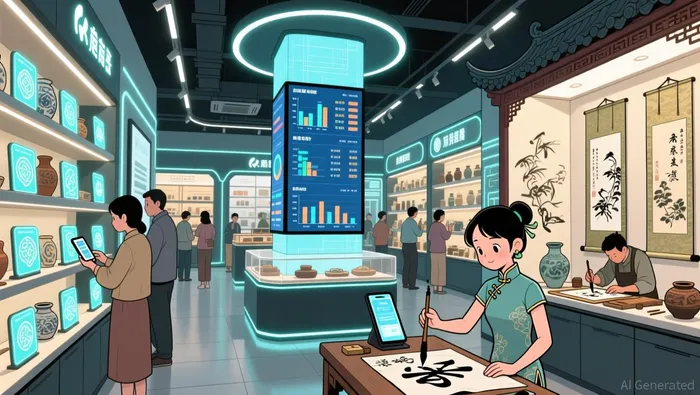
The future of China's luxury market lies in experiential offerings and . According to Euromonitor, experiential luxury-encompassing travel, wellness, . Brands like Moncler and Hermès are capitalizing on this shift by offering exclusive travel packages and wellness retreats, creating emotional resonance beyond physical products. Meanwhile, LVMH's Shangxia brand, which blends French craftsmanship with Chinese heritage, exemplifies the "Guochao" (national fashion) trend, appealing to consumers seeking cultural pride according to research.
Investors should also watch the rise of sustainability-driven strategies. With 55% of high-income consumers prioritizing purpose-driven purchases, brands integrating eco-friendly practices-such as Gucci's carbon-neutral stores in Shanghai and Beijing-are gaining traction. These initiatives are not just ethical but economic, as they align with China's regulatory push for green growth.
Strategic Positioning for Early-Mover Advantage
For brands aiming to dominate this fragmented market, the playbook is clear:
1. Localize relentlessly: Partner with Chinese designers, sponsor cultural events, and tailor product lines to regional tastes.
2. Digitize aggressively: Invest in AI-driven personalization, virtual try-ons, and KOC-driven campaigns.
3. Combat grey markets: Align global pricing, enforce purchase limits, and enhance after-sales services.
4. Expand into ecosystems: Move beyond retail to offer wellness, travel, and home experiences that deepen customer loyalty.
The winners in 2025 will be those who treat China not as a monolithic market but as a mosaic of opportunities. As McKinsey notes, "The brands that thrive will be those that reorient their strategies around emotional connection, sustainability, and holistic lifestyle offerings." For investors, this means prioritizing companies with agile digital capabilities, cultural agility, and a long-term commitment to China's evolving consumer.







Comentarios
Aún no hay comentarios