
The Resilience of European Defense Stocks Amid Peace Deal Speculation
Structural Growth: Budgets and Policy Frameworks
Despite short-term market jitters, the European Union's defense budget is on a clear upward trajectory. In 2024, the combined defense budgets of the EU's 27 member states totaled €343 billion, or 1.9% of GDP. Projections indicate this will rise to €392 billion (2.1% of GDP) by 2025. NATO members have further pledged to reach 3.5% of GDP in defense spending by 2035, with an additional 1.5% allocated to critical infrastructure, cyber defense, and innovation. To meet these targets, 23 EU-NATO members will need to invest an extra €254 billion, pushing total spending toward €635 billion.
This growth is supported by EU-level initiatives such as the European Defence Fund (EDF), the Act in Support of Ammunition Production (ASAP), and the European Defence Industry Reinforcement through Common Procurement Act (EDIRPA). These programs aim to reduce fragmentation and boost industrial capacity, and foster cross-border collaboration. The proposed €131 billion allocation for defense and space in the EU's 2028–2034 multiannual financial framework further signals a long-term commitment to strengthening European defense capabilities.
Economic Implications: Balancing Growth and Fiscal Burden
While increased defense spending can stimulate domestic industries and technological innovation, it also carries macroeconomic risks. The European Central Bank estimates a fiscal multiplier of 0.93 for defense spending over two years, meaning each euro invested could generate 93 cents in GDP. However, this must be weighed against potential inflationary pressures-a 1% of GDP increase in defense expenditure could raise consumer price inflation by 0.1–0.3 percentage points over two years. Additionally, the import-heavy nature of defense procurement may limit the domestic multiplier effect, necessitating careful resource allocation to avoid crowding out investments in education, healthcare, and infrastructure.
Corporate Adaptation: Innovation and Geopolitical Preparedness
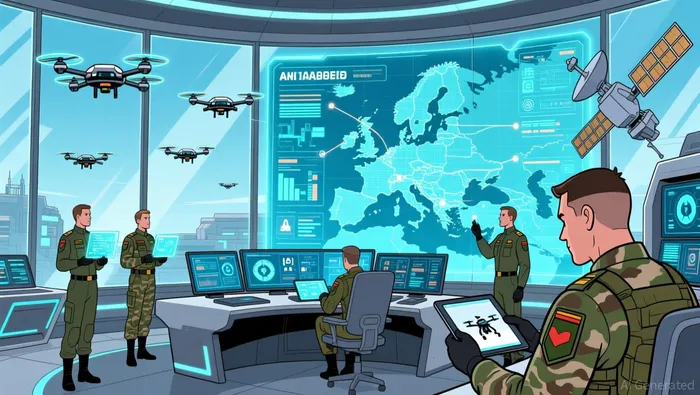
European defense companies are aligning their strategies with these structural shifts. Shield AI and Destinus have partnered to integrate Hivemind, an autonomy software, across Destinus' aerial platforms, enhancing reconnaissance-strike capabilities and reinforcing technological sovereignty. Similarly, Planet Labs and Quantum Systems are developing AI-enabled "Tip & Cue" intelligence solutions that combine satellite imaging with drone reconnaissance, creating actionable intelligence for defense operations. These partnerships reflect a broader trend toward AI-driven, integrated systems designed to address evolving geopolitical threats.
Such innovations are critical as European nations seek to reduce reliance on external suppliers and build resilient supply chains. The emphasis on autonomy, real-time data processing, and cross-platform interoperability positions these firms to capitalize on both current and future defense demands, even amid shifting geopolitical narratives.
Conclusion: Navigating Volatility with Long-Term Vision
While peace deal speculation has triggered short-term market corrections, the structural underpinnings of European defense stocks remain intact. The combination of rising budgets, EU-driven policy frameworks, and corporate innovation creates a compelling case for long-term resilience. Investors should focus on the sector's ability to adapt to geopolitical risks through technological advancement and strategic collaboration, rather than being swayed by transient market sentiment. As the EU and its member states navigate the complex interplay of security imperatives and economic sustainability, defense stocks are poised to play a pivotal role in shaping Europe's strategic and industrial future.







Comentarios
Aún no hay comentarios