
Residential Real Estate Market Resilience in a High-Interest Rate Environment: Strategic Positioning and Diversification for Long-Term Value Creation
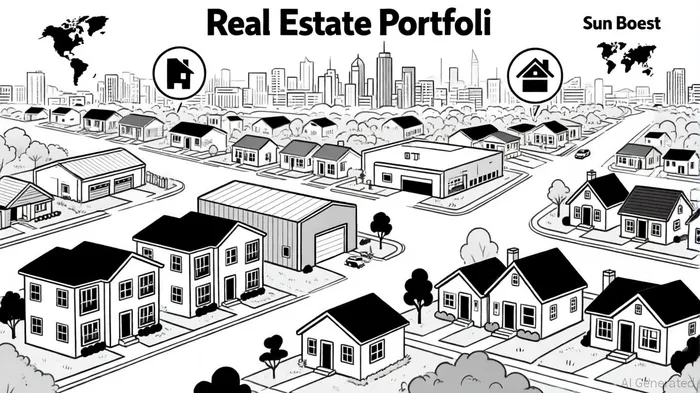
The U.S. residential real estate market has defied conventional economic wisdom in the face of persistently high interest rates from 2023 to 2025. Despite mortgage rates climbing to 20-year highs, home prices have remained remarkably stable, with J.P. Morgan Research projecting a modest 3% growth in 2025[1]. This resilience is not a fluke but a product of structural imbalances, demographic shifts, and strategic market adaptations. For investors, the challenge lies in leveraging these dynamics to create long-term value through strategic positioning and asset diversification.
Structural Resilience: The Role of Supply Constraints and Demographics
The market's stability is underpinned by a chronic housing shortage, exacerbated by the “lock-in” effect. Homeowners with fixed-rate mortgages from the 2020–2022 low-rate era are reluctant to sell, reducing inventory and artificially propping up prices[1]. This dynamic is compounded by population growth, particularly as millennials enter their peak homebuying years. The National Association of Realtors reported that median existing-home prices hit record highs in June 2025, with 24 consecutive months of year-over-year gains[3].
However, demand-side pressures persist. High rates have suppressed buyer activity, with existing home sales and inventory levels remaining subdued. The U.S. News Housing Market Index underscores affordability challenges, particularly for first-time buyers, as mortgage rates hover above 6%[2]. These constraints highlight the need for investors to focus on sectors less sensitive to rate volatility.
Strategic Positioning: Cash-Flow Resilient Sectors
In high-rate environments, properties with stable cash flows and long-term demand outperform. Multifamily housing and industrial real estate, for instance, have shown robustness. J.P. Morgan notes that multifamily assets benefit from inelastic demand, as renters prioritize affordability over homeownership in a high-rate climate[1]. Similarly, industrial properties—driven by e-commerce growth—offer predictable returns through long-term leases[3].
Developers are also innovating to address supply constraints. Adaptive reuse projects—repurposing outdated commercial properties into residential units—offer cost efficiency and faster timelines compared to ground-up construction[3]. Cities streamlining zoning and offering tax incentives are attracting capital, making pro-growth municipalities attractive for long-term investments.
Asset Diversification: Mitigating Risk Through Property and Geographic Spread
Diversification remains a cornerstone of long-term value creation. Spreading investments across property types—such as single-family rentals, medical offices, and veterinary properties—reduces sector-specific risks[2]. For example, medical office buildings offer stable returns through long-term healthcare leases, while single-family rentals cater to rising demand for flexible housing[3].
Geographic diversification is equally critical. Historical data from the 2008 financial crisis shows that globally diversified portfolios experienced lower losses than regionally concentrated ones[1]. In 2025, Sun Belt regions with strong job growth and population inflows (e.g., Texas, Florida) contrast with slower-moving urban centers, offering opportunities to balance risk and reward[3].
Long-Term Outlook: Navigating Rate Cuts and Market Evolution
While high rates persist, the Federal Reserve's projected rate cuts by late 2025 may ease mortgage affordability and stimulate demand[1]. Investors should prepare for a gradual market adjustment by prioritizing assets with strong cash flow and flexibility. Morgan Stanley highlights the growing importance of affordable housing and senior living sectors, driven by aging demographics and shifting preferences[4].
Conclusion
The U.S. residential real estate market's resilience in a high-rate environment is a testament to its structural adaptability. For investors, the path to long-term value creation lies in strategic positioning—targeting cash-flow resilient sectors—and diversification across property types and geographies. As the market evolves, those who align with demographic trends and leverage innovative strategies will be best positioned to thrive.







Comentarios
Aún no hay comentarios