
Reputational Risk in Pharma: How Misinformation Shapes Investor Sentiment and Valuation Recovery
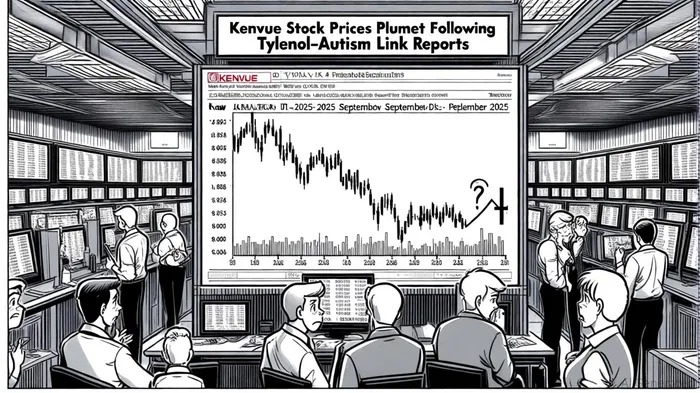
The recent controversy linking Tylenol to autism has exposed the fragility of pharmaceutical stocks in the face of misinformation. KenvueKVUE--, the spinoff of Johnson & Johnson that owns the Tylenol brand, saw its stock plummet by 16% in late 2025 after the Trump administration and Health Secretary RFK Jr. amplified unproven claims about acetaminophen use during pregnancy and autism risk [1]. This case underscores how reputational damage from politically driven narratives can override scientific consensus and regulatory endorsements, creating a volatile environment for investors.
The Impact of Misinformation on Kenvue's Stock
The misinformation campaign against Tylenol began gaining traction in early 2025, fueled by RFK Jr.'s advocacy and the Trump administration's anticipated report. By September 2025, Kenvue's shares had lost 25% of their value over six months, with a single-day drop of 8% following the administration's announcement [2]. Despite repeated denials from Kenvue and the FDA—which affirmed that acetaminophen remains the safest pain reliever for pregnant women—investor confidence eroded as public sentiment shifted [3]. The company now faces not only financial losses but also a surge in lawsuits from families alleging Tylenol caused autism or ADHD in their children [4].
Scientific Consensus vs. Public Perception
While Kenvue and regulators cite robust scientific evidence—such as a 2024 Swedish study of 2.5 million children that found no causal link between acetaminophen and autism—the public's trust in pharmaceutical companies has been strained by years of skepticism [5]. This disconnect highlights a critical vulnerability: even when data supports a product's safety, misinformation can dominate headlines and investor behavior. A report by The New York Times noted that Kenvue's interim CEO has been actively lobbying policymakers to counter the narrative, but the company's efforts to reassure consumers have struggled to gain traction [6].
Valuation Recovery and Market Sentiment
The question now is whether Kenvue's stock can recover. Some analysts argue the market overreacted, pointing to the lack of conclusive evidence and the FDA's continued endorsement of acetaminophen [7]. However, others warn that reputational damage may persist, especially if the controversy escalates. For example, a 2023 federal court dismissal of most autism-related lawsuits against Kenvue was overshadowed by ongoing state-level litigation and public health debates [8]. This duality—scientific validation versus sustained public doubt—creates a unique challenge for pharmaceutical stocks, where valuation recovery depends as much on PR and political maneuvering as on financial fundamentals.
Strategies for Reputational Risk Resilience
The Kenvue case offers lessons for pharmaceutical companies navigating misinformation:
1. Proactive Communication: Kenvue's public denials were necessary but insufficient. A more aggressive campaign to educate the public, perhaps through partnerships with trusted medical organizations, could have mitigated panic.
2. Regulatory Advocacy: Leveraging regulatory bodies like the FDA to reinforce product safety is critical. Kenvue's reliance on the FDA's stance was a step in the right direction but needed broader amplification.
3. Legal Preparedness: While most lawsuits were dismissed, the company's legal costs and reputational toll underscore the need for robust contingency planning.
Conclusion
The Tylenol-autism controversy illustrates how misinformation can weaponize public health debates against pharmaceutical companies, creating asymmetric risks for investors. While Kenvue's stock may eventually rebound, the episode highlights the importance of reputational risk management in an era where political narratives often outpace scientific clarity. For investors, the takeaway is clear: pharmaceutical stocks require not just financial analysis but also a nuanced understanding of how misinformation can distort market dynamics.





Comentarios
Aún no hay comentarios