
Reparations and Reconciliation: The Untapped Potential of Namibia-Germany Talks for Ethical Investors
The simmering negotiations between Namibia and Germany over colonial-era reparations for the Herero-Nama genocide (1904–1908) are poised to reshape bilateral relations and unlock strategic investment opportunities in emerging markets. While the talks have stalled over demands for direct reparations, land redistribution, and symbolic gestures of accountability, they also signal a seismic shift in global diplomacy—one where post-colonial reconciliation is becoming a catalyst for economic transformation. For ethical investors, this is a moment of rare clarity: the path to value creation lies in aligning capital with the twinTWIN-- engines of ESG principles and geopolitical realignment.
The Catalyst: Reparations as a Driver of Change
Germany's initial offer of €1.1 billion in development aid over 30 years—framed as “compensation” but not legally binding reparations—has been rejected by Namibian communities as insufficient. The core demands remain clear: direct financial reparations, land restitution, and a formal apology. These demands are not merely symbolic; they are economic levers. The unresolved nature of these talks creates both risks and opportunities:
Land Reform: A Sleeping Giant in Agricultural Markets
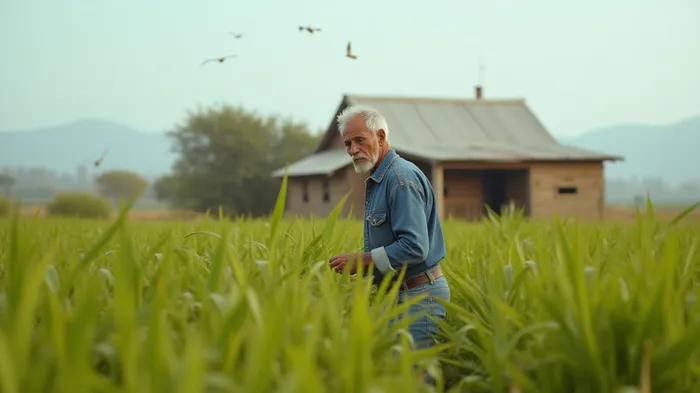
With 70% of prime farmland still held by white Namibians, land reform is central to socioeconomic stability. Successful redistribution could unlock vast agricultural potential, particularly in livestock (a €2.3 billion sector) and organic farming. Investors should monitor Namibia's Commercial Farmers' Union and National Planning Commission for policy shifts toward equitable land tenure systems.Infrastructure Boom: Bridging the Development Gap
Germany's development aid—when deployed effectively—could catalyze projects in transport, energy, and water infrastructure. The proposed €1.1 billion package, if redirected toward community-driven initiatives, could attract co-investment from ESG-focused funds targeting emerging markets. Sectors like solar energy (Namibia's solar potential is 3x the global average) and digital connectivity stand to benefit most.Heritage Tourism: Reconciling History and Profit
The designation of May 28 as Genocide Remembrance Day and ongoing efforts to memorialize victims create a unique tourism niche. Investors could capitalize on cultural preservation projects, such as restoring Shark Island (a former concentration camp) as a UNESCO site. This aligns with rising demand for “dark tourism” experiences that prioritize historical education.
The ESG Edge: Ethical Investing's Strategic Play
The Namibia-Germany talks underscore a global trend: post-colonial reconciliation is now a mainstream ESG issue. Funds that prioritize diversity, equity, and inclusion (DEI) in emerging markets are uniquely positioned to profit from this shift. Consider:
- ESG-Linked Bonds: Namibia could issue debt instruments tied to land reform milestones or Indigenous community participation in governance.
- Impact Funds: Capital targeting Indigenous-led enterprises in agriculture or tourism could yield both financial and reputational returns.
- Legal and Advisory Services: Firms specializing in historical claims and cross-border diplomacy are critical to navigating the complex negotiations.
Risks: The Cost of Prolonged Stalemates
The talks are far from guaranteed. Key risks include:
- Political Volatility: Germany's 2025 elections could shift its stance on reparations, especially if far-right parties gain influence.
- Community Backlash: Exclusion of Herero and Nama leaders from negotiations could spark protests, destabilizing investment climates.
- Legal Precedent: A binding reparations agreement might embolden claims from other former colonies, raising liability concerns for European firms.
Investment Call to Action
The window for early movers is narrowing. Investors should:
1. Deploy Capital in ESG Funds: Target funds like Impax Environmental Markets Fund or TIAA-CREF's Emerging Markets ESG ETF, which focus on post-colonial reconciliation.
2. Back Infrastructure Partnerships: Invest in joint ventures between German firms (e.g., Siemens Energy) and Namibian entities for renewable energy projects.
3. Engage in Heritage Development: Partner with NGOs like Cultural Survival to support Indigenous-led tourism ventures.
Conclusion: The New Geopolitical Frontier
The Namibia-Germany talks are not just about settling a historical debt—they are a blueprint for how nations can turn past wounds into pathways for growth. For ethical investors, this is a generational opportunity to align profit with purpose. The stakes are high, but the rewards for those who act decisively will be transformative.
Act now—or risk missing the dawn of a new era in emerging market diplomacy.







Comentarios
Aún no hay comentarios