
US Rep Emmer Pushes for Pro-Stablecoin Legislation, Rejects CBDCs
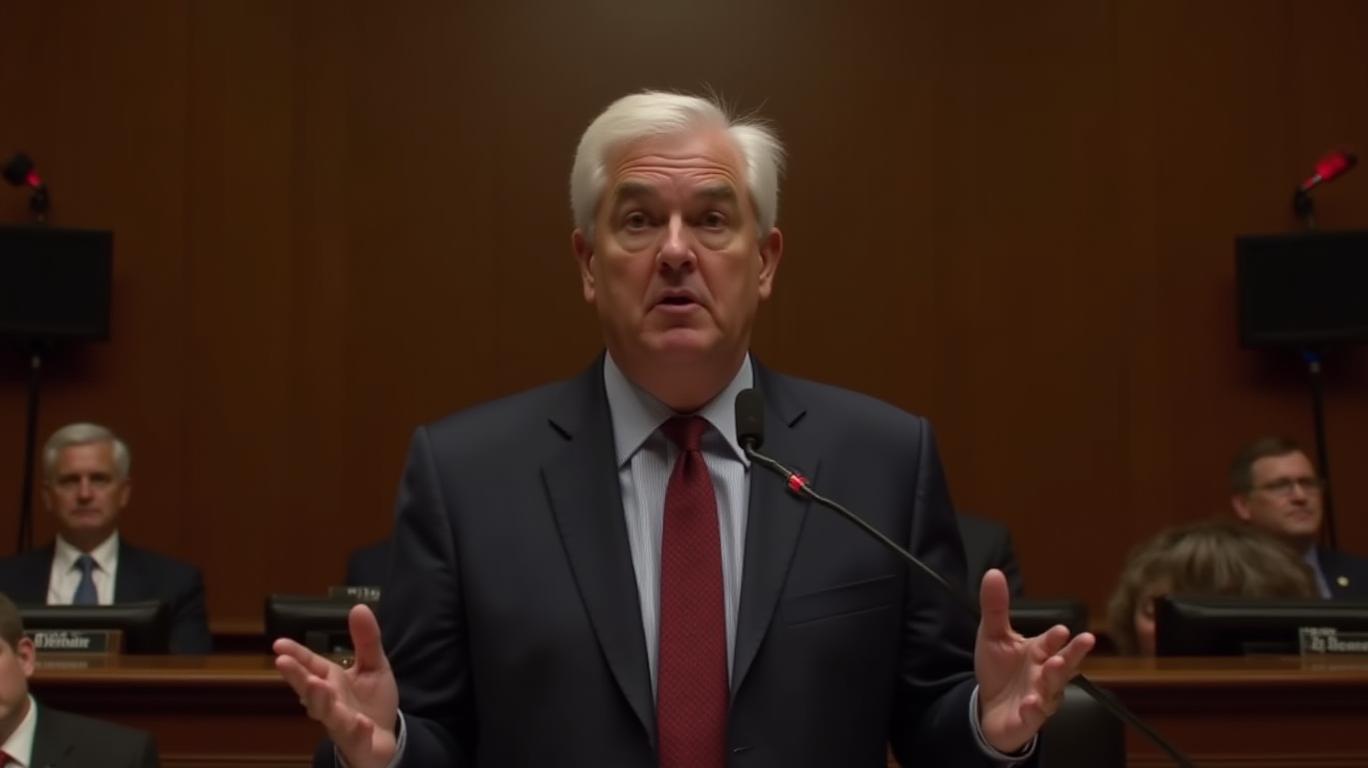
US Representative Tom Emmer has called for the prioritization of pro-stablecoin legislation and the rejection of central bank digital currencies (CBDCs) in a recent House Financial Services Committee hearing. Emmer's stance underscores a growing debate within the US political landscape regarding the future of digital currencies and their potential impact on American values and financial independence.
On March 6, Emmer reintroduced the CBDC Anti-Surveillance State Act in the House of Representatives. This legislation aims to prevent future administrations from launching a US CBDC without explicit approval from Congress. Emmer emphasized the importance of this legislation during the March 11 hearing, warning that CBDCs pose a significant threat to privacy and financial independence. He argued that allowing unelected bureaucrats to issue a CBDC could fundamentally alter the American way of life, describing CBDC technology as "inherently un-American."
Emmer's concerns are not unfounded. On January 23, President Donald Trump signed an executive order prohibiting the establishment, issuance, circulation, and use of a CBDC in the US. Emmer's legislation seeks to build on this executive order by providing a legislative framework that ensures future administrations cannot circumvent these restrictions. He highlighted the potential for CBDCs to be used as tools for financial surveillance against citizens, emphasizing the need for robust privacy protections.
During the same hearing, Paxos CEO Charles Cascarilla advocated for consistent stablecoin regulations across jurisdictions. Paxos, a major issuer of stablecoins, recommended clear guidelines and reciprocal rules with global regulators to avoid regulatory arbitrage. Cascarilla noted that having the same set of rules for all participants in the US market would create a "race to the top," rather than a "race to the bottom," ensuring that stablecoins can bring traditional finance onchain at a global scale while preserving privacy.
Emmer's criticism of CBDCs extends to their inherent privacy risks. He argued that stablecoins offer a more viable solution for integrating traditional finance with blockchain technology while maintaining privacy. This perspective aligns with his call for pro-stablecoin legislation to complement anti-CBDC measures, ensuring a balanced approach to digital currency regulation.
Against the backdrop of these developments, concerns have been raised about the growing political influence of crypto companies in the US. A report highlighted the significant financial contributions made by cryptocurrency firms to the 2024 US elections, raising questions about potential risks to regulatory stability. However, the focus remains on the need for clear and consistent regulations that protect privacy and financial independence while fostering innovation in the digital currency space.







Comentarios
Aún no hay comentarios