
Rental Market Downturn and Minimum Wage Dynamics: A Strategic Opportunity for Impact Investors in 2026
The U.S. rental market in 2025 is marked by stark regional divergences, with affordability challenges and minimum wage adjustments creating a complex landscape for impact investors. While the Northeast and Midwest grapple with persistent rent hikes due to supply shortages, the Sun Belt and Intermountain West face oversupply-driven declines. Simultaneously, minimum wage policies are evolving unevenly across states, amplifying income disparities and reshaping demand for affordable housing. For investors seeking to align capital with social impact, these dynamics highlight undervalued markets and sectors poised for growth in 2026.
Regional Market Divergence: Sun Belt and Intermountain West as Undervalued Opportunities
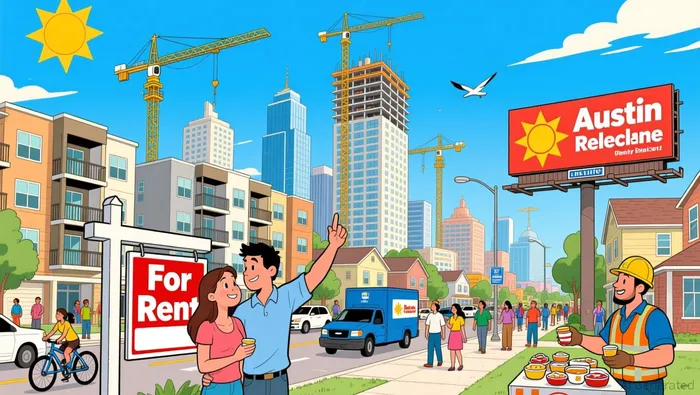
The Sun Belt and Intermountain West have emerged as key regions for impact investing, driven by an oversupply of rental units and moderating prices. In cities like Phoenix and Austin, rapid single-family construction has outpaced demand, . This oversupply, coupled with , signals a correction in markets that were once overheated. However, these regions remain attractive due to their strong job growth and population influx, which ensure long-term demand resilience.
Conversely, the Northeast and Midwest continue to face affordability crises. In New York and Detroit, rent increases persist as new construction lags behind population growth. Minimum wage adjustments in these regions further exacerbate the divide: while states like New York and Connecticut have raised wages , respectively, others, such as Pennsylvania and Indiana, according to workforce data. This disparity underscores the need for targeted investments in regions where wage growth and housing supply are misaligned.
: A Double-Edged Sword for Affordability
Minimum wage hikes in 2026 are set to outpace inflation in many states, with Arizona, Florida, , , , respectively. These increases aim to offset rising living costs but risk straining small landlords and developers, particularly in high-cost urban areas. For example, cities like Denver and Flagstaff have implemented localized wage floors , creating a regulatory environment where affordability pressures are likely to persist.
However, these adjustments also create opportunities for impact investors. As low-income households allocate a larger share of income to housing, demand for affordable rental options-particularly in Sun Belt markets-will rise. This trend aligns with the growing focus on workforce housing and single-family rentals, which are increasingly viewed as defensive assets in a volatile market.
Affordability-Driven Sectors: Preservation, Modular Construction, and Proptech
The 2026 investment landscape is defined by three key sectors:
1. Affordable Housing Preservation: in 2025, preservation of existing affordable housing stock has become a priority. Unlike new construction, which faces high costs and regulatory hurdles, preservation offers a faster, more cost-effective solution. The expansion of the Low-Income Housing Tax Credit through the One Big Beautiful Bill Act is unlocking capital for preservation deals, particularly in high-barrier markets.
2. Modular Construction: Off-site construction methods are gaining traction as a scalable solution to housing shortages. JPMorgan highlights modular construction as a way to reduce costs and timelines for affordable housing projects, making it an attractive option for investors seeking to capitalize on supply-side inefficiencies.
3. Proptech and Operational Sophistication: Institutional investors are increasingly prioritizing operational efficiency and technology adoption to reduce costs and improve tenant retention. Proptech solutions such as AI-driven property management and energy-efficient retrofits are critical for enhancing the financial viability of affordable housing portfolios.
and the Role of Public-Private Partnerships
Policy changes are amplifying the potential for impact-driven returns. The LIHTC program, , is being supplemented by second mortgage revolving loan funds and impact investment vehicles to bridge financing gaps. Additionally, zoning reforms and land-use policies in cities like Austin and Phoenix are encouraging medium-density housing development outside urban cores. These initiatives create a favorable environment for investors who can navigate regulatory complexity and collaborate with local governments.
Conclusion: A Strategic Imperative for Impact Investors
The interplay of rental market corrections, minimum wage adjustments, and affordability challenges in 2026 presents a unique window for impact investors. By targeting undervalued markets in the Sun Belt and Intermountain West and focusing on preservation, modular construction, and proptech-enabled operations, investors can generate both financial returns and social value. As institutional capital flows into these sectors-driven by policy tailwinds and a growing emphasis on ESG criteria-the next 12 months will likely see a redefinition of what constitutes a "high-impact" real estate investment.







Comentarios
Aún no hay comentarios