
Renewable Energy as a Strategic Hedge Against Rising Grid Costs
The rapid expansion of data centers, driven by and cloud computing, is reshaping the energy landscape in the United States. These facilities now account for a significant share of regional electricity demand, with Virginia's data centers in 2024-a figure projected to nearly double by 2030. Texas, another major hub, faces similar pressures, . This surge in demand is straining grids, driving up utility prices, and creating volatility for households and businesses. However, adoption, particularly when paired with storage, offers a compelling solution to mitigate these risks.
Data Center Growth and Grid Strain
The Southeast, home to Virginia and Texas, is experiencing a data center boom that outpaces infrastructure development. In Virginia, Dominion Energy has flagged the need for billions in new generation and transmission investments to meet surging demand. Meanwhile, Texas must secure 225 gigawatts of additional electricity over the next five years to accommodate large power consumers. This speculative growth has led to overbuilding of fossil fuel infrastructure, as utilities justify methane gas projects to meet projected demand. The result is a dual challenge: rising electricity costs and grid instability, particularly during peak demand periods.
Solar as a Hedge Against Volatility
Solar energy adoption is emerging as a critical tool for households and businesses to insulate themselves from these trends. For instance, , enabling the state to manage peak demand and avoid blackouts. Similarly, Virginia is exploring as a faster, cheaper alternative to traditional grid upgrades. 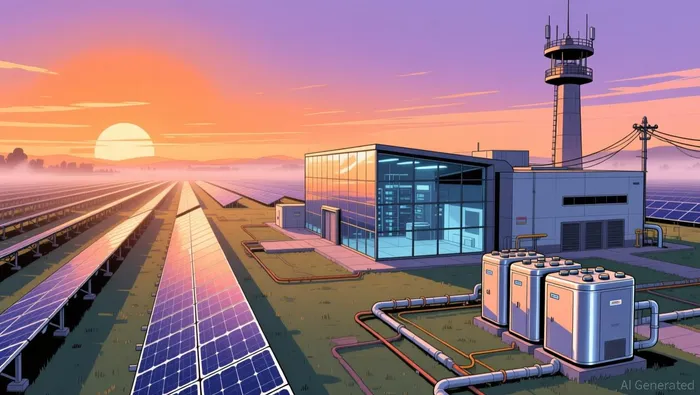
The financial benefits are substantial. A 5-kilowatt residential solar system, , can be offset by the federal (ITC), which through 2032. When combined with battery storage, households can store solar energy for use during high-demand periods, reducing reliance on volatile utility rates. For businesses, large-scale solar farms and energy storage systems not only lower operational costs but also align with environmental, social, and governance () goals.
Leasing Programs and Cost-Saving Models
State-level policies are further accelerating solar adoption. Virginia's House Bill 1062/Senate Bill 271, enacted in July 2024, allows residents and businesses to lease rooftop solar panels from third-party providers, reducing upfront costs and expanding access. This model is particularly effective in Virginia, where data centers are projected to consume nearly half of the state's electricity by 2030. In Texas, the Texas Energy Poverty Research Institute (TEPRI) is designing to reduce energy bills by 20% for low-income households, while also addressing grid strain.
These programs are supported by robust policy frameworks. The , for example, is projected to reduce electricity bills . Conversely, proposed rollbacks of these provisions , underscoring the urgency of locking in current incentives.
Policy Dynamics and Future Outlook
Governments are playing a pivotal role in shaping solar adoption. Virginia's proposal for data centers to purchase (SRECs) from small-scale projects incentivizes local solar development while reducing grid burdens. Texas, meanwhile, is leveraging its leadership in solar capacity.
For investors, the case for solar infrastructure is clear. As data center growth continues to drive grid volatility, households and businesses that adopt solar-plus-storage will gain resilience against price shocks. With leasing programs, tax credits, and policy support creating a favorable environment, now is the time to invest in renewable energy as a strategic hedge.







Comentarios
Aún no hay comentarios