
Renault's Low-Cost EV Revolution: A Game Changer for the Masses
Generado por agente de IAWesley Park
jueves, 16 de enero de 2025, 5:07 am ET1 min de lectura
AMP--
As the world shifts towards electric vehicles (EVs), one name that's been making waves is Renault. The French automaker has been on a mission to make electric mobility more accessible, and its low-cost brand, Dacia, is set to play a significant role in this revolution. Let's dive into the exciting future of Renault's low-cost EV strategy and explore the potential cost savings and economies of scale that could be achieved.
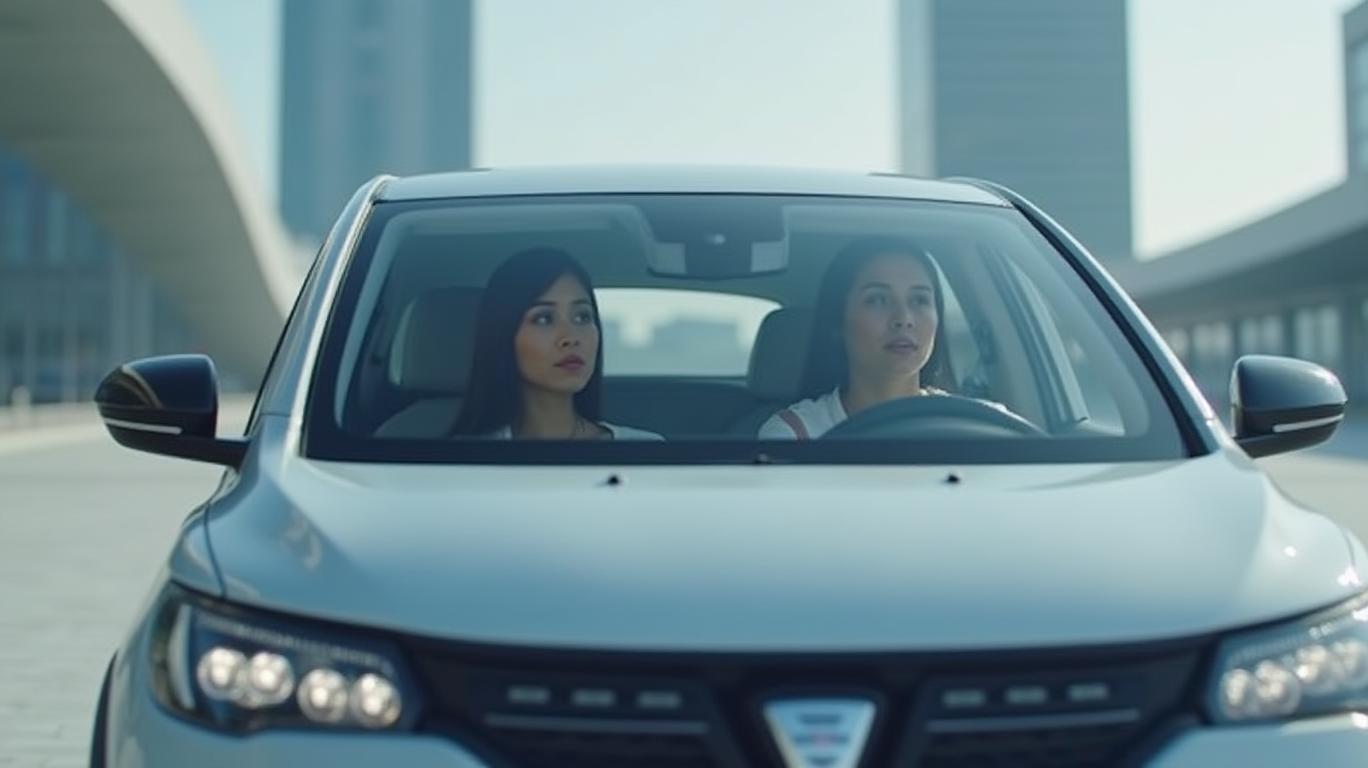
Renault's commitment to becoming a 100% electric brand in Europe by 2030 is no small feat, but with Dacia joining the EV fray, the company is well on its way to achieving this ambitious goal. By integrating EV technology into its low-cost brand, Renault can tap into a vast market of price-sensitive customers who are eager to make the switch to electric but may have been hesitant due to the higher upfront costs.
One of the key advantages of Renault's strategy is the potential for significant cost savings and economies of scale. By sharing platforms and components across its brands, Renault can reduce development costs and leverage its existing supply chain and infrastructure. For instance, Renault's dedicated electric platforms, AmpR Small and AmpR Medium, can be utilized by Dacia to create lighter, more efficient, and modern EVs at a lower cost.
Moreover, Renault's strategic partnerships in the field of electric vehicle batteries, such as the one with Envision AESC, can help drive down costs and make electric mobility more accessible. By integrating these batteries into Dacia models, Renault can take advantage of economies of scale and improve the affordability of its low-cost EVs.
Renault's collaboration with Chinese partners on electric vehicle development, such as the electric version of Twingo, can also help reduce development lead time and costs. This collaboration can be extended to Dacia models, further driving down costs and making electric vehicles more accessible to a broader range of customers.
As Renault continues to invest in electric vehicle technology and expand its EV offerings, it will be interesting to see how Dacia's market share in the EV segment evolves. With its focus on affordability and accessibility, Dacia has the potential to become a major player in the low-cost EV market, further accelerating the shift towards electric mobility.
In conclusion, Renault's strategy of adding more electric vehicles to its low-cost brand, Dacia, aligns perfectly with its goal of becoming a 100% electric brand in Europe by 2030. By expanding EV accessibility, meeting regulatory requirements, strengthening the EV ecosystem, and diversifying its portfolio, Renault is poised to lead the charge in the low-cost EV market. With potential cost savings and economies of scale, Renault's low-cost EV revolution is a game changer for the masses, making electric mobility more accessible than ever before.
TWIN--
As the world shifts towards electric vehicles (EVs), one name that's been making waves is Renault. The French automaker has been on a mission to make electric mobility more accessible, and its low-cost brand, Dacia, is set to play a significant role in this revolution. Let's dive into the exciting future of Renault's low-cost EV strategy and explore the potential cost savings and economies of scale that could be achieved.
Renault's commitment to becoming a 100% electric brand in Europe by 2030 is no small feat, but with Dacia joining the EV fray, the company is well on its way to achieving this ambitious goal. By integrating EV technology into its low-cost brand, Renault can tap into a vast market of price-sensitive customers who are eager to make the switch to electric but may have been hesitant due to the higher upfront costs.
One of the key advantages of Renault's strategy is the potential for significant cost savings and economies of scale. By sharing platforms and components across its brands, Renault can reduce development costs and leverage its existing supply chain and infrastructure. For instance, Renault's dedicated electric platforms, AmpR Small and AmpR Medium, can be utilized by Dacia to create lighter, more efficient, and modern EVs at a lower cost.
Moreover, Renault's strategic partnerships in the field of electric vehicle batteries, such as the one with Envision AESC, can help drive down costs and make electric mobility more accessible. By integrating these batteries into Dacia models, Renault can take advantage of economies of scale and improve the affordability of its low-cost EVs.
Renault's collaboration with Chinese partners on electric vehicle development, such as the electric version of Twingo, can also help reduce development lead time and costs. This collaboration can be extended to Dacia models, further driving down costs and making electric vehicles more accessible to a broader range of customers.
As Renault continues to invest in electric vehicle technology and expand its EV offerings, it will be interesting to see how Dacia's market share in the EV segment evolves. With its focus on affordability and accessibility, Dacia has the potential to become a major player in the low-cost EV market, further accelerating the shift towards electric mobility.
In conclusion, Renault's strategy of adding more electric vehicles to its low-cost brand, Dacia, aligns perfectly with its goal of becoming a 100% electric brand in Europe by 2030. By expanding EV accessibility, meeting regulatory requirements, strengthening the EV ecosystem, and diversifying its portfolio, Renault is poised to lead the charge in the low-cost EV market. With potential cost savings and economies of scale, Renault's low-cost EV revolution is a game changer for the masses, making electric mobility more accessible than ever before.

Divulgación editorial y transparencia de la IA: Ainvest News utiliza tecnología avanzada de Modelos de Lenguaje Largo (LLM) para sintetizar y analizar datos de mercado en tiempo real. Para garantizar los más altos estándares de integridad, cada artículo se somete a un riguroso proceso de verificación con participación humana.
Mientras la IA asiste en el procesamiento de datos y la redacción inicial, un miembro editorial profesional de Ainvest revisa, verifica y aprueba de forma independiente todo el contenido para garantizar su precisión y cumplimiento con los estándares editoriales de Ainvest Fintech Inc. Esta supervisión humana está diseñada para mitigar las alucinaciones de la IA y garantizar el contexto financiero.
Advertencia sobre inversiones: Este contenido se proporciona únicamente con fines informativos y no constituye asesoramiento profesional de inversión, legal o financiero. Los mercados conllevan riesgos inherentes. Se recomienda a los usuarios que realicen una investigación independiente o consulten a un asesor financiero certificado antes de tomar cualquier decisión. Ainvest Fintech Inc. se exime de toda responsabilidad por las acciones tomadas con base en esta información. ¿Encontró un error? Reportar un problema




Comentarios
Aún no hay comentarios