
Regulatory Volatility and Centralized Crypto Platforms: Binance's Ukraine Withdrawal Crisis
The cryptocurrency market in 2025 has been marked by a confluence of regulatory turbulence and operational fragility, epitomized by Binance's withdrawal crisis in Ukraine. This incident, while seemingly localized, exposes systemic vulnerabilities in centralized crypto infrastructure and underscores the precarious balance between innovation and oversight. For investors, the crisis serves as a stark reminder of how regulatory shifts in emerging markets can reverberate across global digital asset ecosystems.
Ukraine's Regulatory Landscape: A Tipping Point
Ukraine's evolving regulatory framework for virtual assets has been a focal point of scrutiny. As of September 2025, the country lacks a comprehensive, virtual asset-specific regime, despite classifying cryptocurrencies as digital property under its Civil Code according to a report. The proposed Bill No. 10225-d, introduced in April 2025, aims to align Ukraine with the EU's MiCA framework by imposing licensing requirements on virtual asset service providers (VASPs) and enforcing anti-money laundering (AML) and know-your-customer (KYC) standards. This legislative push reflects a broader global trend toward stricter oversight, yet the absence of a finalized framework has left gaps that centralized platforms like Binance exploit-or, in this case, are disrupted by.
The December 2025 suspension of hryvnia-based card transactions for crypto exchanges by Ukrainian authorities directly precipitated Binance's decision to halt card withdrawals for its users. This regulatory move, ostensibly aimed at curbing financial crime, highlights the tension between fostering innovation and ensuring compliance. For Binance, the fallout was immediate: a loss of convenience for users reliant on Visa and Mastercard withdrawals, forcing a pivot to peer-to-peer (P2P) transactions as an alternative according to community updates.
Immediate Market Impacts: A Test of Resilience
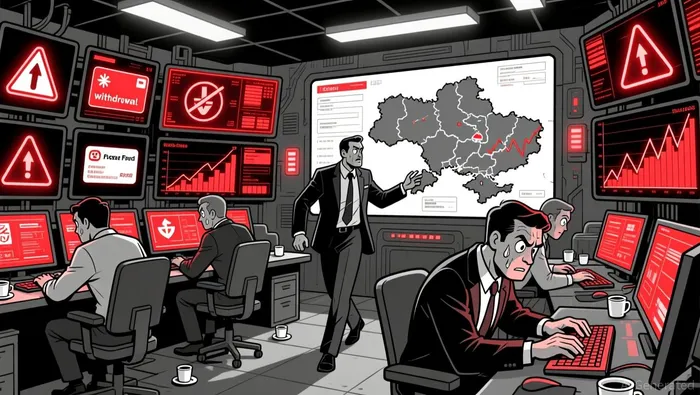
The withdrawal suspension disrupted user experience and amplified scrutiny on Binance's operational dependencies. According to a report by Coinlaw, the crisis stemmed from the regulatory shutdown of Binance's fiat service provider, Bifinity UAB, which temporarily paused card-based withdrawals while deposits and purchases remained functional. This incident exposed the fragility of centralized platforms' reliance on third-party infrastructure, particularly in jurisdictions with fluid regulatory environments.
Market reactions were swift. Total digital asset outflows surged to $3.2 billion since October 10, 2025, as uncertainty over regulatory stability eroded investor confidence. The crisis also intensified global regulatory scrutiny of Binance, which had already been navigating a complex web of legal challenges in 2025. For Ukrainian users, the suspension underscored the risks of depending on centralized custodians in a rapidly shifting regulatory landscape.
Systemic Risks and Infrastructure Vulnerabilities
The Ukraine crisis is not an isolated incident but a symptom of deeper structural weaknesses in crypto infrastructure. A 2025 report by TRM Labs notes that $150 billion in forced liquidations occurred in the cryptocurrency derivatives market, signaling heightened systemic risk. Centralized platforms, which dominate the market, are particularly vulnerable to operational and custody risks-risks that regulatory arbitrage and inconsistent global standards exacerbate.
The lack of a robust regulatory regime in Ukraine allowed VASPs to operate without stringent oversight, contributing to vulnerabilities in crypto custody systems. This aligns with broader concerns raised by the European Central Bank about the need for global consistency in stablecoin regulation to prevent financial crime and regulatory arbitrage. The North Korean hack of Bybit in early 2025, which exploited unregulated infrastructure, further illustrates the consequences of fragmented oversight.
Binance's crisis also highlights the limitations of centralized custody models. Unlike decentralized alternatives such as the Lightning Network-which Ukraine is exploring for low-cost, borderless transactions-centralized platforms remain exposed to regulatory interventions and third-party failures. For investors, this raises critical questions about the long-term viability of custodial models in a world where regulatory volatility is the norm.
Global Regulatory Shifts and Investor Implications
The Ukraine crisis coincided with a broader global regulatory realignment. The U.S., under the Trump administration, emerged as a leader in pro-crypto policy, while the EU and Singapore advanced frameworks like MiCA and the Digital Token Service Provider rules. These developments signal a shift toward institutional adoption but also underscore the challenges of harmonizing standards across jurisdictions.
For investors, the key takeaway is the need to assess both regulatory and operational risks when evaluating centralized platforms. Binance's Abu Dhabi licensing milestone, for instance, demonstrates the potential for regulatory agility but also highlights the company's reliance on geopolitical dynamics. Meanwhile, the push for stablecoin regulation and central bank digital currencies (CBDCs)-such as Ukraine's e-hryvnia initiative-points to a future where centralized and decentralized systems may coexist but remain subject to divergent regulatory pressures.
Conclusion: Navigating the New Normal
The Binance-Ukraine withdrawal crisis is a microcosm of the broader challenges facing the crypto industry. It underscores the fragility of centralized infrastructure in the face of regulatory volatility and the urgent need for global coordination in standards implementation. For investors, the incident reinforces the importance of diversifying exposure across custody models and jurisdictions while prioritizing platforms with transparent compliance frameworks.
As 2025 draws to a close, the crypto market stands at a crossroads. The path forward will require balancing innovation with resilience-a task that demands not only technological ingenuity but also regulatory foresight. In this evolving landscape, the lessons from Ukraine will linger as a cautionary tale of systemic risk and the perils of regulatory fragility.







Comentarios
Aún no hay comentarios