
Regulatory Risks in the Crypto Ecosystem and Their Impact on Investor Confidence: A Case Study of AntEx and NextTech
The cryptocurrency sector, once hailed as a bastion of innovation and decentralization, has increasingly become a battleground for regulatory scrutiny. High-profile fraud cases such as the AntEx and NextTech scandal in Vietnam underscore the systemic vulnerabilities in the crypto ecosystem and their corrosive impact on investor confidence. These cases reveal how unregulated markets, coupled with opaque project structures, create fertile ground for exploitation.
The AntEx/NextTech Collapse: A Blueprint for Systemic Risk
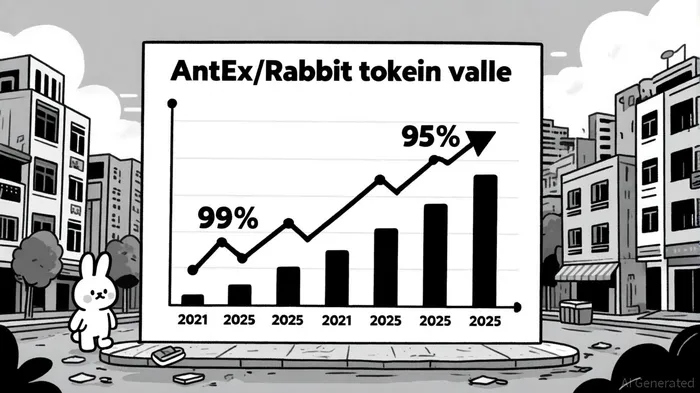
Launched in September 2021, the AntEx project promised a blockchain-based decentralized finance (DeFi) ecosystem. However, its token value plummeted by 99% within months, erasing investor holdings, according to a Hanoi police investigation. A rebranding to "Rabbit" in March 2023 with a 1,000:1 token conversion rate failed to reverse the trend, as a Deseret News report noted the new token lost 95% of its value. Nguyen Hoa Binh, chairman of NextTech Group and a prominent figure in Vietnam's tech scene, initially invested $2.5 million in AntEx through his Next100Blockchain fund and served as a strategic advisor, according to e.vnExpress reporting. Binh later claimed to be a victim, accusing the project's CTO of a "rug-pull" - a common scam tactic where developers drain liquidity and abandon a project.
The collapse of AntEx/Rabbit exemplifies how even projects backed by high-profile individuals can devolve into fraud. The project's ecosystem, including promised stablecoins and launchpad features, never materialized. By late 2025, Hanoi Police had raided NextTech's headquarters, seizing documents to investigate allegations of financial misconduct. This intervention followed a complaint from an investor who claimed to have lost $2,000 in the project.
Broader Market Implications and Regulatory Gaps
The AntEx case is notNOT-- an isolated incident. Vietnam has seen a proliferation of crypto scams, including Wingstep and Game Naga Kingdom, which defrauded investors of millions through fake NFTs and blockchain projects, as documented in a VietnamNet review. Similarly, PaynetCoin (PAYN) and Matrix Chain (MTC) operated as pyramid schemes, luring thousands with unrealistic returns. These cases highlight a pattern of exploitation in unregulated markets, where weak oversight allows bad actors to thrive.
Regulatory authorities in Vietnam have responded by vowing to investigate all complaints and publish findings. However, the lack of a comprehensive legal framework for crypto remains a critical vulnerability. The AntEx/Rabbit rebranding, for instance, exploited regulatory ambiguities to delay accountability. Investors were left with tokens that became effectively worthless, while the project's website and social media channels vanished.
Investor Confidence and the Path Forward
The erosion of trust in crypto projects has had tangible consequences. While the AntEx/Rabbit collapse did not trigger broad market declines in major cryptocurrencies, it amplified skepticism toward speculative tokens, as AkiraNews coverage showed. Social media platforms have since become arenas for calls to strengthen regulation, transparency, and investor education.
For regulators, the case underscores the need for proactive measures. A robust framework should include mandatory audits for crypto projects, clear definitions of fraudulent activities, and mechanisms for investor redress. For investors, the lesson is equally clear: due diligence is paramount. The involvement of figures like Nguyen Hoa Binh, who transitioned from investor to accused victim, illustrates how even seasoned participants can fall prey to crypto fraud.
Conclusion
The AntEx and NextTech scandal is a cautionary tale for the global crypto market. It reveals how regulatory gaps and market opacity can enable large-scale fraud, devastating investor trust. As governments grapple with how to balance innovation and oversight, the Vietnamese experience offers a stark reminder: without stringent regulation and education, the crypto ecosystem will remain a high-risk environment for retail and institutional investors alike.







Comentarios
Aún no hay comentarios