
Regulatory Risk in the Crypto Sector: How Corporate Mismanagement and Data Breaches Fuel Distrust and Crackdowns
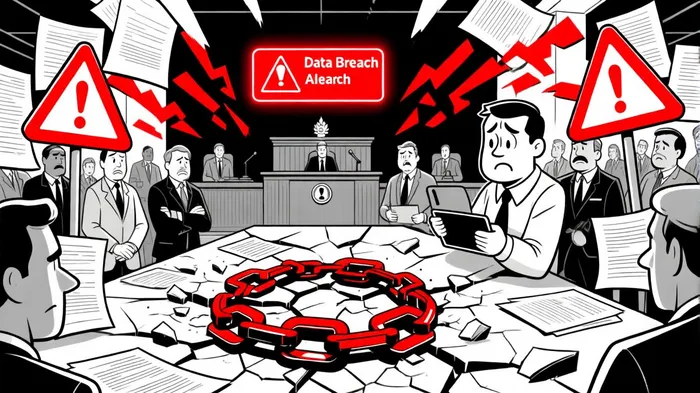
The cryptocurrency sector has long grappled with regulatory uncertainty, but recent events underscore how corporate mismanagement and data breaches can amplify investor distrust and trigger regulatory overreach. As the industry matures, the interplay between operational failures and evolving legal frameworks is reshaping risk profiles for investors. This analysis examines key cases from 2023 to 2025, highlighting how missteps by crypto firms have catalyzed regulatory scrutiny and eroded market confidence.
Data Breaches: A Catalyst for Regulatory Scrutiny
In 2023, Crypto.com faced a high-profile data breach involving a phishing attack by the hacking group Scattered Spider, which compromised an employee's account and exposed limited user data[1]. While the company claimed the breach was contained within hours and no funds were lost, critics like blockchain investigator ZachXBT alleged repeated intrusions and a cover-up[2]. This controversy highlights the tension between regulatory compliance and public transparency. Crypto.com reported the incident to regulators but did not confirm whether affected users were notified, raising questions about adherence to global standards like the EU's GDPR[3]. Such incidents not only damage brand trust but also invite investigations, as regulators increasingly prioritize cybersecurity oversight.
Corporate Mismanagement and SEC Enforcement Shifts
The U.S. Securities and Exchange Commission (SEC) has historically weaponized enforcement actions to shape the crypto landscape. However, 2025 marked a strategic pivot. The SEC dropped lawsuits against CoinbaseCOIN-- and Kraken without penalties, with Coinbase's CEO Brian Armstrong criticizing the prior approach as leveraging “ambiguous laws” to stifle innovation[4]. Similarly, the Ripple case—settled in August 2024—established a critical precedent: XRPXRP-- was deemed a security only in institutional sales, not in public exchanges[5]. This outcome clarified the Howey test's application but also exposed the SEC's inconsistent enforcement, which many argue created regulatory arbitrage and operational risks for firms.
Regulatory Uncertainty and Market Implications
The ripple effects of these cases extend beyond individual firms. The SEC's dismissal of cases against Gemini, Yuga Labs, and OpenSea signals a broader recalibration toward rule-based frameworks rather than ad hoc enforcement[6]. While industry leaders like Kraken's Dave Ripley welcome this shift, the legacy of past crackdowns remains. For instance, the Ripple litigation's prolonged uncertainty forced companies to navigate a patchwork of legal interpretations, increasing compliance costs and operational risks. Such instability discourages institutional investment, as seen in the post-breach fallout at Crypto.com, where user trust erosion coincided with volatile trading volumes[1].
Investor Risks and Strategic Considerations
For investors, the interplay of corporate governance and regulatory risk demands vigilance. Data breaches and mismanagement not only invite lawsuits but also amplify reputational damage, as seen in the aftermath of the 2023 Coinbase incident[2]. Meanwhile, regulatory shifts—such as the SEC's revised stance on mining pools and self-mining[4]—introduce new compliance layers. Investors should prioritize firms with robust cybersecurity protocols and transparent governance, while hedging against jurisdictional risks. For example, companies operating in GDPR-compliant regions may face fewer data breach-related penalties, mitigating regulatory exposure.
Conclusion
The crypto sector's regulatory landscape is evolving rapidly, driven by corporate missteps and shifting enforcement priorities. While the SEC's recent retreat from aggressive litigation offers short-term relief, the long-term solution lies in clear legislative frameworks. Investors must remain attuned to operational risks—such as data breaches—and regulatory trends, as both continue to shape the sector's trajectory. As the industry navigates this crossroads, transparency and proactive compliance will be critical to restoring trust and fostering sustainable growth.







Comentarios
Aún no hay comentarios