
Regulatory Reformulation: A Multibillion Opportunity in Consumer Goods
The U.S. food industry is at a crossroads. State-level regulations like Texas's SB 25 and California's additive bans are reshaping supply chains, forcing companies to innovate or risk obsolescence. With deadlines as early as 2027, this isn't a distant trend—it's an immediate investment call. Let's dissect the risks and opportunities.
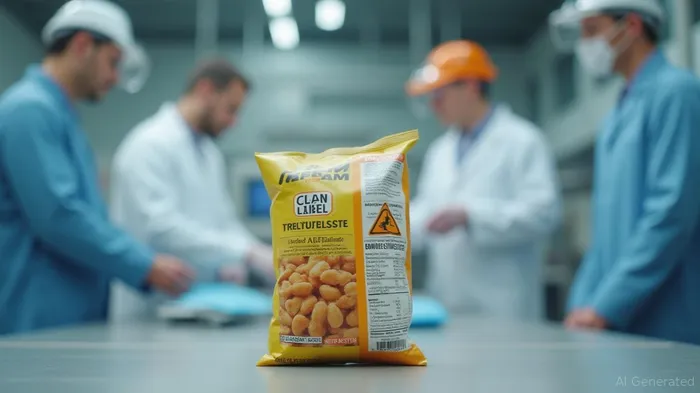
The Regulatory Catalyst: 2027 as a Tipping Point
Texas's SB 25 mandates warning labels by January 1, 2027, on products containing additives banned in major markets like the EU. Simultaneously, California's Food Safety Act bans four additives—red dye 3, propylparaben, BVO, and potassium bromate—by the same date. These laws are the vanguard of a national shift, with over 50 similar bills proposed in other states.
The urgency is clear: companies must reformulate or face penalties, lost market share, and reputational damage. . Early movers are already outperforming.
Investment Theme 1: Proactive Reformulators Lead the Pack
Companies that have already begun replacing synthetic additives with natural alternatives are positioning themselves as winners.
- Just Born (Peeps): Announced plans to remove red dye 3, a banned additive in California, by 2027. This aligns with EU standards, ensuring global market access.
- Keurig Dr Pepper: Voluntarily phased out BVO in Mountain Dew, demonstrating agility ahead of regulatory deadlines.
These firms are not just complying—they're preemptively capturing health-conscious consumers. Investors should prioritize companies with:
- Transparent ingredient roadmaps
- Partnerships with clean-label ingredient suppliers
- Strong R&D pipelines for natural alternatives
Investment Theme 2: The Risks of Lagging Behind
Companies delaying reformulation face a triple threat:
- Compliance Costs: Retrofitting factories and sourcing new ingredients adds operational expenses.
- Lost Market Share: California and TexasTX-- alone represent ~18% of the U.S. population. Firms unable to sell there risk losing billions in revenue.
- Litigation Risk: California's plaintiff-friendly legal environment could amplify penalties for non-compliance.
. The disparity is stark.
Investment Theme 3: The Clean-Label Supplier Boom
The demand for natural additives—like plant-based colorants or fermentation-derived preservatives—is skyrocketing.
- Tate & Lyle: A leader in natural sweeteners and thickeners, poised to benefit as companies ditch artificial additives.
- Ingredion: Investing in functional fiber and plant-based ingredients to meet rising demand.
This sector is a hidden gem: suppliers to reformulating giants can deliver 20-30% revenue growth through 2027.
The Regional Supply Chain Divide
Texas's labeling rules and California's additive bans are creating a two-tier supply chain:
- East Coast and Midwest: May continue using banned additives for now, but face eventual compliance costs.
- Coastal Markets: Already transitioning to “clean” formulations, setting a precedent for national standards.
This divergence is a buying signal for companies with regional flexibility and a clear path to nationwide reformulation.
Conclusion: Act Now or Pay Later
The 2027 deadlines are non-negotiable. Companies that embrace reformulation are not just surviving—they're future-proofing their brands. Laggards will face margin erosion, lost sales, and legal battles.
Investment Action Items:
1. Buy into reformulated product leaders like Just Born and Keurig Dr Pepper.
2. Invest in clean-label ingredient suppliers (Tate & Lyle, Ingredion) for outsized growth.
3. Short companies with delayed compliance plans or high exposure to banned additives.
The clock is ticking. Regulatory reformulation isn't a threat—it's a generational opportunity.
. The gap is widening—don't miss the boat.







Comentarios
Aún no hay comentarios