
Regulatory Innovation and the Future of Sustainable Energy Tokens: How SEC No-Action Relief Could Catalyze DeFi-Enabled Infrastructure Growth
The Current Regulatory Landscape: Enforcement Over Relief
In 2025, the SEC's focus has remained on enforcement rather than granting no-action relief. For instance, the Office of Foreign Assets Control (OFAC) lifted sanctions on Tornado Cash but continued aggressive actions against entities linked to North Korea's Lazarus Group and other high-risk actors. These enforcement pathways-ranging from civil actions to criminal prosecutions-highlight the SEC's prioritization of anti-money laundering (AML) compliance over creating exemptions for innovative projects according to reports.
Legislative efforts, such as the Democratic DeFi proposal, further underscore this trend. The proposal seeks to apply existing securities market requirements to DeFi platforms, mandating registration with the SEC or CFTC and strict Know-Your-Customer (KYC) protocols. While this approach aims to close regulatory gaps, it risks stifling innovation by imposing compliance burdens on decentralized platforms. Notably, the proposal grants the Treasury Department authority to assess a project's decentralization, potentially complicating the development of open-source energy token ecosystems.
European Regulatory Frameworks as a Blueprint
In contrast, European regulatory frameworks like the Markets in Crypto-Assets Regulation (MiCA), the Digital Operational Resilience Act (DORA), and the NIS2 Directive are reshaping DeFi's operational landscape. These regulations emphasize transparency, cybersecurity, and operational resilience, creating a structured environment for DeFi projects to thrive. For example, MiCA's requirements for stablecoin issuers and tokenized assets align with the needs of sustainable energy projects, which often rely on tokenizing renewable energy production or real estate according to analysis.
DORA's focus on third-party risk management and stress testing further supports DeFi platforms by ensuring they can withstand disruptions-a critical factor for energy infrastructure projects that depend on stable, secure networks according to experts. Meanwhile, NIS2's cybersecurity mandates, such as endpoint encryption and multi-signature authentication, address vulnerabilities in blockchain networks, enhancing trust among institutional investors according to industry reports.
DeFi-Enabled Sustainable Energy: A Growing Ecosystem
DeFi's potential to democratize access to capital is particularly evident in sustainable energy. Platforms are already tokenizing solarSXP-- energy production and creating decentralized marketplaces for renewable energy certificates (RECs), enabling broader participation in green finance according to case studies. For instance, DeFi applications allow individuals to invest in solar farms or wind projects via tokenized shares, bypassing traditional intermediaries and reducing costs.
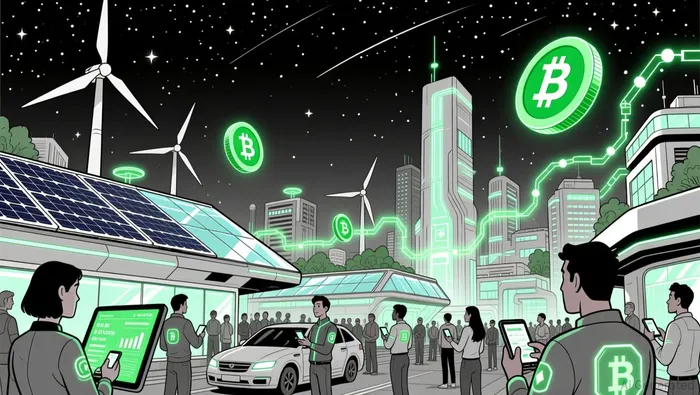
However, the absence of SEC no-action relief creates uncertainty. Projects must navigate a patchwork of state and federal regulations, often deterring institutional participation. This is where regulatory innovation-such as targeted no-action relief-could unlock value. By exempting certain sustainable energy tokens from securities laws, the SEC could accelerate infrastructure deployment while maintaining investor protections.
Advocacy and the Path to Regulatory Relief
Advocacy groups are actively pushing for regulatory relief. The Blockchain Association and DeFi Education Fund, for example, have challenged IRS rules that impose compliance burdens on DeFi participants, arguing they violate the Administrative Procedures Act. These legal battles highlight the tension between regulatory oversight and innovation, with outcomes potentially influencing the SEC's approach to no-action relief.
Moreover, the appointment of figures like Paul Atkins, Trump's nominee for SEC chairman, signals a possible shift in regulatory priorities. Atkins' background in crypto compliance and his ties to the energy sector suggest a nuanced understanding of the intersection between DeFi and infrastructure according to industry analysis. If the SEC adopts a more flexible stance, it could spur a wave of sustainable energy token projects, particularly in states like Texas, where blockchain-friendly policies are already fostering growth according to market reports.
Investment Implications
For investors, the key takeaway is that regulatory clarity-not just no-action relief-will drive DeFi-enabled energy infrastructure growth. Projects that align with emerging frameworks (e.g., MiCA, DORA) and demonstrate compliance with AML/KYC standards are better positioned to attract capital. Additionally, platforms leveraging DeFi for ESG-aligned investments, such as tokenized solar farms or carbon credit markets, offer high-growth potential as global demand for sustainable assets rises.
While the SEC's current focus remains on enforcement, the evolving regulatory landscape-coupled with advocacy efforts-suggests that no-action relief for sustainable energy tokens could emerge as a pivotal catalyst. Investors who anticipate this shift and position themselves in compliant, innovative projects stand to benefit from the next phase of the clean energy transition.







Comentarios
Aún no hay comentarios