
Regulatory Catalysts Propelling In-Flight Connectivity: A Strategic Investment Outlook
The in-flight connectivity (IFC) market is undergoing a transformative phase, driven by regulatory milestones that are dismantling technical and procedural barriers to adoption. For investors, the interplay between policy innovation and technological advancement presents a compelling case for strategic allocation. This analysis examines how recent regulatory actions in the U.S., EU, and Asia-Pacific regions are accelerating IFC infrastructure growth, creating a fertile ground for long-term value creation.
U.S.: FAA's Dual-Track Approach to Connectivity and Advanced Air Mobility
The Federal Aviation Administration (FAA) has emerged as a pivotal enabler of IFC expansion through targeted certifications and forward-looking initiatives. A landmark development in 2024 was Gogo's STC approval for its C1 line replaceable unit (LRU), a critical bridge for legacy air-to-ground (ATG) customers transitioning to next-generation LTE networks. This certification, covering 42 aircraft models, underscores the FAA's commitment to ensuring backward compatibility while fostering innovation.
Simultaneously, the FAA's Electric Vertical Takeoff and Landing Integration Pilot Program (eIPP), described in the FAA eIPP announcement, is fast-tracking the integration of eVTOL and advanced air mobility (AAM) technologies into the national airspace. By prioritizing public-private partnerships, the FAA is not only streamlining safety protocols but also creating a regulatory sandbox for IFC providers to test hybrid connectivity solutions that merge satellite and 5G networks. These dual efforts position the U.S. as a global leader in IFC infrastructure, with the potential to capture a disproportionate share of the $50 billion global market by 2030.
EU: Digital Transformation of Certification Processes
The European Union Aviation Safety Agency (EASA) is redefining regulatory efficiency through a fully digital approval system, a move that directly addresses the fragmented and costly certification landscape for IFC technologies. The transition to EASA approvals as a digital-only product approval mechanism enables real-time third-party verification of data, reducing delays that historically stifled market entry. This shift aligns with the EU's broader digital sovereignty agenda and is expected to lower barriers for smaller IFC providers, fostering competition and innovation.
For instance, the digitalization of approvals has already expedited the deployment of Low Earth Orbit (LEO) satellite systems, such as those from OneWeb, which are critical for achieving the EU's goal of universal in-flight broadband by 2027. Investors should note that EASA's approach not only accelerates infrastructure rollouts but also enhances transparency, a key factor in attracting institutional capital to the sector.
Asia-Pacific: Spectrum Liberalization and Hybrid Connectivity Models
The Asia-Pacific region is witnessing a regulatory renaissance in IFC, driven by spectrum liberalization and the adoption of hybrid connectivity architectures. According to a Deloitte report, regulators across the region have opened additional spectrum bands for satellite operators, enabling higher data throughput and expanded coverage for long-haul flights. This is particularly significant for markets like India and Southeast Asia, where demand for in-flight entertainment and internet access is surging post-pandemic.
A parallel trend is the rise of hybrid systems that integrate 5G, satellite, and ATG technologies to ensure seamless connectivity across diverse flight paths. For example, Chinese eVTOL developer AutoFlight has collaborated with regional regulators to pilot these models, leveraging recently issued eVTOL guidance and the region's existing 5G infrastructure to reduce latency and costs. While challenges such as airport capacity constraints and staffing shortages persist, the regulatory tailwinds are creating a "connectivity corridor" that could outpace other regions in adoption rates.
Investment Implications and Strategic Considerations
The regulatory milestones outlined above are not isolated events but part of a coordinated global effort to standardize IFC infrastructure. For investors, this signals a shift from speculative bets to capitalizing on de-risked opportunities. Key sectors to target include:
1. Satellite Network Providers: Companies like GogoGOGO-- and OneWeb, which are leveraging regulatory approvals to expand LTE and LEO capabilities.
2. Certification and Compliance Firms: Entities that assist IFC providers in navigating digital certification processes, particularly in the EU.
3. Hybrid Connectivity Solutions: Startups and established players developing 5G-satellite integration technologies for the Asia-Pacific market.
Conclusion
Regulatory innovation is the linchpin of the IFC market's next phase of growth. By aligning with agencies that prioritize digitalization, spectrum access, and public-private collaboration, investors can position themselves at the forefront of a $50 billion industry. The U.S., EU, and Asia-Pacific each offer distinct but complementary opportunities, with the common thread being proactive regulation that turns technical potential into commercial reality.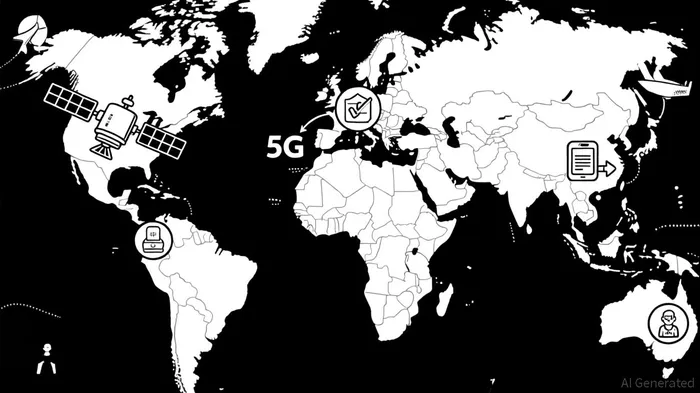







Comentarios
Aún no hay comentarios