
Regional Grocery Chains Demonstrate Resilience in 2024 Thanksgiving Season: A Deep Dive into Labor Innovations and Consumer Behavior Shifts
Operational Adaptations: Convenience and Cost-Driven Strategies
Regional grocery chains have recalibrated their offerings to align with the hybrid approach to holiday meal preparation. According to a report by FMI, sales of retail foodservice prepared foods rose by 1.4% in 2024, reaching $50.9 billion, with 13% of shoppers planning to purchase more prepared items than in the previous year. This trend reflects a growing consumer preference for balancing convenience with cost savings, particularly as households seek to reduce time spent on traditional cooking.
To further appeal to budget-conscious shoppers, chains like Aldi and KrogerKR-- introduced bundled meal deals. Aldi's $40 meal-for-10 package and Kroger's under-$50 store-brand menu exemplify a strategic shift toward value-driven promotions. These initiatives not only stabilize sales but also mitigate the impact of rising input costs, such as those driven by avian flu-related disruptions in turkey production. Despite a 40-year low in turkey flock numbers, many retailers maintained or even reduced retail turkey prices to cushion consumers.
Supply Chain Resilience: Technology and Strategic Sourcing
The 2024 holiday season also highlighted the role of advanced supply chain management in bolstering retail resilience. Grocery chains have increasingly adopted AI for demand forecasting, inventory optimization, and space planning, reducing waste while improving profit margins. For instance, AI-powered systems enabled real-time adjustments to inventory levels during peak shopping periods, ensuring product availability without overstocking.
Additionally, grocers are diversifying sourcing strategies to counteract logistical challenges. A shift toward nearshoring, with increased procurement from Mexico, Vietnam, and India, has helped mitigate the impact of rising tariffs and shipping costs. These efforts, combined with strengthened supplier relationships and enhanced supply chain visibility tools, have positioned regional chains to respond swiftly to disruptions.
Labor Trends: Automation and Workforce Optimization
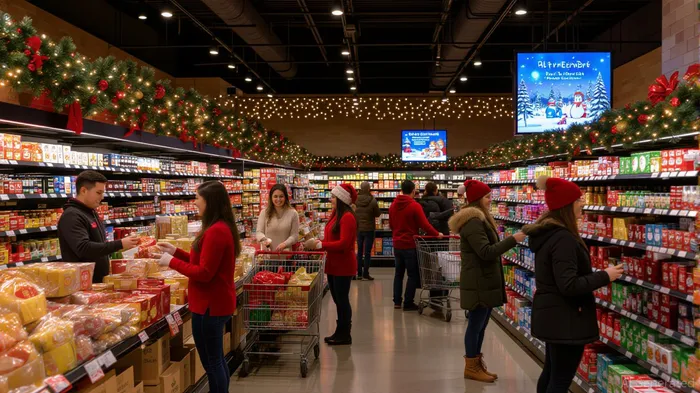
Labor management emerged as a critical factor in regional grocery chains' ability to maintain service quality during the 2024 Thanksgiving rush. Automated labor management systems, such as those offered by TimeForge, optimized staffing by analyzing real-time sales data and historical trends, reducing labor costs by up to 15% and minimizing scheduling errors. These tools proved indispensable during high-traffic periods, enabling dynamic allocation of staff to checkout lanes, deli counters, and customer service desks.
While automation addressed efficiency gaps, grocers also focused on workforce retention. Employee turnover in the grocery sector declined from 65% in 2022 to 48% in 2024, driven by investments in training, flexible scheduling, and enhanced benefits. Kroger, for example, mandated a return to in-office work for remote corporate employees, aiming to strengthen collaboration and support store operations. However, competition for skilled labor remains intense, particularly in states like Texas and California, where warehouse wages averaged $19.05 per hour (https://integritystaffing.com/news/warehouse-labor-market-report/).
Consumer Behavior: Frugality Meets Tradition
Consumer foot traffic patterns during Thanksgiving 2024 revealed a nuanced picture of spending behavior. While 11% of shoppers opted out of holiday celebrations due to financial constraints, those who participated prioritized cost-saving measures. A survey by the Wells Fargo Agri-Food Institute found that substituting store-brand products for name-brand alternatives could save $17 for a 10-person meal. This pragmatic approach was reflected in regional pricing trends: the overall cost of a Thanksgiving dinner for 10 declined by 5% in 2024, with turkey prices dropping 16% (https://www.fb.org/news-release/cost-of-thanksgiving-dinner-declines). However, produce items like sweet potatoes and vegetable trays saw sharp increases due to hurricane damage and labor shortages in agriculture (https://www.fb.org/news-release/cost-of-thanksgiving-dinner-declines).
Investment Implications
The resilience of regional grocery chains during Thanksgiving 2024 underscores their adaptability in a volatile economic landscape. Key takeaways for investors include:
1. Operational Innovation: Chains that integrate AI-driven supply chain tools and automated labor systems are better positioned to manage costs and maintain service quality.
2. Consumer-Centric Pricing: Competitive bundling and store-brand promotions have proven effective in retaining price-sensitive shoppers, a trend likely to persist.
3. Labor Strategy: Investments in workforce development and automation are critical for long-term stability, particularly as labor markets remain competitive.
While challenges such as agricultural labor shortages and regional price volatility persist, the strategic responses of regional grocers demonstrate a capacity to navigate uncertainty. For investors, these chains represent a compelling case study in retail resilience, blending technological agility with a deep understanding of evolving consumer needs.





Comentarios
Aún no hay comentarios