
Reeves' Tax Strategy Shift: Implications for UK Equities and Public Trust
A Tax Strategy Built on Fragile Foundations
Reeves' most contentious move involves the Motability scheme, a program that allows disabled individuals to lease cars using their personal independence payments. The chancellor plans to eliminate £300 million in tax breaks by imposing an insurance premium tax and charging VAT on advance payments for higher-value vehicles. While these changes aim to reduce public spending, they risk destabilizing a scheme already under political fire for being mischaracterized as a "free car" benefit. Critics argue that the reforms disproportionately burden vulnerable participants, with disability groups warning of reduced mobility and financial strain according to reports.
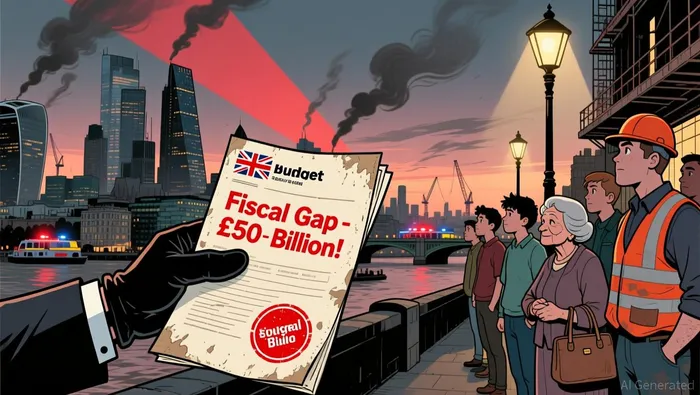
Complementing these changes is a proposed tourist tax, granting cities like London the power to levy charges on overnight stays. While this could generate revenue for local authorities, it risks deterring tourism-a sector still recovering from post-pandemic volatility. These measures, however, appear disconnected from broader fiscal goals, as they fail to address the root causes of the £50 billion shortfall.
Fiscal Risks and Market Volatility
The Treasury's pivot from a broad-based income tax hike to a series of smaller, targeted tax increases has exacerbated market skepticism. According to a report by Reuters, Reeves' U-turn on income tax plans triggered a selloff in gilts, with yields spiking as investors questioned the government's commitment to fiscal discipline. The bond market's reaction underscores a critical risk: deviations from clear fiscal rules can erode confidence in the UK's ability to manage public finances, potentially increasing borrowing costs and slowing growth.
Equity markets are also bracing for sector-specific shocks. The FTSE 250, which includes domestic-focused companies, faces heightened vulnerability due to proposed property taxes and council tax revaluations. Analysts at Morningstar warn that a "mansion tax" could disrupt real estate transactions and dampen investor sentiment, particularly in a market already grappling with affordability crises. Meanwhile, UK banks may face margin pressures from higher insurance premiums and VAT adjustments, compounding existing challenges from interest rate normalization.
Public Trust in Free Fall
Perhaps the most alarming consequence of Reeves' strategy is the erosion of public trust. Polls indicate that only 9% of Britons view her as performing well in office, a stark contrast to the 61% who disapprove. This decline is fueled by mixed messaging with Prime Minister Keir Starmer and a lack of clarity on how the fiscal gap will be closed. The Office for Budget Responsibility (OBR) has yet to provide an independent assessment of the strategy's viability, leaving voters and businesses in limbo.
The government's communication challenges are further compounded by internal Labour Party divisions. Left-leaning MPs have resisted spending cuts and tax hikes that could alienate core voters, while fiscal hawks demand stricter adherence to self-imposed rules according to reports. This fragmentation risks deepening public cynicism, particularly among groups already skeptical of Labour's economic stewardship.
A Make-or-Break Moment for Governance Credibility
Reeves' budget represents a pivotal test of her ability to balance fiscal responsibility with social equity. While the proposed measures aim to address immediate deficits, they lack the coherence and long-term vision needed to restore market confidence. The IMF's Fiscal Monitor emphasizes that successful reforms require strategic design, transparent communication, and robust safety nets-elements conspicuously absent in the current strategy according to analysis.
For UK equities, the path forward hinges on whether Reeves can convince investors that her approach will stabilize public finances without stifling growth. However, with bond yields already rising and public trust at historic lows, the window for fiscal credibility is narrowing. If the government fails to articulate a coherent plan, the fallout could extend beyond markets, undermining the very legitimacy it seeks to reinforce.







Comentarios
Aún no hay comentarios