
Reefer Market Tightens: Opportunities and Risks for Investors
Generado por agente de IAWesley Park
miércoles, 4 de diciembre de 2024, 2:06 pm ET1 min de lectura
CMA--
The reefer container market, a crucial component of global logistics, is showing signs of tightening. As tender rejection rates rise, particularly on the West Coast, shippers and carriers alike are feeling the pinch. This article delves into the recent trends, potential impacts, and investment opportunities within this dynamic sector.
The reefer container market's tightening is most evident on the West Coast, where tender rejection rates have surged. This trend coincides with the seasonal movement of certain crops, signaling increased demand for refrigerated containers. As carriers manage capacity downward by blanking sailings, the Ocean TEU Rejection Index has reached a six-month high, indicating a regional capacity crunch. This market tightening is expected to persist through the peak season for certain crops.
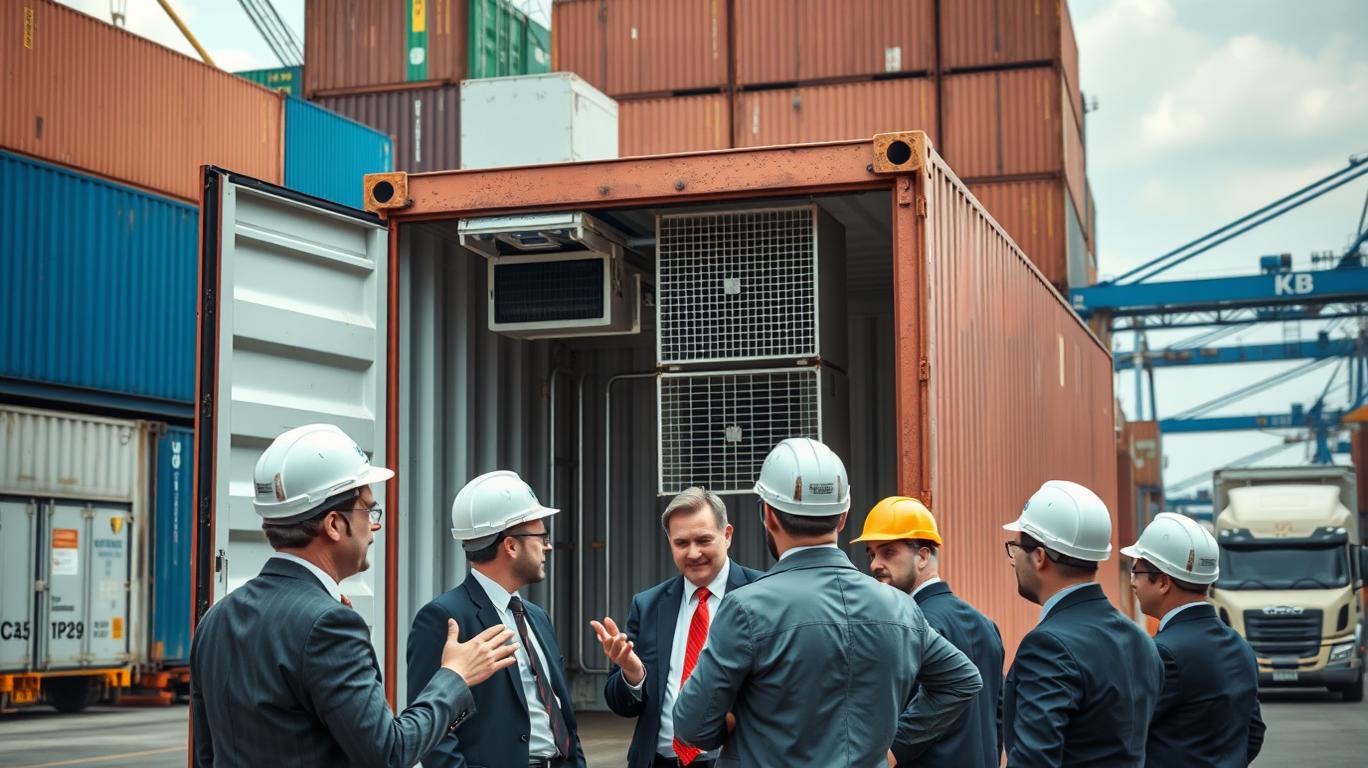
The normalization of China-to-US ocean spreads supports the view of a tightening reefer market. While this trend may lead to increased competition for reefer container capacity and potential price increases, it also presents opportunities for savvy investors.
Companies with a strong focus on reefer containers, such as Ocean Network Express Pte. Ltd., CMA CGM Group, and SeaCube Containers LLC, are well-positioned to capitalize on this trend. Their commitment to technological advancements, remote monitoring, and IoT integration in reefer containers enhances their sales and market share. By investing in these companies before peak seasons, investors can potentially ride the wave of increased demand for reefer containers.
However, the seasonality of the reefer market demand should be taken into account. During peak seasons, reefer containers are in high demand, driving up rejection rates and spreads. To mitigate seasonal risks, investors can consider diversifying their portfolio across industries that heavily rely on reefer containers, such as food, pharmaceuticals, and chemicals.
In conclusion, the recent tightening of the reefer container market presents both opportunities and risks for investors. By understanding the trends and seasonal patterns, investors can make informed decisions and capitalize on the increasing demand for reefer containers. Diversifying the portfolio and investing in companies with a strong focus on reefer container technologies can help mitigate seasonal risks and reward investors with steady performance. As always, it's essential to maintain a balanced portfolio, combining growth and value stocks, to weather market fluctuations and maximize returns.
ILPT--
IOT--
OCEA--
The reefer container market, a crucial component of global logistics, is showing signs of tightening. As tender rejection rates rise, particularly on the West Coast, shippers and carriers alike are feeling the pinch. This article delves into the recent trends, potential impacts, and investment opportunities within this dynamic sector.
The reefer container market's tightening is most evident on the West Coast, where tender rejection rates have surged. This trend coincides with the seasonal movement of certain crops, signaling increased demand for refrigerated containers. As carriers manage capacity downward by blanking sailings, the Ocean TEU Rejection Index has reached a six-month high, indicating a regional capacity crunch. This market tightening is expected to persist through the peak season for certain crops.
The normalization of China-to-US ocean spreads supports the view of a tightening reefer market. While this trend may lead to increased competition for reefer container capacity and potential price increases, it also presents opportunities for savvy investors.
Companies with a strong focus on reefer containers, such as Ocean Network Express Pte. Ltd., CMA CGM Group, and SeaCube Containers LLC, are well-positioned to capitalize on this trend. Their commitment to technological advancements, remote monitoring, and IoT integration in reefer containers enhances their sales and market share. By investing in these companies before peak seasons, investors can potentially ride the wave of increased demand for reefer containers.
However, the seasonality of the reefer market demand should be taken into account. During peak seasons, reefer containers are in high demand, driving up rejection rates and spreads. To mitigate seasonal risks, investors can consider diversifying their portfolio across industries that heavily rely on reefer containers, such as food, pharmaceuticals, and chemicals.
In conclusion, the recent tightening of the reefer container market presents both opportunities and risks for investors. By understanding the trends and seasonal patterns, investors can make informed decisions and capitalize on the increasing demand for reefer containers. Diversifying the portfolio and investing in companies with a strong focus on reefer container technologies can help mitigate seasonal risks and reward investors with steady performance. As always, it's essential to maintain a balanced portfolio, combining growth and value stocks, to weather market fluctuations and maximize returns.

Divulgación editorial y transparencia de la IA: Ainvest News utiliza tecnología avanzada de Modelos de Lenguaje Largo (LLM) para sintetizar y analizar datos de mercado en tiempo real. Para garantizar los más altos estándares de integridad, cada artículo se somete a un riguroso proceso de verificación con participación humana.
Mientras la IA asiste en el procesamiento de datos y la redacción inicial, un miembro editorial profesional de Ainvest revisa, verifica y aprueba de forma independiente todo el contenido para garantizar su precisión y cumplimiento con los estándares editoriales de Ainvest Fintech Inc. Esta supervisión humana está diseñada para mitigar las alucinaciones de la IA y garantizar el contexto financiero.
Advertencia sobre inversiones: Este contenido se proporciona únicamente con fines informativos y no constituye asesoramiento profesional de inversión, legal o financiero. Los mercados conllevan riesgos inherentes. Se recomienda a los usuarios que realicen una investigación independiente o consulten a un asesor financiero certificado antes de tomar cualquier decisión. Ainvest Fintech Inc. se exime de toda responsabilidad por las acciones tomadas con base en esta información. ¿Encontró un error? Reportar un problema


SOBRE NOSOTROS
Nuestra historiaAutores de noticiasBase de conocimientosPolítica de privacidadTérmino de usoDescargo de responsabilidad de corretaje de tercerosTérminos de uso de AIMEDivulgaciones de riesgos de AInvest AICarrerasCONTÁCTENOS
Email: support@ainvest.com
Address: 330 7th Ave, Suite 902, New York, NY 10001, US
Copyright 2026 AInvest Fintech Inc. All rights reserved.


Comentarios
Aún no hay comentarios