
Redbook Sales Show Resilience Amid Tariff Turbulence: What Investors Need to Watch
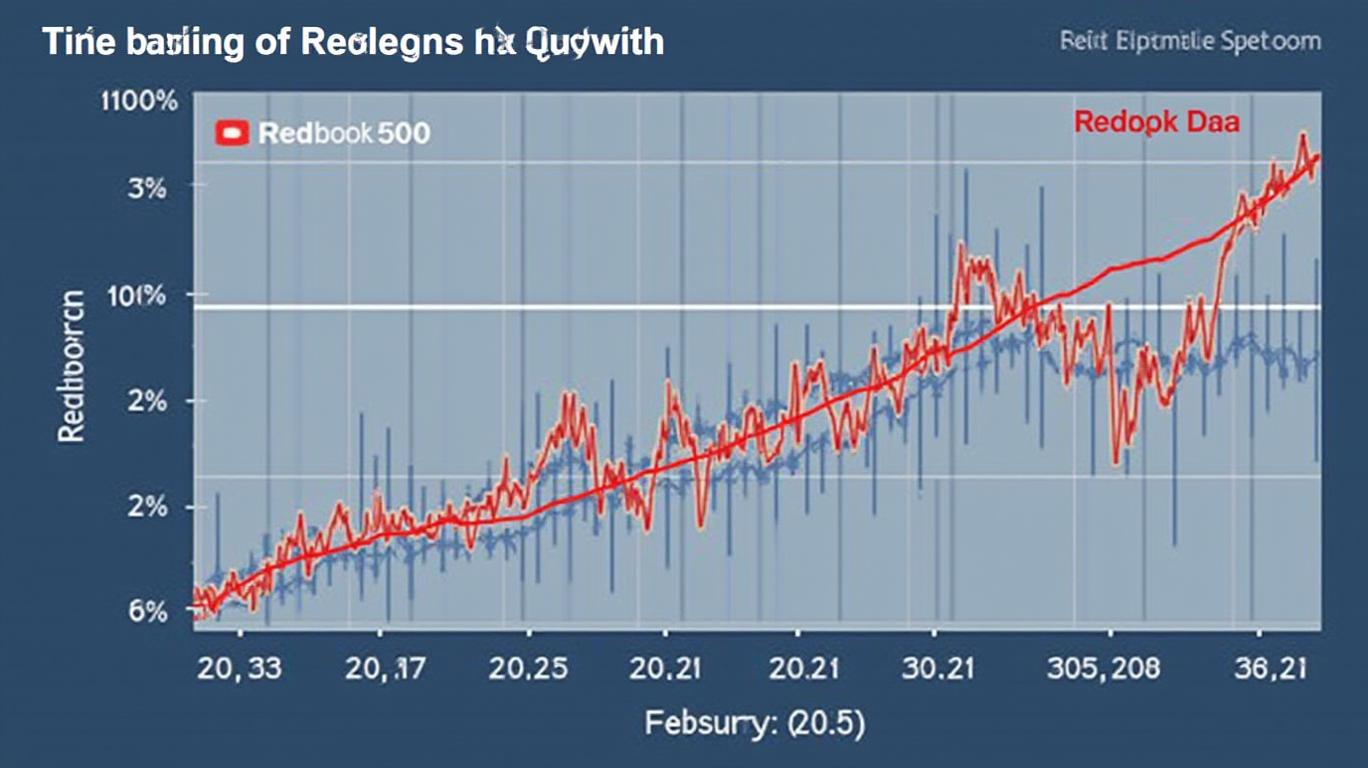
The Redbook Same-Store Sales Index rose 6.6% year-over-year in the week ending April 12, marking a slight deceleration from the prior week’s 7.2% gain. While the figure remains robust compared to historical trends—April 2023’s YoY growth was just 1.8%—the data underscores a fragile balancing act between short-term consumer resilience and the looming pressures of inflation, tariffs, and policy uncertainty.
A Mixed Picture of Consumer Strength
The April 12 Redbook result reflects a continuation of early 2025’s uneven retail landscape. The 6.6% gain aligns with recent trends where front-loaded consumer spending—driven by fears of tariff-induced price hikes—has temporarily buoyed sales. However, this momentum appears to be waning. February 2025’s retail sales rose only 0.2% month-over-month, far below expectations, signaling a broader pullback in discretionary categories like department stores (-1.7%) and restaurants (-1.5%).

Tariffs and Inflation: The Elephant in the Store
The administration’s aggressive tariff policies are reshaping consumer behavior and supply chains. Average tariffs on U.S. imports are projected to rise to 8.3% in 2025, pushing inflation expectations to a 28-month high of 4.9% in March. The Fed has already slowed its rate-cutting trajectory, now anticipating only 50 basis points of easing this year, compared to a prior forecast of 100 basis points.
Sector-Specific Risks and Opportunities
- Durable Goods: Sales surged in late 2024 (12.1% Q4 growth) as consumers rushed to beat tariffs, but this is projected to slow to 0.8% in 2026. Investors should monitor automakers like TeslaTSLA-- (TSLA), which faces retaliatory Chinese tariffs, and home appliance retailers.
- Nondurables and Services: Less tariff-sensitive sectors, including grocery stores and healthcare, may outperform. Walmart (WMT), with its diversified supply chain and domestic focus, could benefit.
Labor Markets and Policy Uncertainty
While the unemployment rate dipped to 4% in January 2025, federal layoffs and immigration crackdowns threaten income stability. A potential 100,000 annual increase in deportations could strain agricultural and hospitality sectors, indirectly impacting retail demand.
The Fed’s Tightrope Act
The central bank faces a precarious balancing act: curbing inflation while avoiding a sharp slowdown. With core PCE inflation at 2.6% in December 2024 and CPI rising to 3%, the Fed’s delayed easing risks prolonging consumer debt-driven spending—currently rising at $93 billion annually—while offering little relief to households.
Conclusion: Caution Amid Resilience
The 6.6% Redbook gain suggests consumers remain cautiously optimistic, but the cracks are visible. Tariff-driven inflation, weakening confidence, and a potential Fed policy misstep could derail growth. Investors should prioritize retailers with pricing power, diversified supply chains, and exposure to nondurable goods. While short-term gains may persist, the path to 2026 is fraught with risks. As the Fed’s March projections show, GDP growth could slow to 2.1% by 2026 if tariffs escalate.
The April Redbook data is a fleeting victory in a stormy retail environment. For now, consumers are holding on—but the next tariff announcement or inflation report could change everything.







Comentarios
Aún no hay comentarios