
Red Sea Risks: A Geopolitical Storm Brewing in Insurance and Defense
The Red Sea has become the new front line in a geopolitical standoff that's sending shockwaves through global shipping—and creating a golden opportunity for investors in two sectors: maritime insurance and defense contracting. Let's dive into how escalating Houthi attacks are driving risk premiums higher, and where to place your bets.
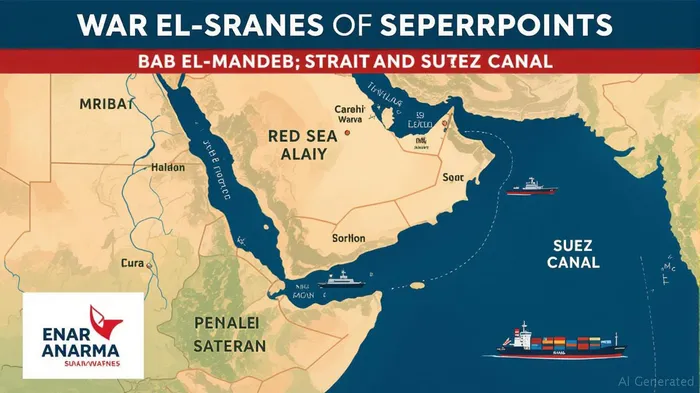
The Crisis in the Red Sea: A Shipping Nightmare
Since October 2023, Houthi militants—backed by Iran—have launched over 500 attacks on commercial ships and Israeli targets, rerouting 2,000+ vessels around Africa. The result? A 90% drop in container traffic through the Suez Canal, $1 trillion in disrupted trade, and skyrocketing costs for maritime insurance.
Why does this matter for investors?
- Higher premiums: Insurers are scrambling to cover the risks of rerouted ships adding 10–13 days to voyages (and $1M per trip in extra costs).
- New demand for defense: Navies are deploying warships to protect trade routes, while defense firms are getting contracts to build drones, radar systems, and patrol boats.
Maritime Insurance: Riding the Risk Premium Wave
The Red Sea crisis is a disaster for global trade—but a windfall for insurers.
- Premiums up 250%+ for Israeli-linked ships, and even neutral vessels face surcharges.
- Companies to watch:
- XL Catlin (XL): A top marine insurer, likely to see higher underwriting margins.
- Chubb (CB): Expanding into high-risk markets as competitors retreat.
Action to take: Buy insurers with exposure to marine and war-risk policies. But beware: if a ceasefire reduces attacks, premiums could crash. Diversify into other sectors like defense to hedge.
Defense Contractors: The Winners of the New Cold War
The U.S. and allies are spending billions to secure the Red Sea. Who's cashing the checks?
- Huntington Ingalls Industries (HII): Builder of U.S. Navy aircraft carriers and submarines.
- Northrop Grumman (NOC): Provides surveillance drones and radar systems critical for tracking Houthi attacks.
- L3Harris (LHX): Supplies electronic warfare tech to counter Iranian-backed missiles.
The play here: These companies are in line for long-term contracts as navies upgrade their arsenals.
Risks to Consider
- Geopolitical volatility: A sudden ceasefire (or U.S.-Iran détente) could deflate premiums and defense spending.
- Regulatory backlash: Governments might cap insurance rates or subsidize shipping costs, squeezing profits.
Final Take: A High-Risk, High-Reward Trade
The Red Sea crisis isn't going away soon. Iran's backing of the Houthis and U.S. military engagement mean this is a multi-year conflict. For investors with a strong stomach, allocate 5–10% of your portfolio to maritime insurance and defense stocks.
Buy now, but keep an eye on geopolitical headlines. If a deal emerges to reduce Houthi attacks, sell the rally and book profits.
Stay hungry, stay greedy—but keep your head on a swivel.
Data as of July 2025. Past performance does not guarantee future results.





Comentarios
Aún no hay comentarios