
Recoverable US Natural Gas Supplies and Energy Transition Implications: Energy Infrastructure and ESG-Aligned Investment Opportunities
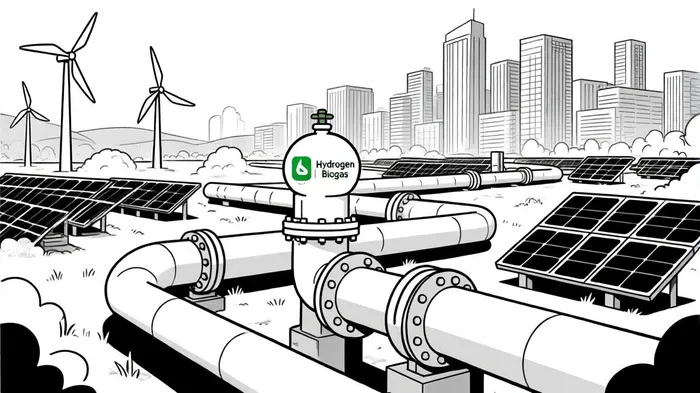
The U.S. natural gas sector is at a pivotal crossroads, balancing its role as a transitional energy source with the urgent need to align with global net-zero targets. Recent data from the U.S. Energy Information Administration (EIA) reveals a 12.6% decline in proved natural gas reserves in 2023, dropping to 603.6 trillion cubic feet (Tcf) from 691.0 Tcf in 2022—the first annual decline since 2020[1]. This shift, driven by falling prices and reduced exploration, underscores the sector's evolving dynamics. However, the EIA also forecasts a 3.2 billion cubic feet per day (Bcf/d) rise in demand by 2025, outpacing supply growth, as exports and power generation drive consumption[2]. For investors, this tension between traditional energy needs and decarbonization goals presents both challenges and opportunities.
Energy Transition and the Role of Natural Gas Infrastructure
Natural gas is increasingly positioned as a bridge fuel in the energy transition, particularly as it displaces coal in power generation and supports the integration of intermittent renewables. According to a report by Columbia Energy Policy, upgrading existing pipeline infrastructure to transport zero-carbon fuels like hydrogen and biogas could extend the life of natural gas systems while reducing methane emissions[3]. This dual-purpose approach aligns with the EIA's projection that natural gas will remain a critical component of the U.S. energy mix for at least 30 years, even under aggressive decarbonization scenarios[3].
For example, Alaska's 22.7% decline in natural gas reserves in 2023 highlights the need for strategic reinvestment in infrastructure to mitigate environmental risks[1]. Conversely, Montana's 11.2% reserve increase demonstrates how targeted exploration and modernization can yield positive outcomes[1]. Investors should prioritize projects that retrofit pipelines with leak-detection technologies and incorporate biogas blending capabilities, as these initiatives directly address methane emissions while future-proofing infrastructure.
ESG-Aligned Investment Opportunities
The push for environmental, social, and governance (ESG) alignment has spurred innovation in natural gas infrastructure. Kinder MorganKMI--, a leading energy infrastructure company, exemplifies this trend through its Greenhouse Gas (GHG) Reduction Opportunities Working Group. The company's methane mitigation programs and in-line pipeline inspections not only enhance operational safety but also reduce Scope 1 and Scope 2 emissions[4]. Its Permian Highway Pipeline project further illustrates how infrastructure can balance economic and ecological goals, preserving habitats for endangered species while expanding energy access[4].
Similarly, the American Gas Association (AGA) has developed a voluntary ESG reporting template in collaboration with the Edison Electric Institute (EEI), standardizing sustainability metrics across the industry[5]. This framework encourages transparency in emissions reporting and fosters accountability, enabling investors to compare companies on a level playing field. By adopting such standards, firms can attract capital from ESG-focused funds while demonstrating compliance with evolving regulatory expectations.
Strategic Considerations for Investors
While natural gas demand is projected to rise, investors must navigate a complex landscape of supply constraints and regulatory pressures. The EIA anticipates that U.S. natural gas inventories will fall 4% below the five-year average by 2025 as demand outpaces supply[2]. This gap could be mitigated by accelerating investments in LNG export terminals, such as the Plaquemines and Corpus Christi facilities, which began operations in late 2024[2]. However, such projects must be paired with carbon capture and storage (CCS) technologies to align with net-zero objectives.
Conclusion
The U.S. natural gas sector's transition from a fossil fuel-centric model to a low-carbon infrastructure platform offers a unique window for ESG-aligned investments. By modernizing pipelines, adopting standardized sustainability metrics, and integrating zero-carbon fuels, companies can position themselves as leaders in the energy transition. For investors, the key lies in balancing short-term energy security needs with long-term decarbonization goals—a strategy that promises both financial returns and environmental impact.





Comentarios
Aún no hay comentarios