
Record-High Egg Prices Drive Inflation Higher In January
Generado por agente de IACyrus Cole
miércoles, 12 de febrero de 2025, 11:39 am ET2 min de lectura
EGGS--
The consumer price index (CPI) rose 3% for the 12 months ended in January 2025, marking the fourth consecutive month of increases in the annual inflation rate. This broad-based inflation increase, driven in part by higher food prices, has raised concerns among economists that inflation has become entrenched above the Federal Reserve's target, even as President Donald Trump's policies around tariffs and immigration threaten to raise prices further this year. One of the primary factors contributing to this surge in inflation is the record-high egg prices observed in January.
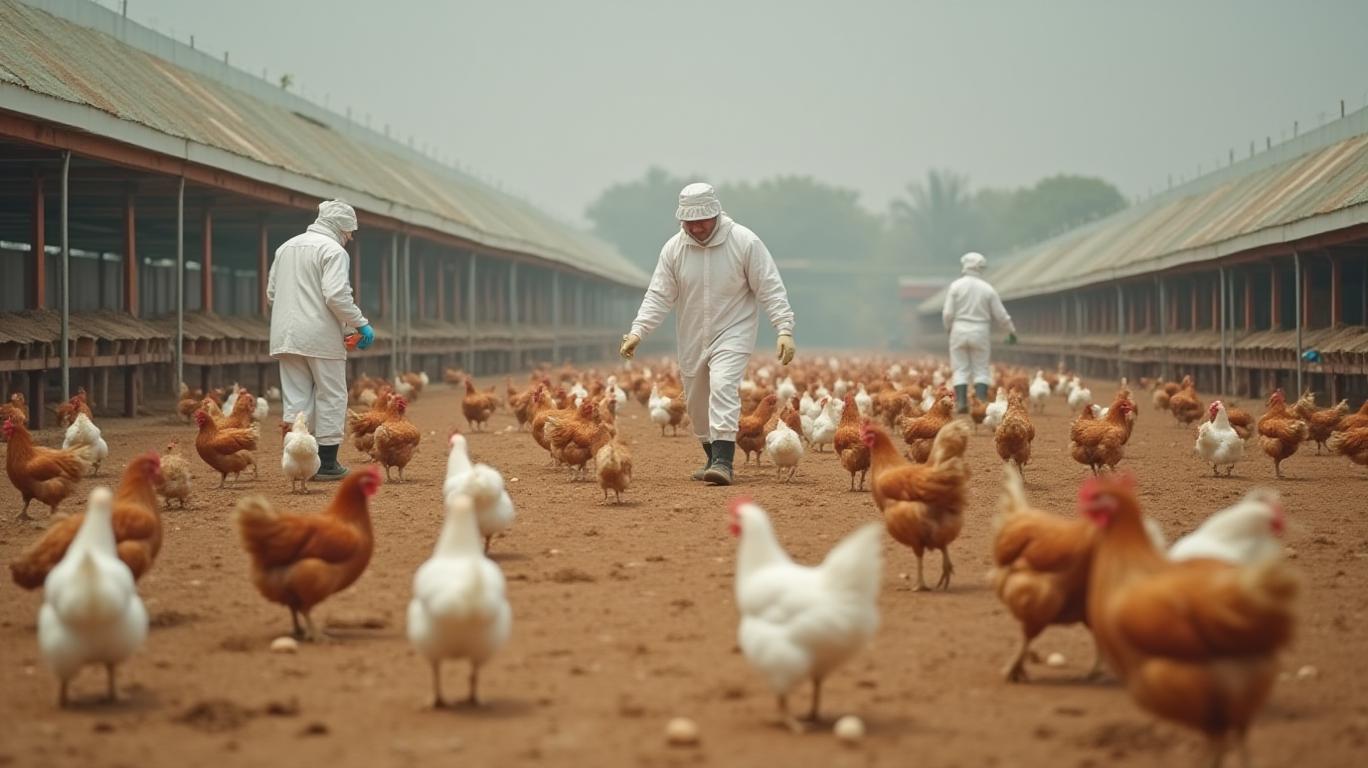
Egg prices soared by 15% just from December to January 2025, marking a 53% increase over the past year. This surge in egg prices is largely due to supply shortages created by a deadly bird flu outbreak, which has led to a significant reduction in egg production. The increase in egg prices has a ripple effect on other grocery items tied to eggs, such as baked goods, further driving up food prices. Additionally, consumers may opt to switch to other proteins like beef if bird flu drives up the price of eggs and chicken, exacerbating inflation in the meat category as well.
The primary factors driving the surge in egg prices are:
1. Bird Flu Outbreak: The deadly bird flu outbreak has led to a significant reduction in the supply of eggs, particularly chicken eggs. This has resulted in a shortage of eggs, driving up prices.
2. Increased Demand: There has been a surge in demand for eggs, both for consumption and for use in processed foods. This increased demand, coupled with the reduced supply, has put upward pressure on egg prices.
3. Inflationary Pressures: Broad disinflation appears to be over, with inflation readings remaining above the Federal Reserve's target of 2% annual rate. This has contributed to the increase in egg prices, as seen in the 3% rise in the consumer price index for the 12 months ending in January 2025.
The sustainability of this trend in the long term depends on several factors, such as the recovery from the bird flu, inflation control, and technological innovations in the egg industry. While the surge in egg prices is primarily driven by the bird flu outbreak and increased demand, the sustainability of this trend in the long term will depend on these factors.
In conclusion, the record-high egg prices in January have significantly contributed to overall inflation rates, particularly in the food category. The increase in egg prices has a ripple effect on other grocery items tied to eggs, such as baked goods, further driving up food prices. Additionally, consumers may opt to switch to other proteins like beef if bird flu drives up the price of eggs and chicken, exacerbating inflation in the meat category as well. The primary factors driving the surge in egg prices are the bird flu outbreak, increased demand, and inflationary pressures. The sustainability of this trend in the long term depends on factors such as the recovery from the bird flu, inflation control, and technological innovations in the egg industry.
The consumer price index (CPI) rose 3% for the 12 months ended in January 2025, marking the fourth consecutive month of increases in the annual inflation rate. This broad-based inflation increase, driven in part by higher food prices, has raised concerns among economists that inflation has become entrenched above the Federal Reserve's target, even as President Donald Trump's policies around tariffs and immigration threaten to raise prices further this year. One of the primary factors contributing to this surge in inflation is the record-high egg prices observed in January.
Egg prices soared by 15% just from December to January 2025, marking a 53% increase over the past year. This surge in egg prices is largely due to supply shortages created by a deadly bird flu outbreak, which has led to a significant reduction in egg production. The increase in egg prices has a ripple effect on other grocery items tied to eggs, such as baked goods, further driving up food prices. Additionally, consumers may opt to switch to other proteins like beef if bird flu drives up the price of eggs and chicken, exacerbating inflation in the meat category as well.
The primary factors driving the surge in egg prices are:
1. Bird Flu Outbreak: The deadly bird flu outbreak has led to a significant reduction in the supply of eggs, particularly chicken eggs. This has resulted in a shortage of eggs, driving up prices.
2. Increased Demand: There has been a surge in demand for eggs, both for consumption and for use in processed foods. This increased demand, coupled with the reduced supply, has put upward pressure on egg prices.
3. Inflationary Pressures: Broad disinflation appears to be over, with inflation readings remaining above the Federal Reserve's target of 2% annual rate. This has contributed to the increase in egg prices, as seen in the 3% rise in the consumer price index for the 12 months ending in January 2025.
The sustainability of this trend in the long term depends on several factors, such as the recovery from the bird flu, inflation control, and technological innovations in the egg industry. While the surge in egg prices is primarily driven by the bird flu outbreak and increased demand, the sustainability of this trend in the long term will depend on these factors.
In conclusion, the record-high egg prices in January have significantly contributed to overall inflation rates, particularly in the food category. The increase in egg prices has a ripple effect on other grocery items tied to eggs, such as baked goods, further driving up food prices. Additionally, consumers may opt to switch to other proteins like beef if bird flu drives up the price of eggs and chicken, exacerbating inflation in the meat category as well. The primary factors driving the surge in egg prices are the bird flu outbreak, increased demand, and inflationary pressures. The sustainability of this trend in the long term depends on factors such as the recovery from the bird flu, inflation control, and technological innovations in the egg industry.

Divulgación editorial y transparencia de la IA: Ainvest News utiliza tecnología avanzada de Modelos de Lenguaje Largo (LLM) para sintetizar y analizar datos de mercado en tiempo real. Para garantizar los más altos estándares de integridad, cada artículo se somete a un riguroso proceso de verificación con participación humana.
Mientras la IA asiste en el procesamiento de datos y la redacción inicial, un miembro editorial profesional de Ainvest revisa, verifica y aprueba de forma independiente todo el contenido para garantizar su precisión y cumplimiento con los estándares editoriales de Ainvest Fintech Inc. Esta supervisión humana está diseñada para mitigar las alucinaciones de la IA y garantizar el contexto financiero.
Advertencia sobre inversiones: Este contenido se proporciona únicamente con fines informativos y no constituye asesoramiento profesional de inversión, legal o financiero. Los mercados conllevan riesgos inherentes. Se recomienda a los usuarios que realicen una investigación independiente o consulten a un asesor financiero certificado antes de tomar cualquier decisión. Ainvest Fintech Inc. se exime de toda responsabilidad por las acciones tomadas con base en esta información. ¿Encontró un error? Reportar un problema




Comentarios
Aún no hay comentarios