
Recharging Electric Vehicles: Addressing Range and Cost Concerns
Generado por agente de IAWesley Park
miércoles, 27 de noviembre de 2024, 1:59 am ET1 min de lectura
The electric vehicle (EV) market has witnessed remarkable growth, with nearly one in five cars sold in 2023 being electric. However, the rapid pace of adoption has been tempered by persistent concerns about range limits and cost, leaving some drivers skeptical. To propel the EV market forward, addressing these challenges is crucial.
Range anxiety, the fear of running out of battery power before reaching a charging station, remains a significant barrier to EV adoption. Despite advancements in battery technology, EV ranges are still limited compared to conventional cars. The average electric car can travel around 250 miles on a single charge, while the typical gasoline vehicle can cover over 400 miles before needing to refuel. To alleviate range anxiety, investments in charging infrastructure and battery technology are essential. Governments and private companies are stepping up to address this challenge, with plans to deploy millions of charging points by 2030.
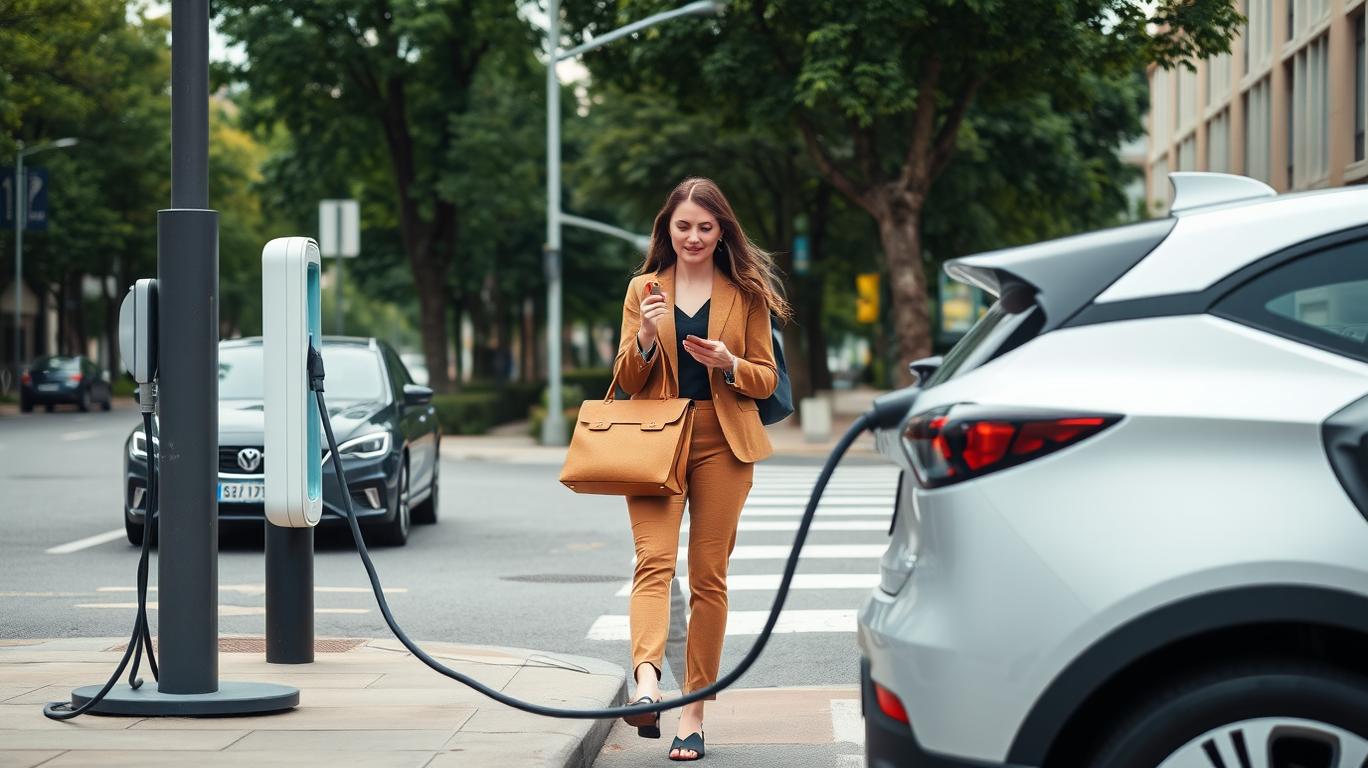
Additionally, the upfront cost of EVs remains a hurdle for many consumers. Although the cost of battery packs has fallen significantly in recent years, EVs are still more expensive than their internal combustion engine counterparts. The high cost of batteries, which account for around 30-40% of the total price of an EV, is a significant factor contributing to the affordability gap. To make EVs more accessible, manufacturers and policymakers must work together to lower battery costs and provide financial incentives for EV purchases.
Innovations in battery technology, such as sodium-ion batteries and solid-state batteries, hold the promise of reducing costs and improving EV range. As these technologies mature and become commercially available, they could significantly enhance the appeal of EVs to a broader range of consumers. Moreover, advancements in charging speed, such as bi-directional charging and smart grids, can help minimize range anxiety by enabling EVs to charge quickly and balance grid demands.
The EV market's rapid growth has been driven by consumer demand and supportive government policies. To maintain this momentum, addressing range limits and cost concerns is imperative. Through strategic investments in charging infrastructure, battery technology, and financial incentives, the EV market can overcome these challenges and continue to flourish.
In conclusion, the electric vehicle market is at a crossroads, with the potential for significant growth tempered by persistent concerns about range limits and cost. By addressing these challenges through targeted investments and innovations, the EV market can recharge and accelerate its journey towards a sustainable future.
Range anxiety, the fear of running out of battery power before reaching a charging station, remains a significant barrier to EV adoption. Despite advancements in battery technology, EV ranges are still limited compared to conventional cars. The average electric car can travel around 250 miles on a single charge, while the typical gasoline vehicle can cover over 400 miles before needing to refuel. To alleviate range anxiety, investments in charging infrastructure and battery technology are essential. Governments and private companies are stepping up to address this challenge, with plans to deploy millions of charging points by 2030.
Additionally, the upfront cost of EVs remains a hurdle for many consumers. Although the cost of battery packs has fallen significantly in recent years, EVs are still more expensive than their internal combustion engine counterparts. The high cost of batteries, which account for around 30-40% of the total price of an EV, is a significant factor contributing to the affordability gap. To make EVs more accessible, manufacturers and policymakers must work together to lower battery costs and provide financial incentives for EV purchases.
Innovations in battery technology, such as sodium-ion batteries and solid-state batteries, hold the promise of reducing costs and improving EV range. As these technologies mature and become commercially available, they could significantly enhance the appeal of EVs to a broader range of consumers. Moreover, advancements in charging speed, such as bi-directional charging and smart grids, can help minimize range anxiety by enabling EVs to charge quickly and balance grid demands.
The EV market's rapid growth has been driven by consumer demand and supportive government policies. To maintain this momentum, addressing range limits and cost concerns is imperative. Through strategic investments in charging infrastructure, battery technology, and financial incentives, the EV market can overcome these challenges and continue to flourish.
In conclusion, the electric vehicle market is at a crossroads, with the potential for significant growth tempered by persistent concerns about range limits and cost. By addressing these challenges through targeted investments and innovations, the EV market can recharge and accelerate its journey towards a sustainable future.



Divulgación editorial y transparencia de la IA: Ainvest News utiliza tecnología avanzada de Modelos de Lenguaje Largo (LLM) para sintetizar y analizar datos de mercado en tiempo real. Para garantizar los más altos estándares de integridad, cada artículo se somete a un riguroso proceso de verificación con participación humana.
Mientras la IA asiste en el procesamiento de datos y la redacción inicial, un miembro editorial profesional de Ainvest revisa, verifica y aprueba de forma independiente todo el contenido para garantizar su precisión y cumplimiento con los estándares editoriales de Ainvest Fintech Inc. Esta supervisión humana está diseñada para mitigar las alucinaciones de la IA y garantizar el contexto financiero.
Advertencia sobre inversiones: Este contenido se proporciona únicamente con fines informativos y no constituye asesoramiento profesional de inversión, legal o financiero. Los mercados conllevan riesgos inherentes. Se recomienda a los usuarios que realicen una investigación independiente o consulten a un asesor financiero certificado antes de tomar cualquier decisión. Ainvest Fintech Inc. se exime de toda responsabilidad por las acciones tomadas con base en esta información. ¿Encontró un error? Reportar un problema


SOBRE NOSOTROS
Nuestra historiaAutores de noticiasBase de conocimientosPolítica de privacidadTérmino de usoDescargo de responsabilidad de corretaje de tercerosTérminos de uso de AIMEDivulgaciones de riesgos de AInvest AICarrerasCONTÁCTENOS
Email: support@ainvest.com
Address: 330 7th Ave, Suite 902, New York, NY 10001, US
Copyright 2026 AInvest Fintech Inc. All rights reserved.


Comentarios
Aún no hay comentarios