
The Recession Trade Returns to Wall Street
Generado por agente de IATheodore Quinn
miércoles, 5 de marzo de 2025, 9:09 pm ET1 min de lectura
MET--
As the Federal Reserve's aggressive rate hikes continue, investors are increasingly focusing on the potential impact on the U.S. economy and the stock market. The recent rally in stocks, fueled by optimism about slowing inflation, may be short-lived as concerns about a recession resurface. The Dow Jones Industrial Average, S&P 500, and Nasdaq Composite all experienced losses last week, with the Nasdaq's 1.6% decline being particularly notable after its strong rally the previous week.
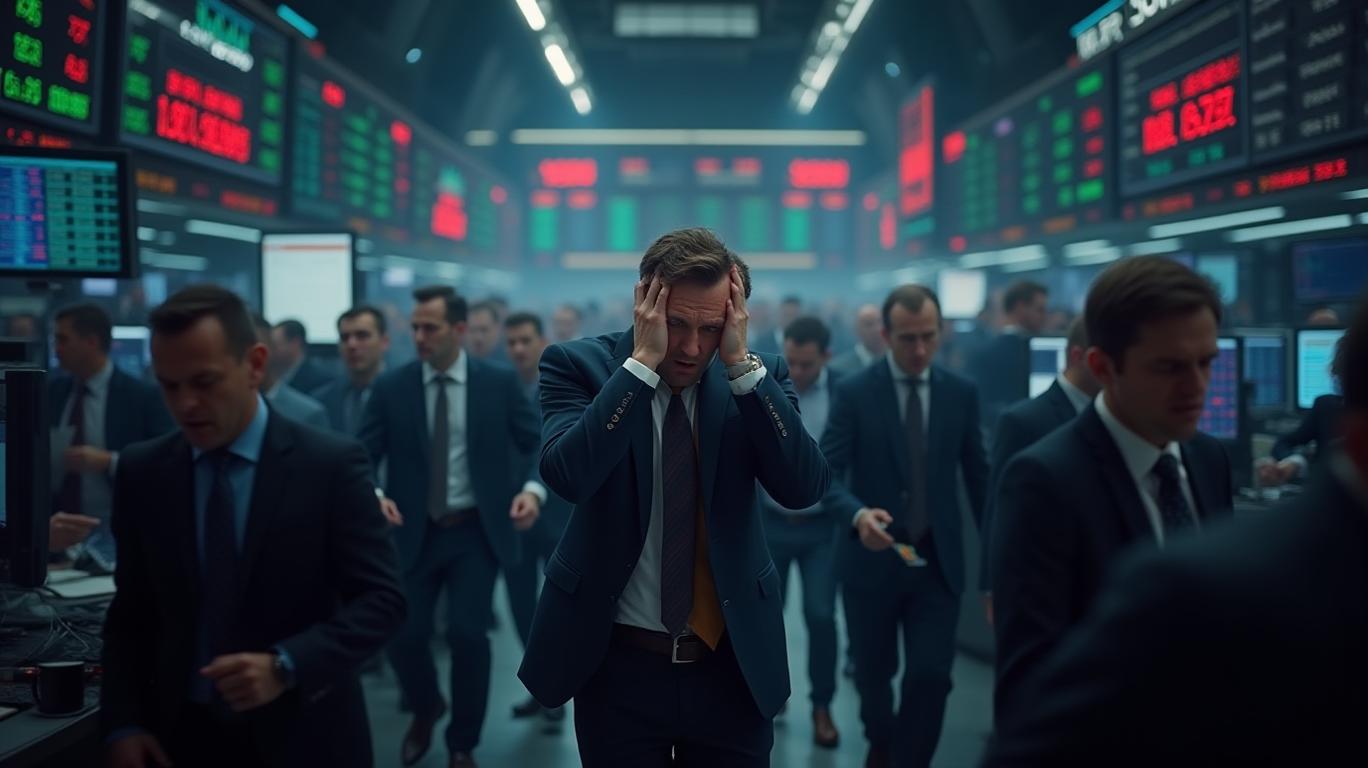
The market's reaction to stronger-than-expected retail sales data and comments from Fed speakers suggests that investors are becoming more cautious about the economic outlook. St. Louis Fed governor James Bullard's statement that rates may need to rise as high as 7% to combat inflation was metMET-- with a brief market sell-off, but the S&P 500 managed to close the day down just 0.3%. This resilience may indicate that the market is becoming less sensitive to the Fed's hawkish rhetoric.
However, the market's focus on real rates as the primary driver of stock prices has started to shift. Since October 12, credit spreads—the difference between yields on corporate and government bonds—have been the largest driver of stock prices, according to Quant Insight's models. This shift reflects the market's growing concern about the potential for a recession, as the inverted yield curve and widening spread between three-month and 10-year Treasuries suggest.
Despite these signs, the market does not appear to be overly concerned about a recession just yet. The spread between Treasuries and junk bonds has narrowed, and the market for CCC-rated bonds, the riskiest segment of the junk bond market, has remained relatively stable. However, Michael Darda, chief strategist at MKM Partners, warns that the market could be foreshadowing broader credit market weakness in the future.
As the market awaits the release of November's consumer price index and the Fed's likely rate hike in mid-December, investors should be prepared for increased volatility and uncertainty. The stock market's recent rally may continue in the short term, but the potential for a recession could make the market's trajectory more unpredictable as the year progresses.

In conclusion, the recession trade has returned to Wall Street as investors grapple with the potential impact of the Fed's rate hikes on the U.S. economy. While the market has shown resilience in the face of hawkish Fed rhetoric, the shift in market drivers and signs of a potential recession suggest that investors should remain vigilant and prepared for increased volatility in the coming months.
As the Federal Reserve's aggressive rate hikes continue, investors are increasingly focusing on the potential impact on the U.S. economy and the stock market. The recent rally in stocks, fueled by optimism about slowing inflation, may be short-lived as concerns about a recession resurface. The Dow Jones Industrial Average, S&P 500, and Nasdaq Composite all experienced losses last week, with the Nasdaq's 1.6% decline being particularly notable after its strong rally the previous week.
The market's reaction to stronger-than-expected retail sales data and comments from Fed speakers suggests that investors are becoming more cautious about the economic outlook. St. Louis Fed governor James Bullard's statement that rates may need to rise as high as 7% to combat inflation was metMET-- with a brief market sell-off, but the S&P 500 managed to close the day down just 0.3%. This resilience may indicate that the market is becoming less sensitive to the Fed's hawkish rhetoric.
However, the market's focus on real rates as the primary driver of stock prices has started to shift. Since October 12, credit spreads—the difference between yields on corporate and government bonds—have been the largest driver of stock prices, according to Quant Insight's models. This shift reflects the market's growing concern about the potential for a recession, as the inverted yield curve and widening spread between three-month and 10-year Treasuries suggest.
Despite these signs, the market does not appear to be overly concerned about a recession just yet. The spread between Treasuries and junk bonds has narrowed, and the market for CCC-rated bonds, the riskiest segment of the junk bond market, has remained relatively stable. However, Michael Darda, chief strategist at MKM Partners, warns that the market could be foreshadowing broader credit market weakness in the future.
As the market awaits the release of November's consumer price index and the Fed's likely rate hike in mid-December, investors should be prepared for increased volatility and uncertainty. The stock market's recent rally may continue in the short term, but the potential for a recession could make the market's trajectory more unpredictable as the year progresses.
In conclusion, the recession trade has returned to Wall Street as investors grapple with the potential impact of the Fed's rate hikes on the U.S. economy. While the market has shown resilience in the face of hawkish Fed rhetoric, the shift in market drivers and signs of a potential recession suggest that investors should remain vigilant and prepared for increased volatility in the coming months.

Divulgación editorial y transparencia de la IA: Ainvest News utiliza tecnología avanzada de Modelos de Lenguaje Largo (LLM) para sintetizar y analizar datos de mercado en tiempo real. Para garantizar los más altos estándares de integridad, cada artículo se somete a un riguroso proceso de verificación con participación humana.
Mientras la IA asiste en el procesamiento de datos y la redacción inicial, un miembro editorial profesional de Ainvest revisa, verifica y aprueba de forma independiente todo el contenido para garantizar su precisión y cumplimiento con los estándares editoriales de Ainvest Fintech Inc. Esta supervisión humana está diseñada para mitigar las alucinaciones de la IA y garantizar el contexto financiero.
Advertencia sobre inversiones: Este contenido se proporciona únicamente con fines informativos y no constituye asesoramiento profesional de inversión, legal o financiero. Los mercados conllevan riesgos inherentes. Se recomienda a los usuarios que realicen una investigación independiente o consulten a un asesor financiero certificado antes de tomar cualquier decisión. Ainvest Fintech Inc. se exime de toda responsabilidad por las acciones tomadas con base en esta información. ¿Encontró un error? Reportar un problema




Comentarios
Aún no hay comentarios