
Reassessing Clean Ammonia Investments: Navigating Blue Ammonia's Feasibility and Greenwashing Risks in a Shifting Energy Landscape
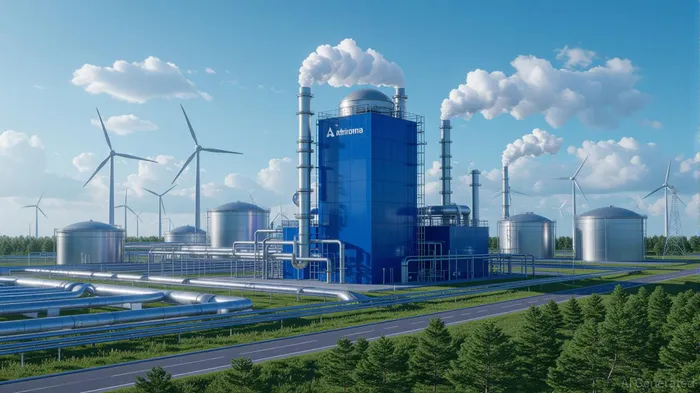
The cancellation of Yara International ASA and BASF's joint low-carbon ammonia project in the U.S. Gulf Coast in August 2025 marks a pivotal moment for the blue ammonia sector. This strategic retreat, driven by evolving market conditions and regulatory uncertainties, underscores the need for investors to critically reassess the feasibility and risks of blue ammonia projects in the current energy transition landscape.
The Strategic Shift: From Ambition to Pragmatism
Yara and BASF's decision to abandon their 1.2–1.4 million-ton-per-year blue ammonia facility in Freeport, Texas, reflects a recalibration of priorities. While the project aimed to leverage the U.S. Inflation Reduction Act (IRA) incentives and favorable natural gas prices, the companies cited the need to focus on initiatives with higher value creation potential. This move highlights the growing tension between decarbonization goals and economic viability, particularly in a regulatory environment marked by political volatility.
The U.S. blue ammonia sector is now grappling with the implications of the One Big Beautiful Bill Act (OBBA), which seeks to phase out key IRA tax credits, including 45V for green hydrogen and 45Q for carbon capture. These policy shifts have created a high-stakes environment for projects reliant on U.S. subsidies, with Yara and BASF's exit signaling a broader trend of caution among international players.
Technical and Economic Feasibility: A Double-Edged Sword
Blue ammonia, produced via natural gas with carbon capture and storage (CCS), remains technically feasible and economically attractive compared to green ammonia. The integration of CCS with steam methane reforming (SMR) or autothermal reforming (ATR) processes allows for significant CO₂ reduction, but its long-term viability hinges on three critical factors:
1. Methane Leakage Management: Even minor leaks can negate the climate benefits of blue ammonia, given methane's potency as a greenhouse gas.
2. CO₂ Storage Costs and Permanence: The economic model depends on affordable and secure geological storage, which remains a technical and regulatory challenge.
3. Infrastructure Readiness: Proximity to pipelines, sequestration sites, and export facilities is non-negotiable for large-scale projects.
The U.S. Gulf Coast's existing infrastructure and low natural gas prices have made it a hub for blue ammonia, but the absence of binding offtake agreements and the capital intensity of CCS integration continue to deter final investment decisions (FIDs). For example, projects like Yara's Freeport plant rely on fracked gas, raising questions about the true sustainability of their feedstocks.
Greenwashing Risks: A Regulatory Tightrope
As the energy transition accelerates, greenwashing risks have become a central concern for investors. The EU's Directive 2024/825 and proposed Green Claims Directive now require rigorous substantiation for environmental claims, effectively banning vague terms like “green” or “sustainable” without verifiable evidence. Similarly, the U.S. FTC's updated Green Guides and South Korea's anti-greenwashing laws are tightening the regulatory net.
For blue ammonia producers, this means that marketing low-carbon credentials will require transparent reporting on methane leakage rates, CCS efficiency, and feedstock sourcing. Failure to comply could result in reputational damage, legal penalties, or exclusion from public procurement processes. The lack of standardized definitions for “blue” or “green” ammonia further complicates the landscape, creating ambiguity for investors seeking to align with ESG criteria.
Investment Implications: Diversification and Due Diligence
The Yara-BASF cancellation and broader policy uncertainties suggest that investors should adopt a cautious, diversified approach to clean ammonia. Key considerations include:
1. Geographic Diversification: Shift focus to regions with stable policy frameworks, such as Japan and South Korea, where ammonia co-firing and hydrogen blending are gaining traction.
2. Technology Hedging: Balance blue ammonia investments with green ammonia projects, which, despite higher costs, offer long-term resilience against fossil fuel volatility.
3. Regulatory Scrutiny: Prioritize companies with robust sustainability reporting and third-party certifications to mitigate greenwashing risks.
Conclusion: A Calculated Path Forward
The blue ammonia sector is at a crossroads. While it remains a critical transitional pathway, the Yara-BASF case illustrates the need for investors to weigh technical feasibility, policy risks, and greenwashing vulnerabilities. As the energy transition evolves, success will belong to those who combine strategic patience with a commitment to transparency and innovation. For now, the message is clear: in the race to decarbonize, not all bets are created equal.







Comentarios
Aún no hay comentarios