
REAL ID Deadline Looms: Airline Delays and Investment Implications
As the May 7, 2025, deadline for REAL ID compliance approaches, warnings of potential airport chaos are growing louder. Governors like South Dakota’s Kristi Noem have highlighted the risks: up to 30% of U.S. states remain below 70% compliance, and TSA estimates suggest nearly 19% of travelers could face delays or denied boarding if they lack compliant IDs. The stakes are high for airlines, airports, and investors alike.
The Compliance Gap
The REAL ID Act, passed in 2005, mandates that travelers use a compliant driver’s license, passport, or military ID to board domestic flights after May 7. Yet compliance rates vary wildly by state.
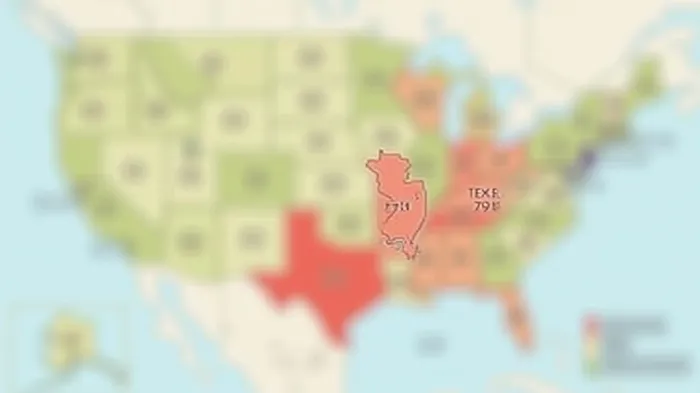
- Lowest compliance: New Jersey (17%), Pennsylvania (26%), Maine and Washington (27% each), and New York (43%).
- Moderate compliance: California (55%), Illinois (~33%), and 25 other states below 70%.
- High compliance: Twelve states and D.C. exceed 90%, with Texas (98%) and Florida (100%) leading the way.
The TSA’s 81% compliance estimate includes travelers using passports or military IDs, but those relying solely on non-compliant state IDs—roughly 19% of travelers—could face delays. TSA has advised arriving three hours early for domestic flights, a logistical nightmare for airlines and passengers.
Operational Risks for Airlines
Airlines face dual pressures: operational disruptions and reputational damage. Delays could increase costs for fuel, crew, and gate rentals. Worse, travelers facing last-minute denials may seek refunds, squeezing profit margins.
- Capacity strain: Airlines already operate near full capacity post-pandemic. A 10% drop in passengers due to ID issues could force cancellations.
- Secondary screening: TSA’s added checks could slow processing times, compounding delays.
TSA and Federal Preparedness
The TSA plans to use secondary verification—such as biometrics or document checks—to handle non-compliant travelers. However, states like Illinois are struggling to process applications, with mailing delays stretching to two weeks.
While the TSA’s budget has risen, the sheer volume of non-compliant travelers in states like New Jersey (83% non-compliant) or California (45%) could overwhelm systems.
Investment Implications
- Airlines: Short-term risks loom. Airlines in regions with low compliance (e.g., Delta’s hubs in Atlanta and New York) may see revenue dips. Consider underweighting airline stocks like DAL or AAL until compliance rates improve.
- TSA Tech Providers: Companies supplying screening equipment or biometric systems (e.g., Rapiscan Systems, though private) could see demand spikes, but public equities in this space are scarce.
- Regional Airports: Smaller airports in low-compliance states may suffer disproportionately, while high-compliance states could see traffic shifts.
Conclusion: A Compliance Crisis with Long Tails
The REAL ID deadline is a systemic test of federal-state coordination. With 30 states under 70% compliance and TSA’s 19% non-compliant traveler estimate, delays are inevitable.
- Key data:
- 19% of travelers risk delays or denial of boarding.
- States like New Jersey (17%) and Pennsylvania (26%) have over 70% of residents unprepared.
- TSA’s 3-hour arrival recommendation could reduce on-time performance by 10-20%.
Investors should brace for volatility in airline stocks and monitor TSA’s ability to manage bottlenecks. For now, the REAL ID crunch looks like a headache for travelers—and a caution flag for investors in travel stocks.





Comentarios
Aún no hay comentarios