
B.C. Real Estate: Navigating Tariff Turbulence and Seizing the "Buy Now" Moment
The British Columbia real estate market is at a crossroads. Trade tariffs on lumber, steel, and other construction materials are exacerbating supply chain disruptions, driving up costs, and squeezing housing inventory. For investors, this volatile environment presents both risks and opportunities—but time is of the essence.
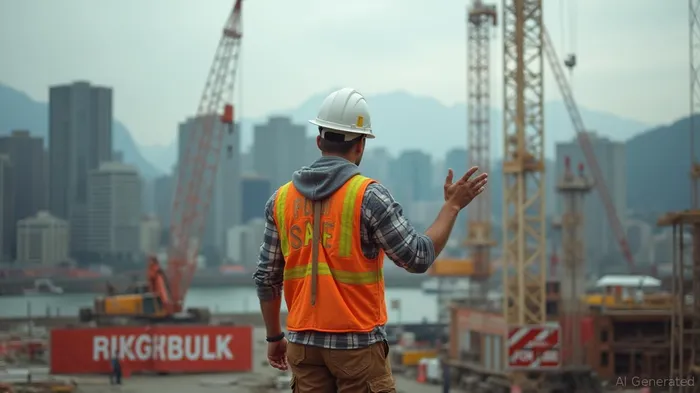
The Tariff Tsunami: How Supply Chain Gaps Are Inflating Costs
The U.S. tariffs on Canadian softwood lumber—now at 14.54% and slated to jump to 34.5% by August 2025—are the linchpin of this crisis. These duties, combined with labor shortages and geopolitical tensions, have pushed lumber prices 34% higher since December 2020, far outpacing inflation. A single-family home now costs $9,200 more to build due to tariff-related material hikes, according to the National Association of Home Builders (NAHB).
Steel isn't immune either. U.S. tariffs on Canadian steel hit 25% in early 2025, with stacked duties potentially pushing costs to 50% by year-end. The ripple effect is stark: steel-dependent projects like high-rises or infrastructure face 8–12% cost inflation, delaying timelines and shrinking housing supply.
The Housing Inventory Crunch: Fewer Homes, Higher Prices
The mathMATH-- is simple: fewer materials mean fewer homes. Canadian lumber's U.S. market share has already dropped from 33% (2016) to 24% (2024), and further declines are inevitable. With builders stockpiling materials to hedge against tariff spikes, housing inventory in B.C. has dipped to a 10-year low, per the Real Estate Board of Greater Vancouver.
Meanwhile, labor shortages—exacerbated by restrictive immigration policies—are pushing construction wages up 15% in key markets. This perfect storm has left B.C. with a 30% gap between housing demand and supply, fueling price hikes. Vancouver's benchmark home price rose 12% year-over-year in Q2 2025, even as mortgage rates hovered near 6.9%.
Investment Opportunities: The "Buy Now" Imperative
For strategic investors, the urgency is clear. Here's why acting soon could pay off:
Rising Prices = Locking in Value
With inventory tight and costs climbing, buyers who act now can secure properties before prices escalate further. A $450,000 condo in Richmond today could cost $550,000 by early 2026 if lumber tariffs hit their projected peak.Targeting Undervalued Sectors
- Mass Timber Innovators: Firms like Canfor (CFP.TO) or West Fraser (WFRp.TO) are pivoting to mass timber—a tariff-resistant alternative. Investors could benefit from their R&D or market share gains.
Land Banks: Developers with zoned land in growth corridors (e.g., Surrey or Kelowna) are poised to profit as construction resumes post-tariff volatility.
Rentals and Short-Term Rentals (STRs)
With housing scarcity, demand for rentals is surging. Multi-unit buildings or STRs in tourist hubs like Whistler could offer 7–9% annual returns, even amid rate hikes.
Risks and Caution Flags
- Recession Fears: A U.S. slowdown could curb demand for Canadian exports, easing tariffs—but also reducing buyer traffic.
- Policy Uncertainty: The U.S. Section 232 steel investigation (due mid-2025) could trigger more tariffs, prolonging the pain.
Conclusion: Act Strategically, but Stay Nimble
The B.C. real estate market is a high-stakes arena of rising costs and constrained supply. Investors who act swiftly—targeting undervalued assets or sectors insulated from tariffs—could capitalize on the "buy now or lose out" dynamic. However, patience is key: wait too long, and prices may soar beyond reach; overpay, and you risk being caught in a correction.
The data is clear: the window to secure value is narrowing. For those ready to act, now is the moment.







Comentarios
Aún no hay comentarios