
Córdoba, Spain: Unlocking High-Growth Potential in UNESCO-Driven Tourism and Real Estate
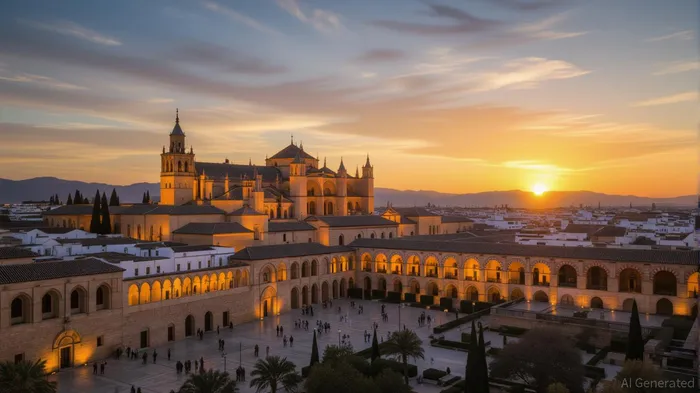
Córdoba, Spain, stands as a testament to the enduring power of cultural heritage in driving urban tourism and real estate development. As a city where Roman, Moorish, Jewish, and Christian histories converge, Córdoba's UNESCO World Heritage Sites—including the historic center, the Great Mosque-Cathedral (Mezquita), and the nearby Medina Azahara—position it as a prime destination for luxury hospitality and culturally driven property investments. With a blend of historical preservation, intangible cultural traditions, and strategic infrastructure growth, Córdoba offers a compelling case for investors seeking to capitalize on heritage-driven demand.
UNESCO Heritage as a Catalyst for Tourism and Investment
Córdoba's historic center was inscribed as a UNESCO World Heritage Site in 1984, recognizing its unique architectural and cultural synthesis. The Mezquita, originally built in the 8th century and later converted into a cathedral, remains the city's most iconic landmark, drawing millions of visitors annually[1]. The UNESCO designation has not only preserved these sites but also amplified their global visibility, fostering a steady influx of tourists seeking immersive cultural experiences.
The city's UNESCO-backed intangible heritage further enhances its appeal. The Festival de los Patios, celebrated annually in May, was recognized by UNESCO in 2012 as an Intangible Cultural Heritage of Humanity. This vibrant event transforms private courtyards into floral masterpieces, attracting visitors who seek authentic, locally rooted experiences[2]. Such festivals, combined with Córdoba's well-preserved Jewish Quarter and the Alcázar de los Reyes Cristianos, create a multifaceted tourism ecosystem that transcends traditional sightseeing.
Real Estate Development: Blending History with Modern Luxury
The demand for culturally rich experiences has spurred a niche market for luxury real estate in Córdoba. Properties in the historic center, particularly those near the Mezquita or within the Jewish Quarter, are increasingly sought after by investors aiming to cater to high-net-worth travelers. These properties often feature restored traditional architecture, offering a unique blend of historical ambiance and modern comforts[3]. For instance, boutique hotels and private villas that incorporate original Moorish or Renaissance elements are gaining traction, reflecting a growing preference for “heritage tourism” among affluent travelers[4].
Infrastructure projects further bolster Córdoba's real estate potential. While specific 2023–2024 data on luxury property transactions remains limited, the city's broader economic strategies—such as investments in education and water infrastructure—signal long-term stability[5]. The provincial government's focus on sustainable development, including the Río Seco aqueduct project, underscores Córdoba's commitment to balancing preservation with modernization[5].
Demographic Trends and Market Projections
Though precise 2023–2024 visitor numbers are unavailable, Córdoba's consistent ranking as a top European cultural destination suggests robust demand. The city's appeal spans multiple demographics: families drawn to its family-friendly festivals, history enthusiasts captivated by its layered past, and luxury travelers seeking unique accommodations. This diversification mitigates seasonal volatility, ensuring year-round occupancy for hospitality-linked properties[6].
UNESCO's global advocacy for heritage preservation also indirectly supports Córdoba's real estate market. By safeguarding sites like Medina Azahara—a 10th-century Islamic palace complex—the organization reinforces the city's status as a living museum, attracting both tourists and investors[1]. The interplay between preservation and commercialization is carefully managed, ensuring that development does not compromise the integrity of these landmarks.
Strategic Investment Opportunities
For investors, Córdoba presents a dual opportunity: capitalizing on tourism-driven real estate appreciation while contributing to cultural preservation. Key sectors include:
1. Luxury Hospitality: Boutique hotels, restored historic homes, and high-end rental properties tailored to cultural tourists.
2. Cultural Infrastructure: Partnerships with local artisans or cultural institutions to create experiential spaces (e.g., themed restaurants, heritage workshops).
3. Sustainable Development: Projects that align with UNESCO's sustainability goals, such as eco-friendly renovations or community-focused tourism initiatives.
Conclusion
Córdoba's UNESCO heritage is more than a historical designation—it is a dynamic engine for economic growth. By leveraging its cultural assets, the city has cultivated a tourism sector that prioritizes authenticity and sustainability, making it an attractive hub for real estate and infrastructure investments. For forward-thinking investors, Córdoba represents a rare convergence of cultural capital and market potential, where history and modernity coexist to drive long-term value.







Comentarios
Aún no hay comentarios