
RBI's New Capital Framework: Strengthening Financial Resilience and Balancing Fiscal Health
PorAinvest
miércoles, 28 de mayo de 2025, 3:19 pm ET1 min de lectura
ECF--
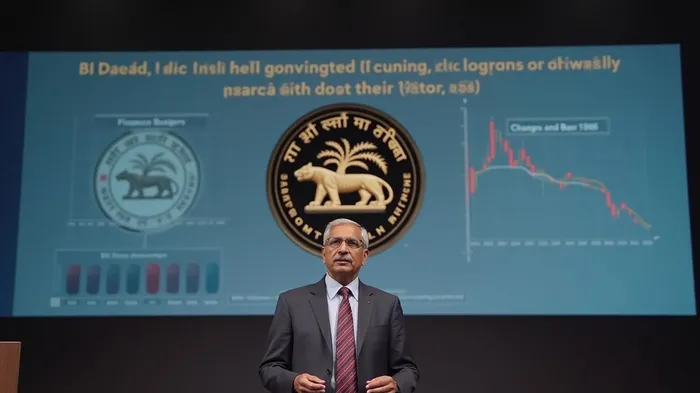
The new ECF expands the monetary and financial stability risk buffer from 4.5% to 6.5% of the balance sheet, providing the Central Board with more flexibility to respond to macroeconomic risks. Additionally, the Contingent Risk Buffer (CRB) has been revised to a range of 6% ± 1.5%, allowing for a more adaptive approach to risk management.
The ECF, originally formulated based on recommendations from the Bimal Jalan Committee in 2019, has been subject to a five-year periodic review. This review, which marks the first such exercise since the framework's adoption, has been necessitated by changes in macroeconomic conditions and shifts in the central bank's asset profile.
The revised framework introduces operational flexibility, enabling the RBI to maintain a resilient balance sheet while effectively supporting the government's fiscal needs. The ECF now mandates that surplus transfers to the government will only occur if the RBI's available equity exceeds 7.5% of the balance sheet size, after accounting for any shortfall in market risk buffers.
The changes in the ECF underscore the RBI's commitment to maintaining financial prudence while adapting to changing economic dynamics. With enhanced flexibility in risk provisioning and surplus distribution, the new framework aims to balance the dual objectives of central bank resilience and fiscal support to the government.
References:
[1] https://www.nextias.com/ca/current-affairs/24-05-2025/rbi-revised-economic-capital-framework
[2] https://www.news18.com/business/economy/rbi-has-revised-economic-capital-framework-what-is-this-what-has-changed-all-you-need-to-know-ws-l-9350566.html
[3] https://www.financialexpress.com/policy/economy-rbi-to-infuse-additional-rs-36000-crore-into-financial-system-via-govt-bonds-3858520/
[4] https://www.drishtiias.com/daily-updates/daily-news-analysis/economic-capital-framework-and-rbi-s-dividend-transfer
The RBI has revised its Economic Capital Framework (ECF) to strengthen financial resilience and support government finances. The new framework expands the monetary and financial stability risk buffer from 4.5-5.5% to 3.5-6.5% and introduces a flexible contingency risk buffer. The changes aim to balance the RBI's need for robust buffers with supporting government finances through surplus transfers.
The Reserve Bank of India (RBI) has recently revised its Economic Capital Framework (ECF) to enhance financial stability and support government finances. This significant move comes as the RBI aims to balance its need for robust buffers with the requirement to transfer surplus funds to the government.The new ECF expands the monetary and financial stability risk buffer from 4.5% to 6.5% of the balance sheet, providing the Central Board with more flexibility to respond to macroeconomic risks. Additionally, the Contingent Risk Buffer (CRB) has been revised to a range of 6% ± 1.5%, allowing for a more adaptive approach to risk management.
The ECF, originally formulated based on recommendations from the Bimal Jalan Committee in 2019, has been subject to a five-year periodic review. This review, which marks the first such exercise since the framework's adoption, has been necessitated by changes in macroeconomic conditions and shifts in the central bank's asset profile.
The revised framework introduces operational flexibility, enabling the RBI to maintain a resilient balance sheet while effectively supporting the government's fiscal needs. The ECF now mandates that surplus transfers to the government will only occur if the RBI's available equity exceeds 7.5% of the balance sheet size, after accounting for any shortfall in market risk buffers.
The changes in the ECF underscore the RBI's commitment to maintaining financial prudence while adapting to changing economic dynamics. With enhanced flexibility in risk provisioning and surplus distribution, the new framework aims to balance the dual objectives of central bank resilience and fiscal support to the government.
References:
[1] https://www.nextias.com/ca/current-affairs/24-05-2025/rbi-revised-economic-capital-framework
[2] https://www.news18.com/business/economy/rbi-has-revised-economic-capital-framework-what-is-this-what-has-changed-all-you-need-to-know-ws-l-9350566.html
[3] https://www.financialexpress.com/policy/economy-rbi-to-infuse-additional-rs-36000-crore-into-financial-system-via-govt-bonds-3858520/
[4] https://www.drishtiias.com/daily-updates/daily-news-analysis/economic-capital-framework-and-rbi-s-dividend-transfer
Divulgación editorial y transparencia de la IA: Ainvest News utiliza tecnología avanzada de Modelos de Lenguaje Largo (LLM) para sintetizar y analizar datos de mercado en tiempo real. Para garantizar los más altos estándares de integridad, cada artículo se somete a un riguroso proceso de verificación con participación humana.
Mientras la IA asiste en el procesamiento de datos y la redacción inicial, un miembro editorial profesional de Ainvest revisa, verifica y aprueba de forma independiente todo el contenido para garantizar su precisión y cumplimiento con los estándares editoriales de Ainvest Fintech Inc. Esta supervisión humana está diseñada para mitigar las alucinaciones de la IA y garantizar el contexto financiero.
Advertencia sobre inversiones: Este contenido se proporciona únicamente con fines informativos y no constituye asesoramiento profesional de inversión, legal o financiero. Los mercados conllevan riesgos inherentes. Se recomienda a los usuarios que realicen una investigación independiente o consulten a un asesor financiero certificado antes de tomar cualquier decisión. Ainvest Fintech Inc. se exime de toda responsabilidad por las acciones tomadas con base en esta información. ¿Encontró un error? Reportar un problema


SOBRE NOSOTROS
Nuestra historiaAutores de noticiasBase de conocimientosPolítica de privacidadTérmino de usoDescargo de responsabilidad de corretaje de tercerosTérminos de uso de AIMEDivulgaciones de riesgos de AInvest AICarrerasCONTÁCTENOS
Email: support@ainvest.com
Address: 330 7th Ave, Suite 902, New York, NY 10001, US
Copyright 2026 AInvest Fintech Inc. All rights reserved.


Comentarios
Aún no hay comentarios