
RBA Crossroads: Navigating Uncertainty Ahead of May Policy Decision
The Reserve Bank of Australia (RBA) stands at a pivotal juncture as it prepares for its May 2025 monetary policy meeting, tasked with balancing domestic resilience against global headwinds. With inflation easing but labor markets stubbornly tight, and trade tensions clouding the outlook, the central bank’s decision will hinge on whether to hold steady, tighten further, or pivot toward easing. The stakes are high: the path chosen could shape Australia’s economic trajectory for years.
Inflation: Progress Amid Uncertainty
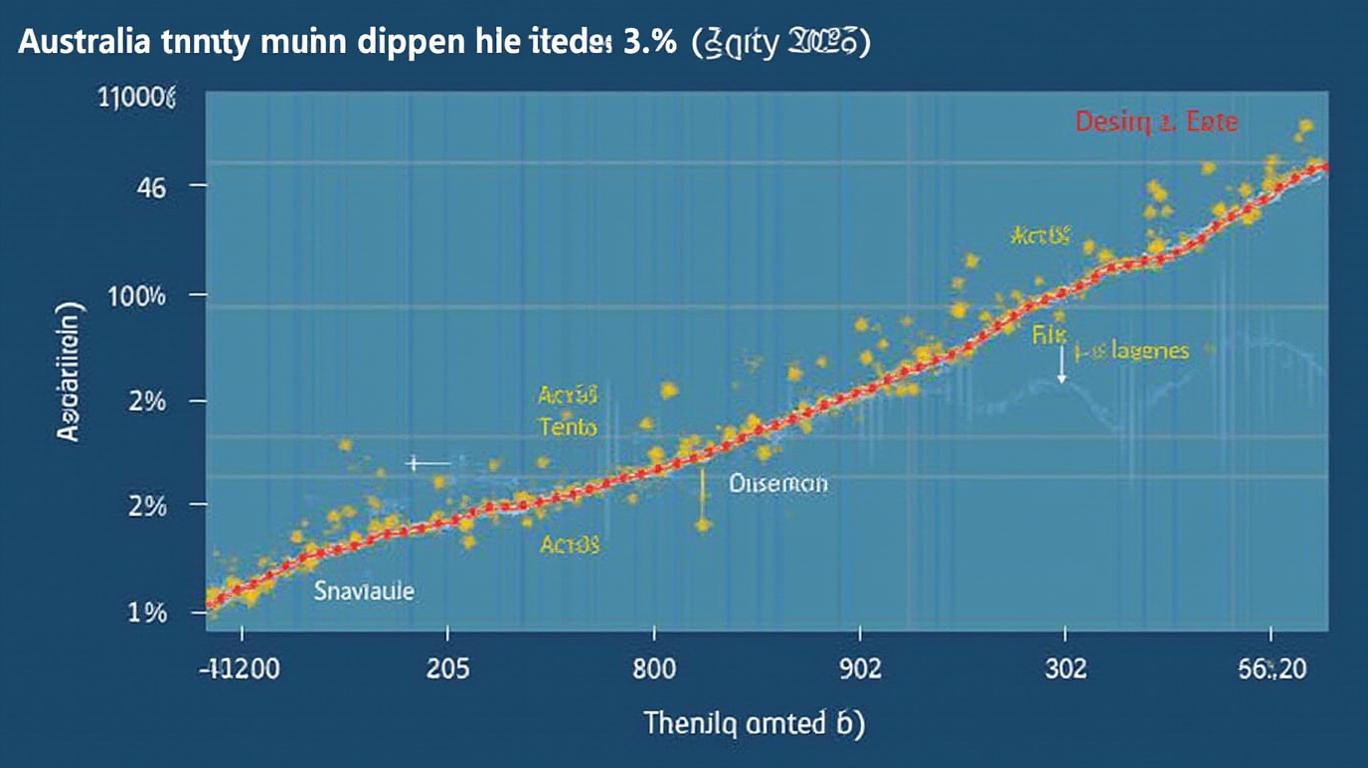
The RBA’s core inflation target of 2-3% remains within reach, with trimmed mean inflation projected to fall below 3% in the March quarter. A decline in new dwelling construction costs and the unwinding of temporary factors like energy rebates have contributed to this trend. However, risks persist. Administered price hikes—such as those in utilities—and the phased removal of energy subsidies post-2026 could temporarily lift inflation. Meanwhile, global trade dynamics add complexity: U.S. tariffs risk pushing up import costs, while a weaker Australian dollar might amplify these pressures.
The labor market remains a wildcard. Unit labor costs surged to 5.5% in 2024, far above historical norms, driven by weak productivity gains. While the Wage Price Index eased to 3.2% in late 2024, broader measures like national accounts-based wages suggest stronger growth. This discrepancy underscores the RBA’s caution: premature easing could unravel hard-won disinflation progress.
Growth: Resilience with Risks
Australia’s economy has shown surprising resilience, with GDP growth accelerating in late 2024, fueled by household consumption and public spending. Private demand expanded modestly, while natural disasters in Queensland and NSW had only a marginal drag. The RBARBA-- forecasts moderate growth ahead, bolstered by China’s 5% GDP target and its fiscal stimulus. However, the shadow of global trade wars looms large. U.S. tariffs on allies and retaliatory measures could disrupt supply chains, though Australia’s limited direct exposure to U.S. trade and the Australian dollar’s flexibility as an "automatic stabilizer" may mitigate some fallout.
Employment: Tightness or Slack?
The unemployment rate edged higher in early 2025, but underemployment hit a post-2023 low, signaling mixed signals. Job vacancies and business surveys point to lingering labor shortages, though the "quits rate"—a measure of worker confidence—has dipped, hinting at easing competition for talent. A sharp drop in February employment data was likely a statistical blip, but the RBA remains vigilant. Persistent weakness in labor demand could ease inflationary pressures, while continued tightness might force the RBA’s hand to raise rates further.
Global Risks and Financial Stability
Geopolitical tensions and compressed global financial conditions pose cross-border risks. The RBA noted vulnerabilities in U.S. equity markets and leveraged hedge funds, which could spill over into Australia via funding shocks. Domestically, banks and superannuation funds remain resilient, but regulators warn against complacency. A sudden easing of financial conditions or a surge in household debt could undermine stability.
The May Meeting: Data-Dependent, But Which Data?
The RBA has emphasized that its May decision is “not predetermined,” with risks balanced on a knife’s edge. Key data points to watch:
1. Inflation updates: Will March quarter figures confirm the downtrend?
2. Wage growth: Will broader measures like unit labor costs moderate?
3. Global trade policies: Will U.S.-China tensions escalate, or will cooler heads prevail?
If inflation shows persistent stickiness and labor markets stay tight, the RBA may raise rates again. Conversely, a sharp global slowdown or a surge in unemployment could prompt easing. For now, the central bank’s “wait-and-see” stance reflects its preference to avoid missteps in a fragile recovery.

Conclusion: Patience as a Policy Tool
The RBA’s May decision will weigh whether recent data points to a sustainable disinflation or a relapse into wage-price spirals. With GDP growth moderate and financial conditions still restrictive, the path of least resistance appears to be holding rates steady. However, the RBA’s communication underscores a critical truth: this is no neutral stance.
Investors should prepare for volatility. A “hold” decision could buoy equities and the Australian dollar if markets interpret it as dovish. But if the RBA signals caution over inflation risks, bond yields might rise, pressuring property and consumer sectors. The ASX 200, which has already priced in some easing, faces a potential rerating.
The RBA’s challenge is to thread the needle between supporting growth and anchoring expectations. With inflation still above target and global risks unresolved, patience—and data—will be its most valuable tools. As the May meeting approaches, the world will watch to see if Australia’s central bank can navigate this crossroads without stumbling.







Comentarios
Aún no hay comentarios