
Ray Dalio's New Gig: Advising Indonesia's $900 Billion Fund
Generado por agente de IAHarrison Brooks
martes, 25 de marzo de 2025, 2:08 pm ET2 min de lectura
In the world of finance, few names carry as much weight as Ray Dalio. The billionaire investor and founder of BridgewaterBWB-- Associates has built a reputation on his unique investment philosophy and principles, which have guided him through decades of market volatility. Now, Dalio is set to take on a new challenge: advising Indonesia's newly launched sovereign wealth fund, Daya Anagata Nusantara, or Danantara, which aims to manage over $900 billion in assets. This move is not just a testament to Dalio's expertise but also a significant step for Indonesia as it seeks to boost its economic growth to 8%.
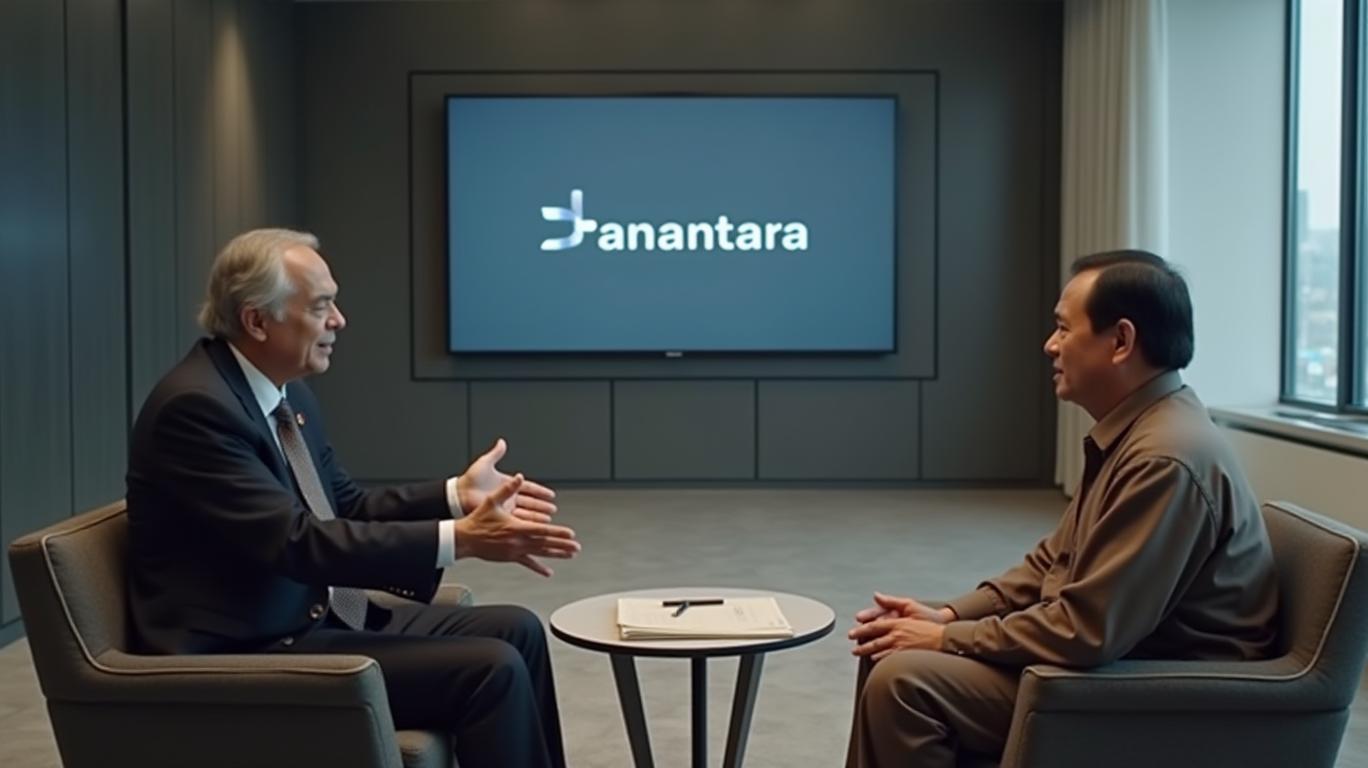
Danantara, launched on February 24, 2025, is modeled partly on Singapore's investment arm Temasek and aims to invest in a range of sectors including renewable energy, advanced manufacturing, downstream industries, and food production. The fund's ambitious goal is to achieve an 8% economic growth target, a significant leap from the current 5%. This is where Dalio's expertise comes into play. His macroeconomic investment philosophy, which emphasizes understanding the economic machine and debt cycles, aligns perfectly with Danantara's strategic goals.
Dalio's approach to investing is deeply rooted in his understanding of how the economy works. He breaks down the economic cycle into three main phases: inflationary, disinflationary, and deflationary. This aligns with Danantara's goal to invest in sustainable, high-impact projects across various sectors. Dalio's deep understanding of the global economy allowed him to correctly predict Mexico’s 1980s financial crisis when most others did not, showing he could spot risks and opportunities that many missed. This expertise to see the big picture played a key role in Dalio building his $17 billion personal fortune. Similarly, Danantara aims to invest in projects that will contribute to achieving an 8% economic growth target, which requires a keen understanding of macroeconomic trends and the ability to identify high-impact investment opportunities.
One of the key sectors that could benefit from Dalio's insights is renewable energy. By understanding debt cycles and economic trends, Danantara can time its investments in renewable energy projects more effectively. For instance, during periods of low-interest rates, investing in renewable energy infrastructure can be more cost-effective. Dalio's principles emphasize the importance of understanding the economic cycle, which can guide Danantara in allocating funds to renewable energy projects during favorable economic conditions. This can contribute to Indonesia's goal of sustainable development and energy independence.
Another sector that could benefit from Dalio's insights is advanced manufacturing. By understanding the economic machine and debt cycles, Danantara can invest in manufacturing projects that are less sensitive to economic downturns. For example, during periods of economic expansion, investing in high-tech manufacturing can drive innovation and create jobs, contributing to Indonesia's economic growth. Dalio's approach to diversification can also help in managing risks associated with manufacturing investments, ensuring that the portfolio remains resilient during economic fluctuations.
Downstream industries, such as oil refineries and petrochemical plants, are critical for Indonesia's economic development. Dalio's principles on debt cycles can help in identifying the right time to invest in these industries. For instance, during periods of low debt levels, investing in downstream industries can be more feasible and less risky. This can help in reducing Indonesia's reliance on raw commodity exports and developing value-added industries, aligning with the country's economic growth targets.
Food production is another sector that can benefit from Dalio's insights into economic trends. By understanding the economic cycle, Danantara can invest in food production projects that are less affected by economic downturns. For example, investing in agricultural infrastructure and technology can ensure food security and create jobs, contributing to Indonesia's economic growth. Dalio's principles on diversification can also help in managing risks associated with food production investments, ensuring that the portfolio remains resilient during economic fluctuations.
In summary, Danantara's investments in renewable energy, advanced manufacturing, downstream industries, and food production can significantly benefit from Ray Dalio's insights into debt cycles and economic trends. These investments can contribute to Indonesia's economic growth targets by driving innovation, creating jobs, and ensuring sustainable development. As Danantara navigates the complexities of managing a $900 billion fund, Dalio's expertise will be invaluable in helping the fund achieve its ambitious goals and contribute to Indonesia's economic prosperity.



Divulgación editorial y transparencia de la IA: Ainvest News utiliza tecnología avanzada de Modelos de Lenguaje Largo (LLM) para sintetizar y analizar datos de mercado en tiempo real. Para garantizar los más altos estándares de integridad, cada artículo se somete a un riguroso proceso de verificación con participación humana.
Mientras la IA asiste en el procesamiento de datos y la redacción inicial, un miembro editorial profesional de Ainvest revisa, verifica y aprueba de forma independiente todo el contenido para garantizar su precisión y cumplimiento con los estándares editoriales de Ainvest Fintech Inc. Esta supervisión humana está diseñada para mitigar las alucinaciones de la IA y garantizar el contexto financiero.
Advertencia sobre inversiones: Este contenido se proporciona únicamente con fines informativos y no constituye asesoramiento profesional de inversión, legal o financiero. Los mercados conllevan riesgos inherentes. Se recomienda a los usuarios que realicen una investigación independiente o consulten a un asesor financiero certificado antes de tomar cualquier decisión. Ainvest Fintech Inc. se exime de toda responsabilidad por las acciones tomadas con base en esta información. ¿Encontró un error? Reportar un problema


SOBRE NOSOTROS
Nuestra historiaAutores de noticiasBase de conocimientosPolítica de privacidadTérmino de usoDescargo de responsabilidad de corretaje de tercerosTérminos de uso de AIMEDivulgaciones de riesgos de AInvest AICarrerasCONTÁCTENOS
Email: support@ainvest.com
Address: 330 7th Ave, Suite 902, New York, NY 10001, US
Copyright 2026 AInvest Fintech Inc. All rights reserved.


Comentarios
Aún no hay comentarios