
Re-Rating Potential in Cyclical Sectors: A Case for Selective Optimism in 2025
The U.S. economy's recent trajectory has sparked renewed interest in cyclical sectors, as improving GDP and employment trends suggest a potential re-rating of equities tied to economic expansion. While the broader macroeconomic backdrop remains cautiously optimistic, selective opportunities emerge in sectors poised to benefit from structural shifts and earnings revisions.
Macroeconomic Catalysts: GDP and Employment Trends
The U.S. economy rebounded sharply in Q2 2025, with real GDP growing at a 3.3% annual rate, driven by robust consumer spending and declining imports[1]. This follows a 0.5% contraction in Q1, underscoring the resilience of domestic demand. Corporate profits surged by $65.5 billion in Q2, reversing a Q1 decline and signaling stronger cash flows for firms in sectors tied to consumption and manufacturing[1].
Employment data, however, tells a mixed story. While the unemployment rate is projected to average 4.2% in 2025[1], job growth has diverged sharply across sectors. Health care and government jobs have driven most employment gains, with monthly additions averaging 234,000 since 2024[1]. In contrast, cyclical sectors like manufacturing and construction have seen slower hiring, reflecting lingering headwinds from high interest rates and trade policy uncertainty[1].
Sector Valuations and Earnings Revisions
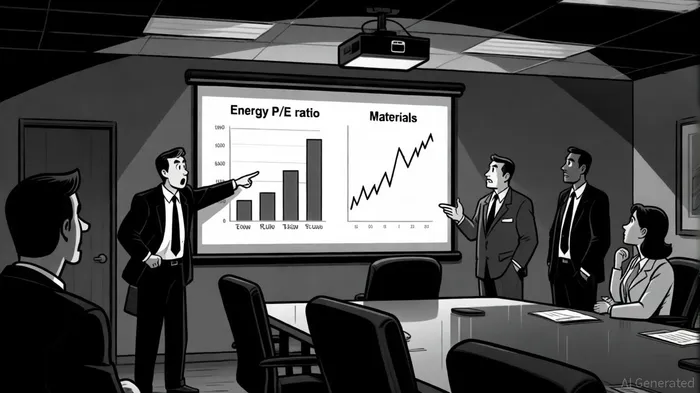
Cyclical sectors exhibit divergent valuations and growth prospects. The Industrials sector, with a P/E ratio of 27.91, is expected to see earnings growth accelerate to +16% in 2025, up from +3% in 2024[4]. This re-rating is fueled by reshoring of supply chains, aging infrastructure (e.g., a 20-year-old U.S. air fleet driving maintenance demand[3]), and potential policy tailwinds. Similarly, Energy—trading at a low P/E of 15.03—benefits from sustained high oil prices and a 400-basis-point earnings growth surge since early 2024[4], making it a compelling value play.
In contrast, the Materials sector faces challenges. Despite a P/E of 24.80, earnings have declined since mid-2022 due to slowing industrial demand[5], and its 25.47 P/E as of September 2025 is considered overvalued relative to its 5-year average[1]. Consumer Discretionary, with a P/E of 29.21, reflects robust growth expectations but faces the risk of flattening earnings as interest rates remain elevated[4].
Structural Risks and Opportunities
While the re-rating potential in Industrials and Energy is compelling, risks persist. Sustained tariffs and geopolitical tensions could disrupt supply chains, dampening industrial demand[1]. For Energy, regulatory shifts toward clean energy may pressure long-term valuations, though near-term oil prices remain supportive[4].
Investors should also consider the broader demographic headwinds. The Bureau of Labor Statistics projects average annual GDP growth of 1.8% from 2024 to 2034, constrained by an aging population and declining labor force participation[2]. This suggests that highly cyclical sectors reliant on rapid expansion may struggle to sustain re-ratings over the long term.
Conclusion: A Selective Approach
The improving GDP and employment trends in 2025 create a favorable environment for cyclical sectors with strong earnings revisions and structural tailwinds. Industrials and Energy stand out as the most compelling candidates, supported by reshoring, infrastructure needs, and energy market dynamics. However, Materials and Consumer Discretionary require caution due to overvaluation and earnings stagnation.
As Schwab's 2025 sector outlook notes, a “Marketperform” rating remains prudent for most sectors[1], but selective exposure to Industrials and Energy could yield outsized returns in a cautiously optimistic macroeconomic climate.







Comentarios
Aún no hay comentarios