
The Re-rating of Iron Ore Miners: How China's Steel Overcapacity Crackdown Presents a Strategic Entry Point
China's steel industry is undergoing a seismic shift as regulators crack down on overcapacity, a move with profound implications for global iron ore markets. By 2026, Beijing's production cuts—estimated at 15–50 million tons—aim to restore equilibrium in a sector plagued by excess supply and weak demand[1]. While this policy has already triggered a 2.67% drop in iron ore futures in September 2025[4], the long-term re-rating of iron ore miners may present a compelling investment opportunity.
Regulatory-Driven Supply Shifts: A Double-Edged Sword
China's steel output has contracted for nine consecutive months, reaching 77.37 million tons in August 2025—a nine-month low[4]. Yet, iron ore imports surged to 105.23 million tons in the same period, defying weak domestic production. This paradox reflects a market betting on future demand recovery, fueled by government stimulus for construction and infrastructure. However, structural challenges—such as a property sector crisis and environmental regulations—threaten to undermine these hopes.
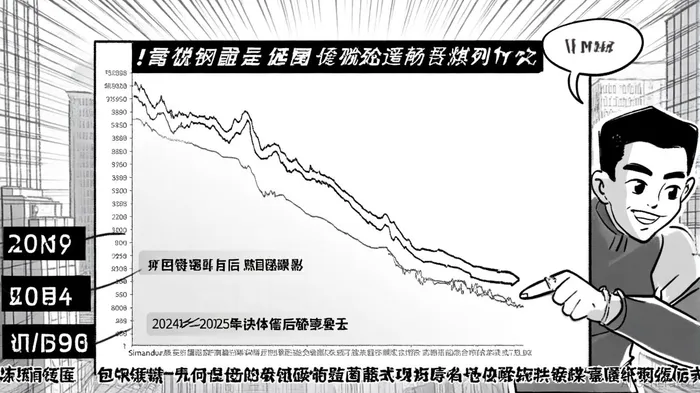
The regulatory environment is a key wildcard. While Beijing's overcapacity crackdown has temporarily supported iron ore prices (peaking at $105.50/ton in late August 2025[1]), the broader economic slowdown is eroding demand. Steel inventories are rising, and narrowing profit margins are forcing producers to curtail raw material procurement[5]. Analysts project prices to fall to $76/ton by 2026 as oversupply pressures intensify[3].
Valuation Metrics: Undervalued Giants in a Cyclical Sector
Major iron ore miners are trading at historically attractive valuations, offering a buffer against near-term volatility. Rio Tinto (RIO), for instance, sports a forward P/E of 11.8 and an EV/EBITDA of 9.1x, supported by $34.6 billion in LTM EBITDA and a 5.2% dividend yield[4]. BHP (BHP) is even more compelling, with a trailing P/E of 15.11 and a forward P/E of 13.52, alongside a robust ROE of 21.99%[2]. Vale (VALE), despite a high debt/EBITDA ratio of 0.8x, offers a 8.5% dividend yield and a P/E of 4.8x, reflecting undervaluation amid market pessimism[5].
These metrics suggest that miners are priced for continued weakness, even as structural tailwinds emerge. Decarbonization efforts, for example, are reshaping demand dynamics. The global shift toward electric arc furnaces and hydrogen-based steelmaking will favor high-grade iron ore, a niche where Rio TintoRIO-- and BHP's Australian operations hold a dominant 56% market share[3].
Strategic Entry Point: Navigating the Re-rating
The re-rating of iron ore miners hinges on three factors:
1. Regulatory Clarity: China's success in balancing production cuts with demand-side stimulus will determine the sector's trajectory. A 15% target for electric arc furnace steel production by 2025 could reduce reliance on iron ore but increase demand for premium-grade ore[4].
2. Supply Constraints: Political risks at Guinea's Simandou mine—a project expected to add 120 million tons annually by 2026—introduce uncertainty. Delays or permit revocations could temporarily prop up prices, creating a buying window[2].
3. Decarbonization Premium: As cleaner technologies gain traction, high-grade ore (which requires less processing) will command a premium. This aligns with Australia's green steel initiatives and positions miners like RioRIO-- Tinto to capture long-term value[3].
Conclusion: Balancing Short-Term Pain with Long-Term Gain
China's steel overcapacity crackdown is a disruptive force, but it also creates a strategic entry point for investors. While near-term price declines are likely, the sector's structural rebalancing—driven by decarbonization and supply constraints—offers a path to re-rating. For miners with strong balance sheets and high-grade assets, the current valuation discount represents a compelling opportunity to capitalize on a cyclical rebound and long-term industry transformation.





Comentarios
Aún no hay comentarios