
Rate Cut Expectations Plummet After Hot January CPI Report: What It Means for Markets
The January Consumer Price Index (CPI) report delivered an unwelcome surprise for investors and policymakers alike, showing inflation pressures that remain stubbornly high. The report revealed that Core CPI rose 0.446 percent month-over-month, nearly double the previous reading of 0.225 percent. This hotter-than-expected inflation print has sent shockwaves through financial markets, significantly altering the trajectory of expected Federal Reserve rate cuts for 2025.
As a result, the probability of a near-term rate cut has collapsed, with only one rate cut now fully priced in for the year, compared to two or more anticipated just a week ago. With inflation remaining sticky and the Fed signaling caution, the broader financial landscape—including equities, bonds, and foreign exchange markets—faces renewed volatility.
The Evolution of Rate Cut Expectations
Leading into the January CPI report, markets were optimistic about multiple rate cuts in 2025, pricing in as many as three or four by year-end. However, the data has now pushed those expectations back significantly:
- March meeting: Virtually no chance of a rate cut (2.5 percent probability, down from 17.0 percent last week)
- May meeting: A 13.9 percent chance of a rate cut (down from 41.3 percent last week)
- June meeting: A 36.2 percent chance of a cut (down from 65.9 percent last week)
- July meeting: A 45.4 percent chance (down from 74.4 percent last week)
- September meeting: A 59.0 percent chance, the first meeting where a cut is currently considered more likely than not
- October meeting: A 23.9 percent chance of an additional cut (down from 52.6 percent)
- December meeting: A 32.7 percent chance of a second cut (down from 61.2 percent)
Clearly, the Federal Reserve is now expected to stay on hold longer than anticipated, with a single cut in September looking like the most probable scenario. Even that remains uncertain, as the Fed may ultimately delay easing until 2026 if inflation remains persistent.
Why Has the Fed's Rate Path Changed?
Several factors explain why markets have adjusted their expectations so dramatically in the wake of the January CPI data:
1. Inflation Remains Too Hot
The biggest driver of the shift is that core inflation remains well above the Fed's 2 percent target. The month-over-month increase of 0.446 percent translates to an annualized inflation rate of over 5 percent, which is far too high for the Fed to justify cutting rates. This reading suggests that the so-called "last mile" of disinflation remains a challenge and that inflationary pressures have not yet been fully tamed.
2. The Fed's Cautious Tone
Fed officials, including Chair Jerome Powell, have consistently signaled that they are in no rush to cut rates. Powell has repeatedly emphasized that the central bank will only lower borrowing costs once it has "greater confidence" that inflation is on a sustainable path toward 2 percent. The January CPI report does not support that confidence and instead suggests that inflation remains resilient.
3. Rising Risks from Fiscal and Trade Policy
In addition to inflation concerns, fiscal and trade policies are adding to the Fed's dilemma. With President Trump pushing for new reciprocal tariffs, supply-chain inflationary pressures could resurface in the coming months. Higher import costs would complicate the Fed's efforts to bring inflation down, potentially forcing policymakers to keep rates higher for longer.
Additionally, persistent government deficits and robust consumer spending have helped keep economic growth strong, which reduces the Fed's urgency to cut rates.
4. Resilient Labor Market
The labor market remains tight, with low unemployment and strong wage growth continuing to support consumer spending. While some companies, particularly in tech, are trimming their workforces, broader employment data suggests that the economy is not facing a major slowdown. This resilience allows the Fed to maintain a restrictive stance without immediate fear of recession.
Market Reactions to the New Rate Outlook
The sharp repricing of rate expectations has already rippled across asset classes, with significant implications for stocks, bonds, and currencies.
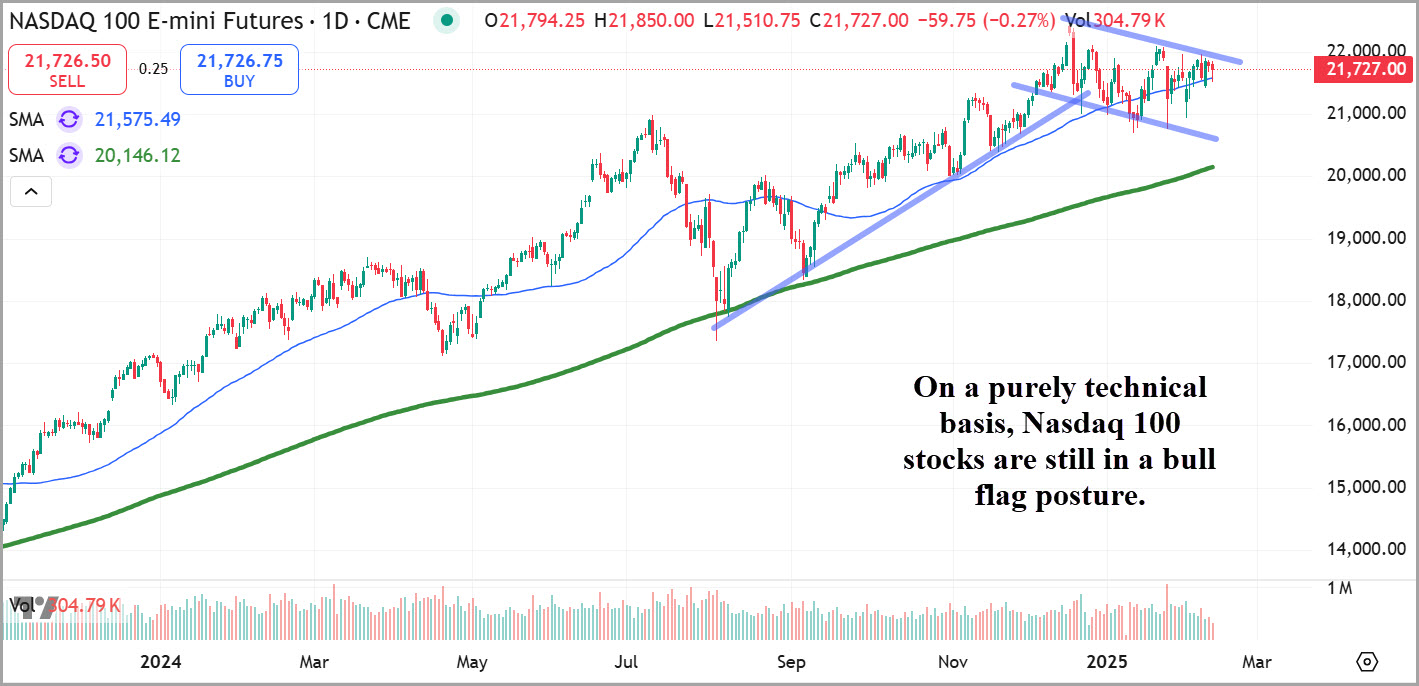
Equities: Growth Stocks Under Pressure
The tech-heavy Nasdaq Composite has faced renewed selling pressure as higher-for-longer interest rates weigh on growth stocks. Companies with high valuations and long-duration cash flows, such as those in the artificial intelligence and semiconductor sectors, have been particularly vulnerable. If the Fed keeps rates elevated for longer than expected, investors may continue rotating into value-oriented sectors like energy and financials.
Bonds: Yields Pushing Higher
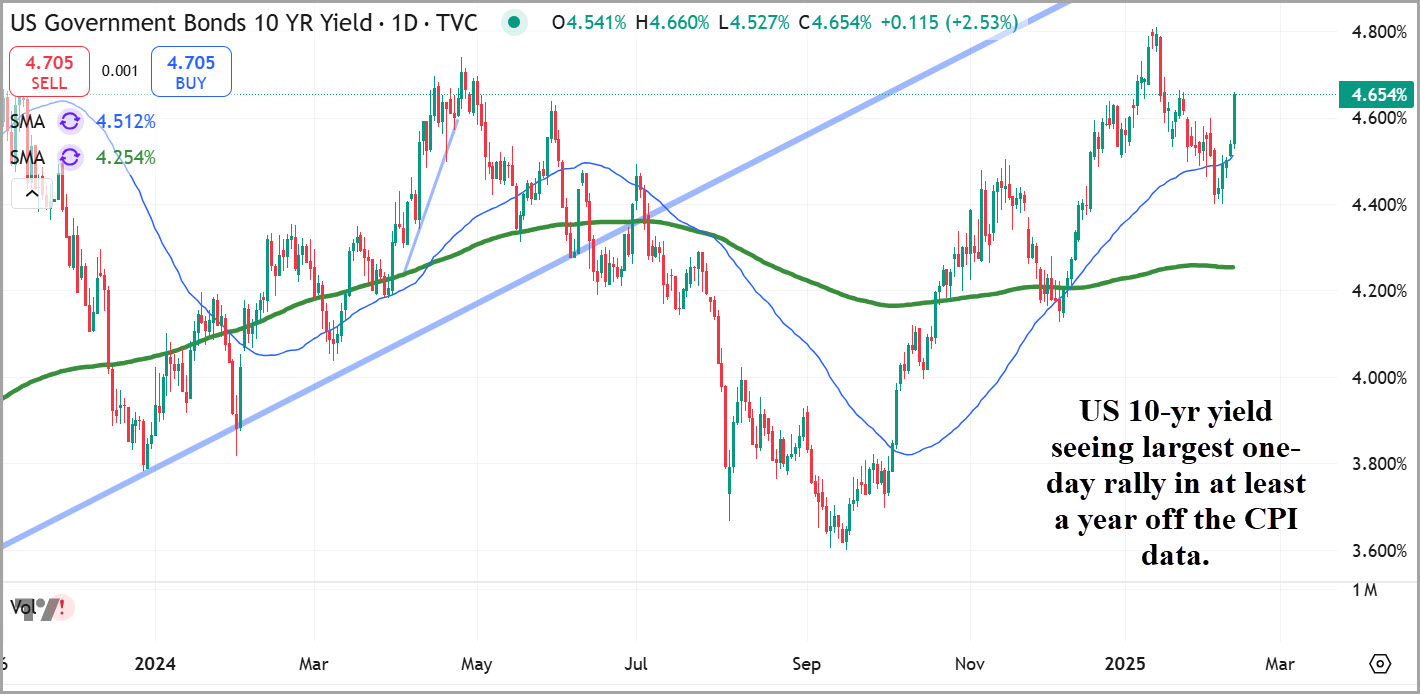
Treasury yields have surged following the CPI release, with the 10-year yield climbing toward 4.54 percent as traders unwind bets on aggressive rate cuts. The 2-year yield, which is highly sensitive to Fed policy expectations, has also moved higher, signaling that markets believe the Fed may delay easing well into 2026.
U.S. Dollar: Strengthening Against Major Currencies
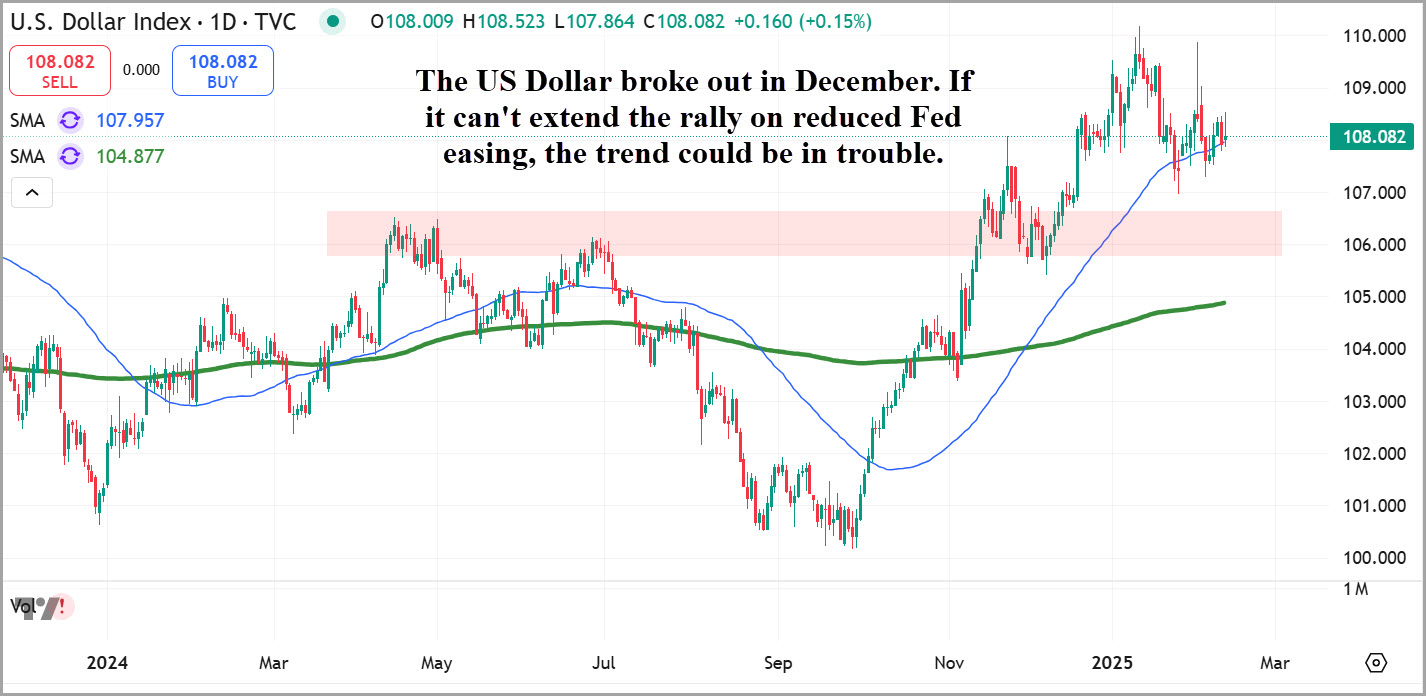
The U.S. dollar has strengthened as investors recalibrate their expectations. With the Fed now expected to remain restrictive, the dollar is regaining ground against the euro, pound, and yen. A stronger dollar could pose additional challenges for multinational corporations and emerging markets, as it increases the cost of servicing dollar-denominated debt.
Gold: Rally Stalls Amid Rate Concerns
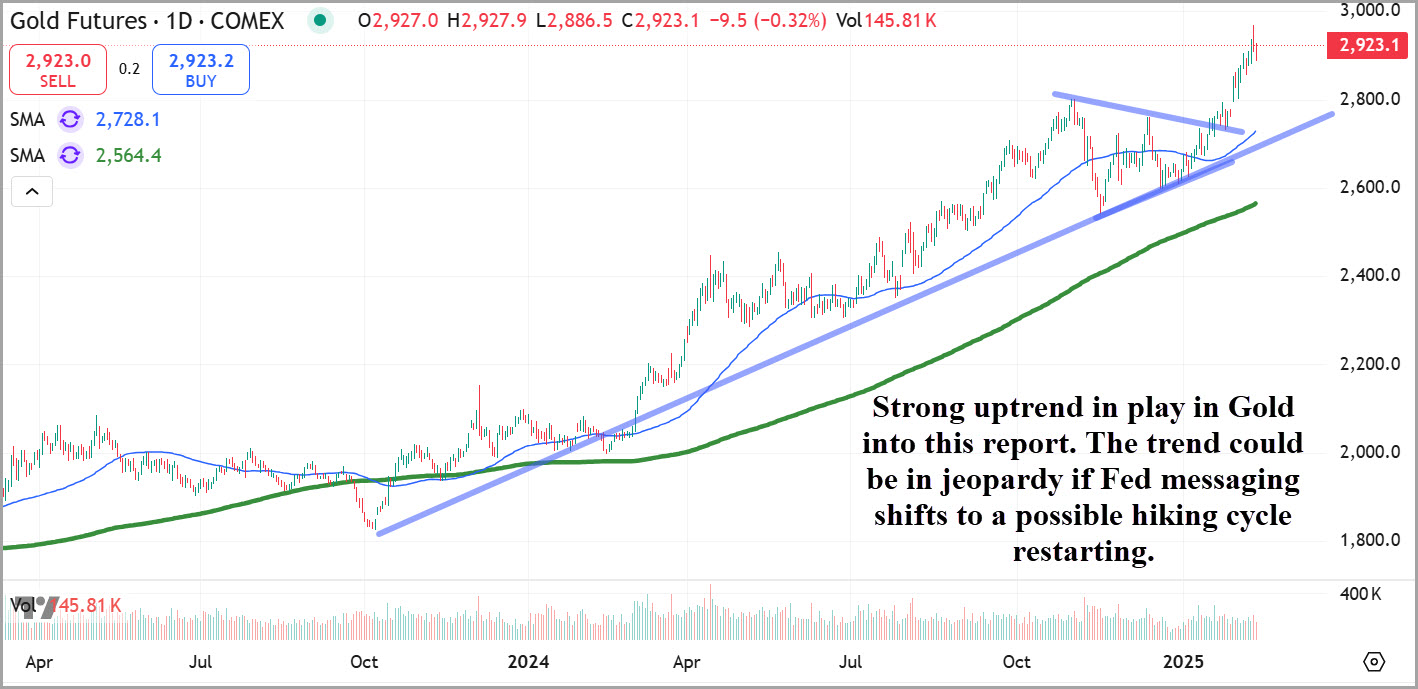
Gold prices have pulled back slightly after a strong rally, as higher interest rates make non-yielding assets less attractive. However, given ongoing geopolitical risks and uncertainty around global trade policies, gold could still find support as a safe-haven asset.
Looking Ahead: What Could Change the Fed's Course?
While markets are now expecting only one rate cut in 2025, several key factors could still shift the outlook in either direction:
- Another Hot Inflation Print: If the next CPI reports show continued inflationary pressures, even the September rate cut could come off the table, pushing expectations into 2026.
- A Slowdown in the Labor Market: If unemployment begins rising more sharply than expected, the Fed may pivot to an earlier rate cut, even if inflation remains slightly above target.
- Geopolitical or Financial Market Stress: If geopolitical events (such as escalating tensions in the Middle East or financial instability in China) create new economic shocks, the Fed could be forced to adjust policy more quickly.
- Trump's Trade Policies: If new tariffs spark a fresh wave of cost-push inflation, the Fed could become even more cautious about cutting rates, further delaying monetary easing.
Conclusion: The Fed Holds the Cards, But Inflation Holds the Power
The January CPI report has fundamentally reshaped expectations for monetary policy in 2025. With inflation still running hot and rate cuts now largely off the table until at least September, investors will need to adjust their strategies to navigate a higher-for-longer rate environment.
While some sectors like financials and energy may benefit from elevated rates, growth stocks, bonds, and rate-sensitive assets could continue to struggle. Ultimately, the Fed remains data-dependent, and every economic report in the coming months will be scrutinized for signs that inflation is cooling enough to justify easing policy.
For now, the message is clear: Rate cuts are not coming anytime soon, and markets must brace for a prolonged period of tight monetary policy.

Unlock Market-Moving Insights.
Subscribe to PRO Articles.
Already have an account? Sign in
Unlock Market-Moving Insights.
Subscribe to PRO Articles.
Already have an account? Sign in






