
Ram's HEMI V-8 Revival: A Masterclass in Strategic Agility and Customer-Centric Truck Leadership
The truck market is undergoing a seismic shift toward electrification, with rivals like FordFORD-- and Chevrolet accelerating their EV transitions. Yet Ram, the American icon owned by Stellantis, has just pulled off a bold move that defies the trend: the reintroduction of its beloved 5.7L HEMI V-8 engine in the 2026 Ram 1500. This decision, driven by raw customer demand and a lightning-fast pivot from Stellantis leadership, could redefine the battle for market share in the pickup segment—and offer critical insights for investors weighing the automaker's future.
The Rapid Reverse: Customer Demand as a Strategic Lever
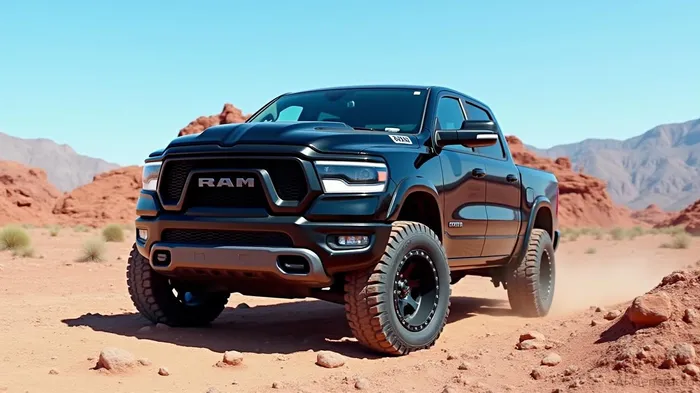
When Ram dropped the HEMI V-8 for the 2025 model year, it sparked outrage among truck enthusiasts. The backlash was so fierce that Stellantis executives swung into action, retooling production in just six months—a process that typically takes 18—to bring the engine back. The result is a 395-horsepower V-8 with 48-volt eTorque hybrid tech, delivering instant torque boosts and improved fuel efficiency. This isn't just about engines; it's a masterclass in customer sentiment leverage. By prioritizing what buyers actually want, Ram has positioned itself as the defender of traditional truck values in an era of EV-driven change.
The “Symbol of Protest” badge—a cheeky nod to its anti-electrification stance—serves as both a branding coup and a marketing signal. It tells customers: We hear you, and we're fighting for you. This kind of loyalty-building strategy has long been a hallmark of brands like Harley-Davidson, but in the truck market, it's a rarity. Ford and Chevrolet, by contrast, are doubling down on EVs like the F-150 Lightning and Silverado EV, risking alienation of traditionalists.
Hybrid Tech as a Compromise—Not a Sacrifice
The eTorque system is a clever middle ground. It adds 130 lb.-ft. of initial torque via a 48-volt battery and motor generator, improving responsiveness and fuel efficiency without forcing buyers into a full EV. This “better V-8” approach avoids the compromises of electrification (range anxiety, higher costs) while still delivering modern performance. For Stellantis, this allows it to cater to two audiences: the classic truck loyalists and the efficiency-conscious buyers who want some hybrid benefits.
The numbers back this up: the HEMI's towing capacity of 11,470 pounds and payload of 1,750 pounds rival its competitors' gas engines, while the eTorque system improves fuel economy by up to 10%. This isn't just about nostalgia—it's about practicality.
Why This Matters for Stellantis's EV Transition—and Investors
Stellantis, which has been criticized for its slower EV rollout compared to peers, now faces a paradox: its success with the HEMI V-8 could both bolster near-term profits and complicate its EV ambitions. The HEMI's projected 25–40% of 2026 Ram 1500 sales suggests strong demand for traditional engines, which may slow consumer migration to its EVs like the Ram Revolution. However, this move also buys the company time to refine its electric offerings and maintain its core customer base.
Investors should watch two things:
1. Market Share Dynamics: Can Ram's hybrid-V8 strategy defend its pickup sales against rivals like the F-150 and Silverado, while competitors divert resources to EVs?
2. Stellantis's EV Execution: The automaker's broader transition hinges on whether its electric trucks can match the HEMI's appeal in the long term.
The Takeaway for Investors
Ram's HEMI revival is a brilliant example of how listening to customers can create a competitive moat. By reintroducing the V-8 with modern hybrid tech, Stellantis is hedging against the EV wave while capitalizing on brand loyalty. For investors, this signals a company willing to course-correct swiftly—a rare trait in the slow-moving auto industry.
While Stellantis still faces challenges in scaling EVs, the HEMI's success provides a near-term tailwind. Buy STLA if you believe the company can balance nostalgia-driven sales with a credible EV future. But keep an eye on competitors: Ford and GM could retaliate with their own hybrid/V8 hybrids, or accelerate EV adoption to outflank Ram. The truck wars just got more interesting—and more profitable for those who bet on customer choice.







Comentarios
Aún no hay comentarios