
Race Against the Clock: Navigating Recessions, Tariffs, and Investment Timing
The global economy in 2025 stands at a precarious crossroads. Recessions loom as a secondary risk, tariffs escalate into a full-blown trade war, and investors face the relentless pressure of time to make decisions that could define portfolio outcomes for years. Let’s dissect the three critical factors shaping the investment landscape today.
1. The Recession Question: Is It Coming, and When?
The S&P Global Ratings’ 25% probability of a U.S. recession within 12 months contrasts sharply with Goldman Sachs’ withdrawal of its recession forecast. While optimists point to resilient job markets—228,000 jobs added in March 2025 and unemployment at 4.2%—pessimists highlight collapsing consumer confidence. The University of Michigan’s April survey showed record-high concerns about unemployment, a harbinger of past recessions.
The key is recognizing that the economy is in a fragile equilibrium. If the Q1 2025 GDP (projected at 0.4% annualized) confirms a slowdown, the door to recession opens wider. Investors must weigh these risks against sectors like utilities or healthcare, which historically weather downturns better than cyclicals like autos or tech.
2. The Tariff Tsunami: How Protectionism is Rewriting the Rules
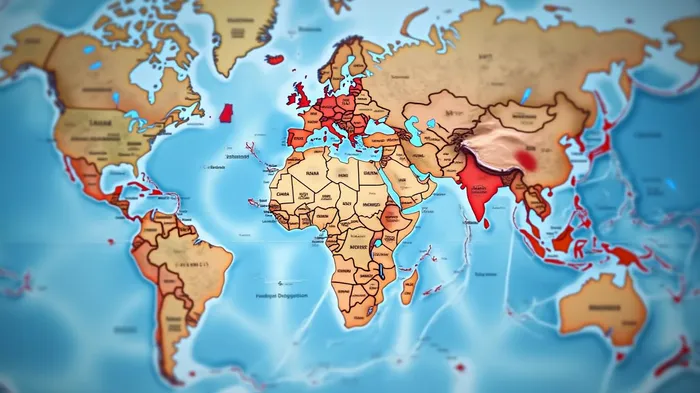
The U.S. has imposed a 10% baseline tariff on all imports, with China-specific levies reaching 145%, while allies like Canada face 25% auto tariffs. Retaliatory measures—China’s 125% tariffs on U.S. goods and India’s hikes on pharmaceuticals—have sparked a global trade reshuffle.
The automotive sector is ground zero. Analysts warn tariffs could add $4,000–$10,000 to U.S. car prices, hitting companies like Ford and GM. Meanwhile, solar energy projects face 15% cost increases due to Chinese tariff hikes, delaying renewable targets by 18–24 months.
Investors should favor firms with diversified supply chains or those benefiting from geopolitical shifts. For example, Canadian solar manufacturers like Canadian Solar (CSIQ) have seen a 30% surge in U.S. inquiries as firms seek alternatives to Chinese panels.
3. Time: The Critical Variable in This Equation
The 90-day tariff pause for non-China imports buys time for negotiations, but the clock is ticking. By July 2025, if no deals are struck, higher tariffs could trigger a sharper slowdown.
Investors must consider time horizons:
- Short-term (0–6 months): Focus on defensive plays like utilities or dividend stocks.
- Medium-term (6–12 months): Look for sectors poised to rebound post-tariff resolution, such as semiconductors or automotive.
- Long-term (1+ years): Prioritize industries with structural tailwinds, like renewables or healthcare.
The Federal Reserve’s “wait-and-see” stance—with rates held at 4.25%–4.50%—adds to uncertainty. If inflation stays muted, rate cuts could stabilize markets, but delays risk amplifying recession fears.
Conclusion: Positioning for Volatility and Resilience
The data paints a clear picture: investors must prepare for volatility but avoid panic. Key takeaways:
1. Recession Risk: While unlikely in the near term, the 45% WSJ survey probability demands caution. Monitor Q1 GDP and jobless claims closely.
2. Tariff Impact: Sectors exposed to trade wars (autos, tech) face headwinds, while diversified or domestic players (Canadian Solar, U.S. defense contractors) offer shelter.
3. Timing: The July 2025 tariff deadline is a critical inflection point. Investors should rebalance portfolios by mid-year to align with emerging trends.
The S&P’s global growth downgrade to 2.8% underscores the need for caution. Allocate to defensive assets now, but keep a watchlist for cyclical opportunities if trade tensions ease. As history shows, those who navigate the crosscurrents of recession risks, tariffs, and timing will emerge stronger when clarity returns.
Stay vigilant, stay diversified, and never underestimate the power of time in this high-stakes game.





Comentarios
Aún no hay comentarios